
A driver pairs a phone with a car, saves the way home and stops for groceries. Later, a glance at the manufacturer’s app shows where the car is parked. None of that feels like handing over a travel diary. Yet between the dashboard, the phone and the app, the trip may have left several records in different places.

The car is also paying attention to things the driver may never see, such as how the engine was running when a warning appeared. Depending on the model and the services in use, some readings are used on the spot, some are saved for a mechanic and some may be sent to a company outside the car.
There’s no single figure for how much data a car collects. The more useful question is what happens to each piece of information once the car has it.
A car can measure something without keeping a record of it
A reading can have a job that lasts a fraction of a second. Wheel speed, for example, can help the braking system respond to what is happening on the road. The fact that a system uses a reading doesn’t mean the car preserves it as part of a trip history or sends it anywhere.
Other information can stay in the car long after the ignition is off. A paired phone may leave a list of contacts or recent calls, depending on the permissions granted. The navigation system may retain recent destinations or whatever address the driver saved as home.
The European Data Protection Board recommends processing personal data inside the car where possible. That distinction matters: a destination stored in the dashboard presents a different privacy question from a record of every journey kept on a company’s servers.
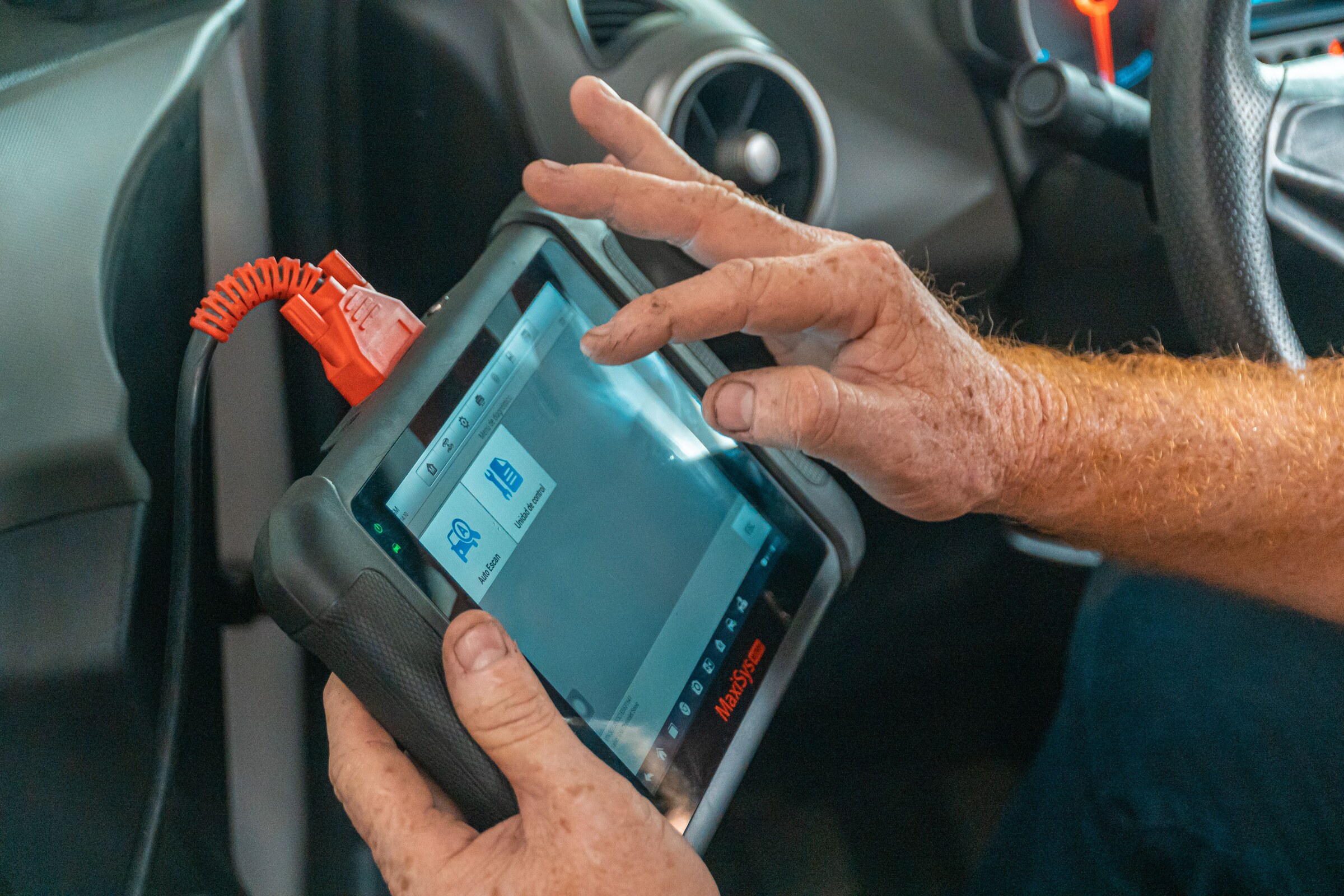
Fault codes give mechanics a snapshot of what went wrong
A warning light may go out before a car reaches the workshop. The technician may still be able to retrieve a fault code and a snapshot of engine conditions from the moment the problem was detected. That can give the garage something to investigate when a short test drive fails to reproduce the fault.
The record helps narrow the search. It cannot tell a mechanic everything about the physical condition of the engine, and a code naming a sensor does not necessarily mean the sensor needs replacing. Clearing a code may turn off a light without addressing what caused it.
If testing confirms a serious mechanical failure, an owner might compare a rebuild with the cost of fitting one of the used car engines available through a parts marketplace. The car’s data helped the garage investigate the original fault. The condition and compatibility of a replacement are separate questions, and the workshop needs evidence about the actual unit before it can commit to fitting it.
The crash recorder captures a short, specific window
The device often called a car’s black box has a narrower job than the name suggests. The US National Highway Traffic Safety Administration’s crash recorder overview describes a system that records certain technical details around a crash. Depending on the recorder, that can include driver inputs, what the vehicle was doing and whether restraints deployed.
Those details can help investigators piece together an event that happened too quickly for anyone involved to remember clearly. The record covers a brief window. It doesn’t explain everything that happened on the road or establish by itself why a driver acted as they did.
An event data recorder is also separate from a dashcam, a cabin camera or a connected trip service. A car can have several of those systems, each with its own rules about what it records and when. Knowing that the crash recorder doesn’t capture audio or video says nothing about what a separate camera may do.
A useful app feature can send information outside the car
A driver checking whether the doors are locked from the kitchen is using data for a clear purpose. The same goes for finding the car in a crowded car park or checking whether an electric vehicle has finished charging. When a feature reports on the car from a distance, information has to reach the service that supplies the answer.
What happens beyond that exchange is harder to see. A driver may know that an app needs the car’s location to show where it’s parked and still have no idea whether the service retains older locations. A privacy notice can clarify who receives particular information, why they need it and how long it is kept.
Location can reveal more than a destination
One visit to a car park may say little. A series of journeys can suggest where someone works, when they’re usually home or which places they visit regularly. That matters in a shared car, where the person whose name is on the account may not be the one making every trip.
Driving behaviour can have a life beyond the dashboard
Some drivers deliberately sign up for insurance that uses information about how they drive. A connected service can also gather driving information for another purpose, which makes the terms of enrolment important. A feature described as feedback on a journey may sound different to the driver if the same information can reach another company.
In January 2026, the US Federal Trade Commission finalised an order settling allegations that General Motors and OnStar collected and sold precise location and driving behaviour data without adequately informing consumers or obtaining their consent. The order barred GM from disclosing covered data to consumer reporting agencies for five years. The case concerned those companies and services, but it shows why the recipient of the data matters as much as what’s collected.
Selling the car means handing over its digital keys too
Taking the parking permit out of the windscreen is easy. It takes a little more attention to remove paired phones, saved addresses and personal profiles. An owner can check the handbook for the reset procedure and follow the manufacturer’s instructions for removing the car from an app account before handing it over.
The dashboard and the online account are worth checking separately. Clearing a saved address from the screen doesn’t necessarily remove information already held by a service provider. Likewise, deleting an app from a phone doesn’t necessarily unlink the vehicle or revoke access granted to somebody else.
For the driver who started by saving the way home, that address may have been useful for years. It shouldn’t be the first thing the next owner sees. That small detail captures the bigger question about car data: who can still see it after it has finished doing the job the driver expected?

Matthew Wilde
Matthew Wilde is an automotive journalist with experience contributing to leading publications. He focuses on delivering clear, well-researched analysis of automotive industry news and vehicles. Growing up surrounded by a variety of cars, Matthew developed a strong foundation in automotive technology and design. His work emphasizes accuracy and depth, aimed at informing both enthusiasts and industry professionals with straightforward, precise reporting.
https://theweeklydriver.com/