
An anti-theft offer may reduce the premium, remove a theft surcharge, or help pay for installation. Each changes the owner’s costs differently. The saving depends on the insurer, the car and the equipment, so an owner who buys a device before getting an offer is guessing whether it qualifies.
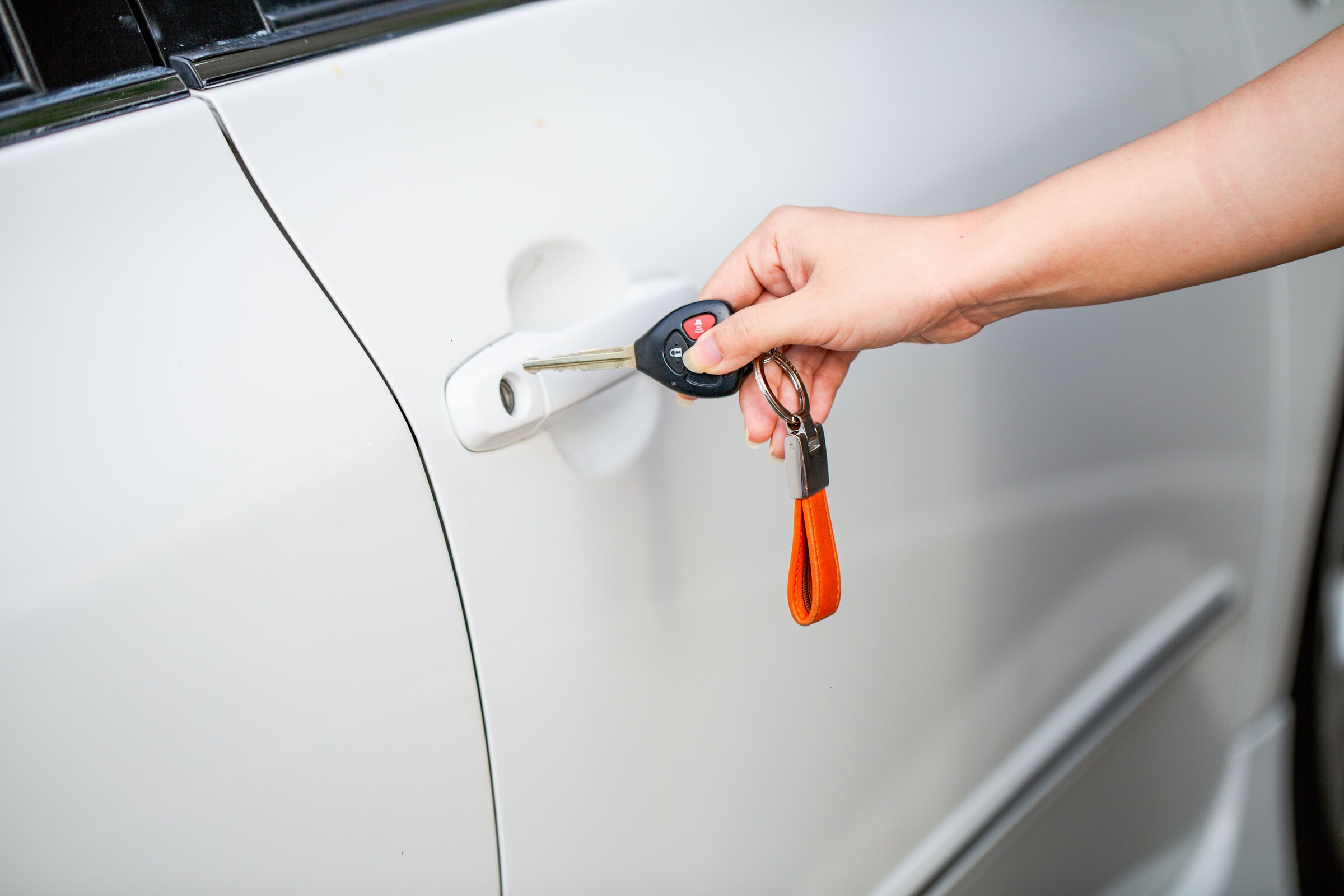
The amount spent to fit and maintain the device belongs alongside the insurance saving.
Which insurance saving is being offered?
An insurer may offer a discount for approved security equipment. It may instead remove an extra charge applied to a car considered at high risk of theft. Both can reduce the final bill, but they work differently.
Help with the cost of fitting a device is another option. An insurer may help pay for approved equipment or the work to fit it. That cuts the cost the owner pays at the start. It does not, by itself, show how much the yearly insurance bill will fall.
The offer needs to name the exact car and policy. A programme offered for a given model or area may not apply to another car, even when both owners buy the same device.
The date the saving starts matters too. The saving may start only after the device is fitted, switched on, or proven to meet the offer’s terms. Its start date and the part of the policy receiving the saving determine how much the owner pays.
Don’t apply an expected percentage to the total yearly bill without those details. Theft is one risk among several covered by car insurance, so a reduction connected to theft need not reduce every coverage equally.
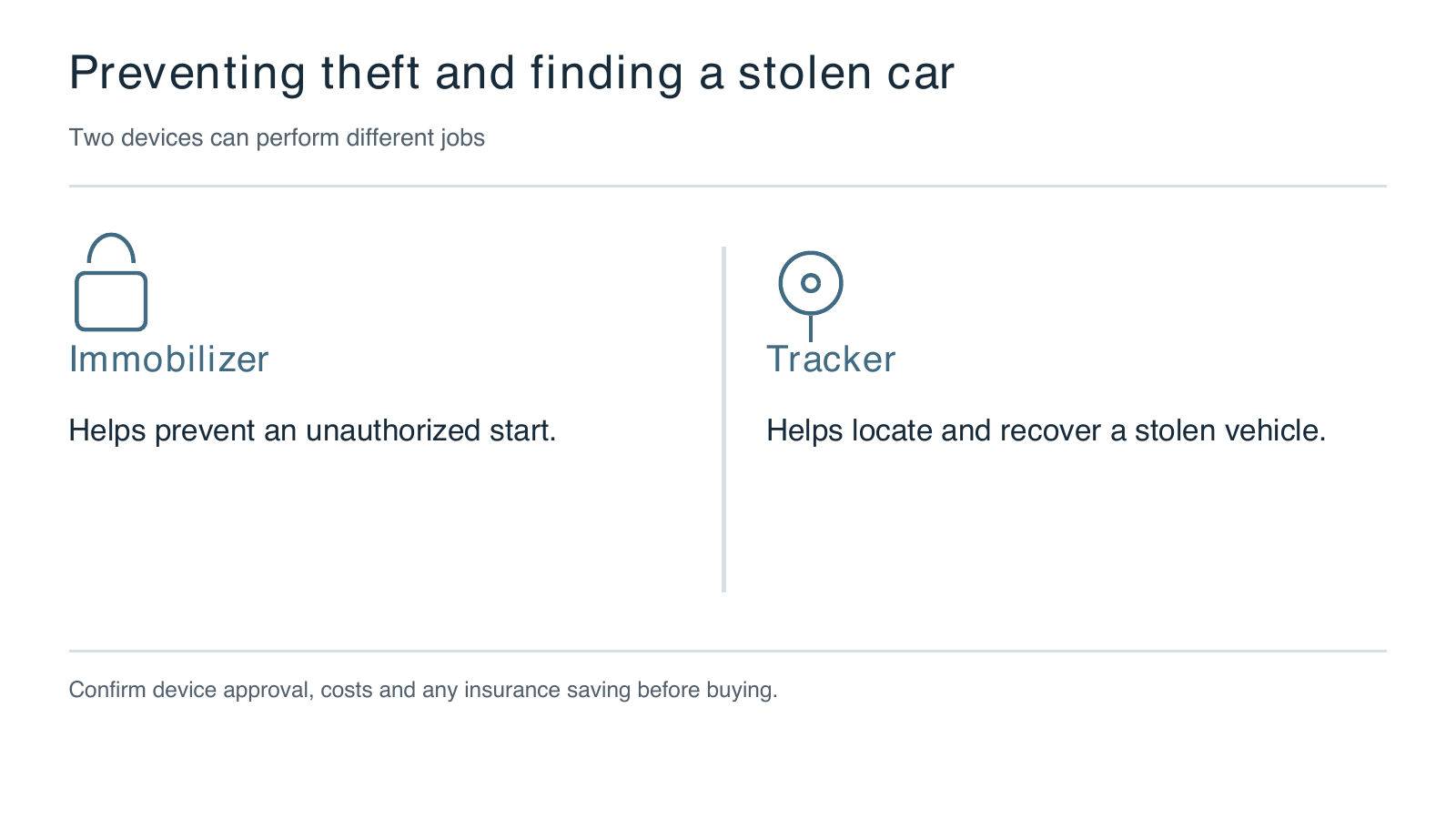
Immobilizers and trackers do different jobs
Preventing an unauthorized start
An immobilizer aims to stop the engine from starting when someone lacks the right key or other means to start it. Many cars already have factory equipment that performs this job. That doesn’t mean it meets the terms of the insurer’s extra anti-theft offer.
The insurer may require equipment beyond what is already fitted. A factory feature, an aftermarket immobilizer and a monitored recovery system do different jobs. Each may help keep a car safe without meeting the same insurance requirements.
Helping recover a stolen car
A tracking system helps locate the car after it has been taken. Its value depends on the system and the response offered when a theft is reported. It serves a different purpose from equipment intended to stop an unauthorized start.
Visible locks and alarms add another layer by making theft harder or drawing attention to it. Warning devices, immobilizers and recovery equipment can work together against different parts of the theft risk.
The insurer can explain which of these functions its approved programme requires before the owner chooses a device or installer.
Security equipment is one of the factors that affect car insurance premiums, along with the car, its use and the driver’s record.
Car makers use several ways to help stop theft, such as immobilizers, software updates, features that watch the car, and services for stolen cars.
Confirming the device and installation requirements
A new car can therefore have more than one form of factory protection. The exact features need to be checked against the insurer’s requirements.
Approval may concern a given device model and installation arrangement. A consumer item tracker should not be assumed to qualify as an approved car-recovery system. A product’s technical certification does not mean every Ontario insurer approves it.
Before paying, the owner should get the approved device, installer, and required proof in writing. Updating the policy may require an invoice, installation certificate or activation record, depending on the offer’s terms.
Some systems require a paid plan to stay active. Stopping payments may end the service, so those fees belong in the cost comparison. The insurer should explain whether continued activation is a condition of the price treatment or coverage offered.
A signal-blocking pouch has a different role. It can help protect against key-fob relay theft, but it does not replace a recovery service or stop every theft method. Choosing it for car security and qualifying for an insurance reduction are separate questions.

Comparing the full cost over a year
Two yearly quotes with the same liability limits, physical-damage coverages, and deductibles show the savings from the qualifying device. One quote includes it; the other does not. Changing the coverage at the same time would obscure that saving.
The difference between the quotes gives the yearly premium reduction. Any ongoing monitoring or maintenance cost should then be deducted from that amount. The owner can compare what is saved each year with the cost to fit the device, less any amount the insurer has agreed to pay back.
If the owner saves money each year, they can divide the net cost paid at the start by that saving. The result shows about how long it would take to get that money back. That assumes the discount or removed charge, and the costs to keep the device active, stay the same. A future renewal can change either part of that calculation.
A small rebate may take a long time to pay back the cost of fitting a pricey device. Removing a larger theft surcharge may produce a different result. The written quote shows which case applies.
The device can still help protect the car when the insurance saving is small. Stopping a theft or helping find a stolen car can save the owner trouble and loss. Those results cannot be promised or given a fixed dollar value in the two quotes.
Theft coverage still needs its own check
Security equipment does not add insurance for theft to a policy. The owner needs coverage that includes that loss, such as comprehensive coverage, subject to its terms and deductible. A policy limited to liability does not acquire theft protection when an alarm is installed.
Factory technology can also be overcome. Canadian theft investigators have described thieves using flaws in electronic key-fob systems and the systems used to check a car for faults. That is a reason to keep security and insurance protection under review even when the car already has an immobilizer.
The policy records should name the approved device, the proof sent in, and the date the insurer changed the policy. Keeping the monitoring conditions with them makes it easier to check continued eligibility at renewal.

Matthew Wilde
Matthew Wilde is an automotive journalist with experience contributing to leading publications. He focuses on delivering clear, well-researched analysis of automotive industry news and vehicles. Growing up surrounded by a variety of cars, Matthew developed a strong foundation in automotive technology and design. His work emphasizes accuracy and depth, aimed at informing both enthusiasts and industry professionals with straightforward, precise reporting.
https://theweeklydriver.com/