
Few vehicles have made the trip from supply depots and muddy training grounds to the valet stand of a nice restaurant. The Mercedes-Benz G-Class has done exactly that. What started in 1979 as a squared-off, purpose-built off-roader, developed with Steyr-Daimler-Puch in Austria, has become one of the most recognizable shapes on the road and one of the most sought-after classics in the 4×4 world.
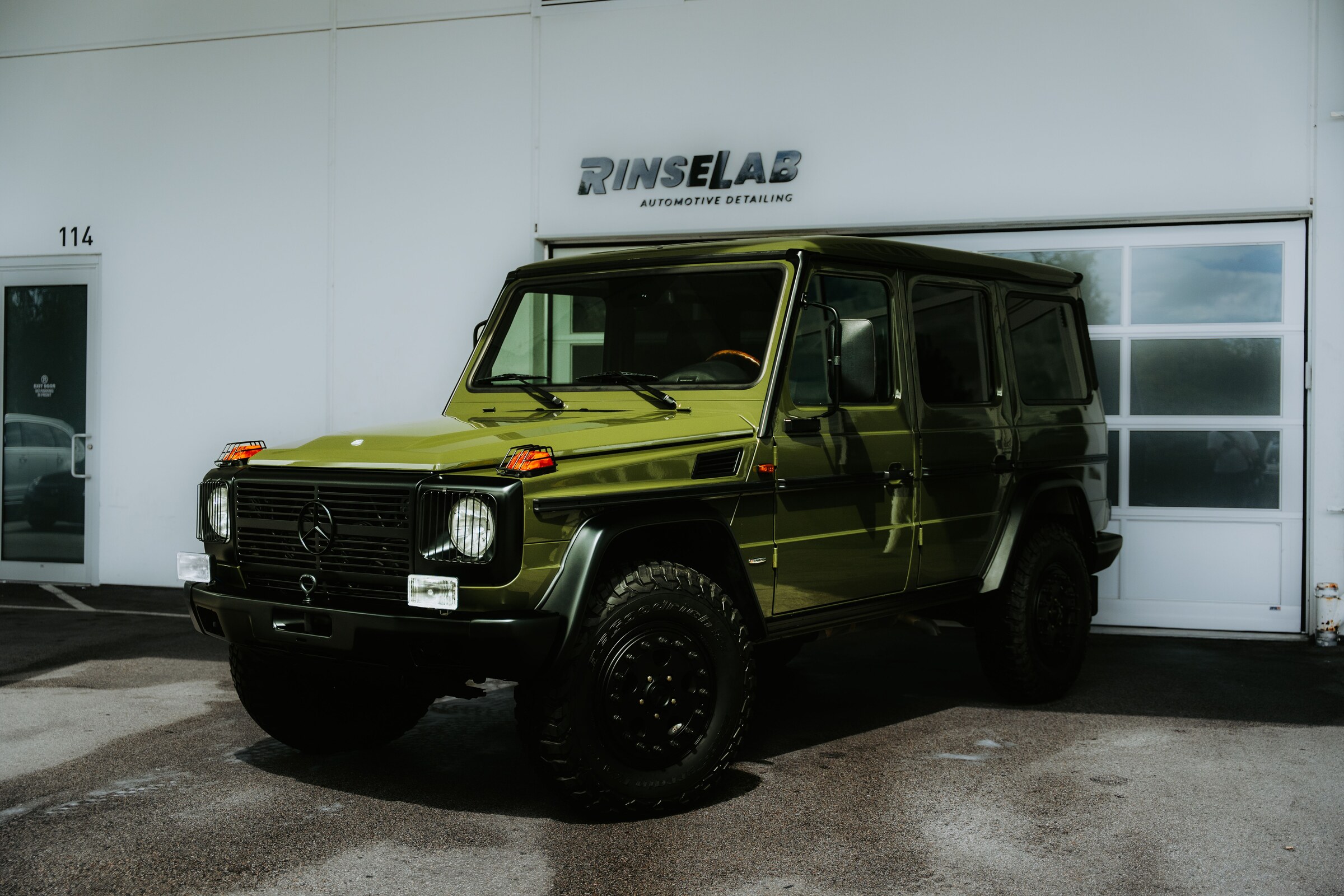
Some of the most interesting examples are the ones that wore a uniform first. Military G-Wagens served with a number of armed forces, and the German army’s version became known by a simple nickname: the Wolf. Today those trucks are finding second lives with enthusiasts who want something tougher and more honest than a modern luxury SUV.
Built for duty, not for show
The early G-Class was designed around a job. Its body sits on a separate ladder frame, its overhangs are short, and its flat glass and upright pillars give the driver a clear view of the ground ahead. Many versions were fitted with locking differentials, so the truck could keep moving when a wheel lost grip. Nothing about it was styled for a showroom, and that is a big part of why it has aged so well.
Military trucks took that philosophy even further. They were specified for reliability and ease of repair in the field, with simple interiors and hard-wearing materials. That plain, functional character is exactly what collectors now look for.
A blank canvas for builders
A body-on-frame truck with a well-documented service life makes a strong starting point for a restoration. Builders can lift the body, inspect the frame properly and decide what should be kept, rebuilt or replaced. Former military vehicles were usually maintained on a schedule, and many were stored for long periods rather than driven hard every day.
That does not mean every surplus truck is a good buy. Years of storage bring their own problems, from dried-out seals to tired wiring. But in the hands of a specialist, these trucks can be brought back to a standard that is better than the day they left the factory.
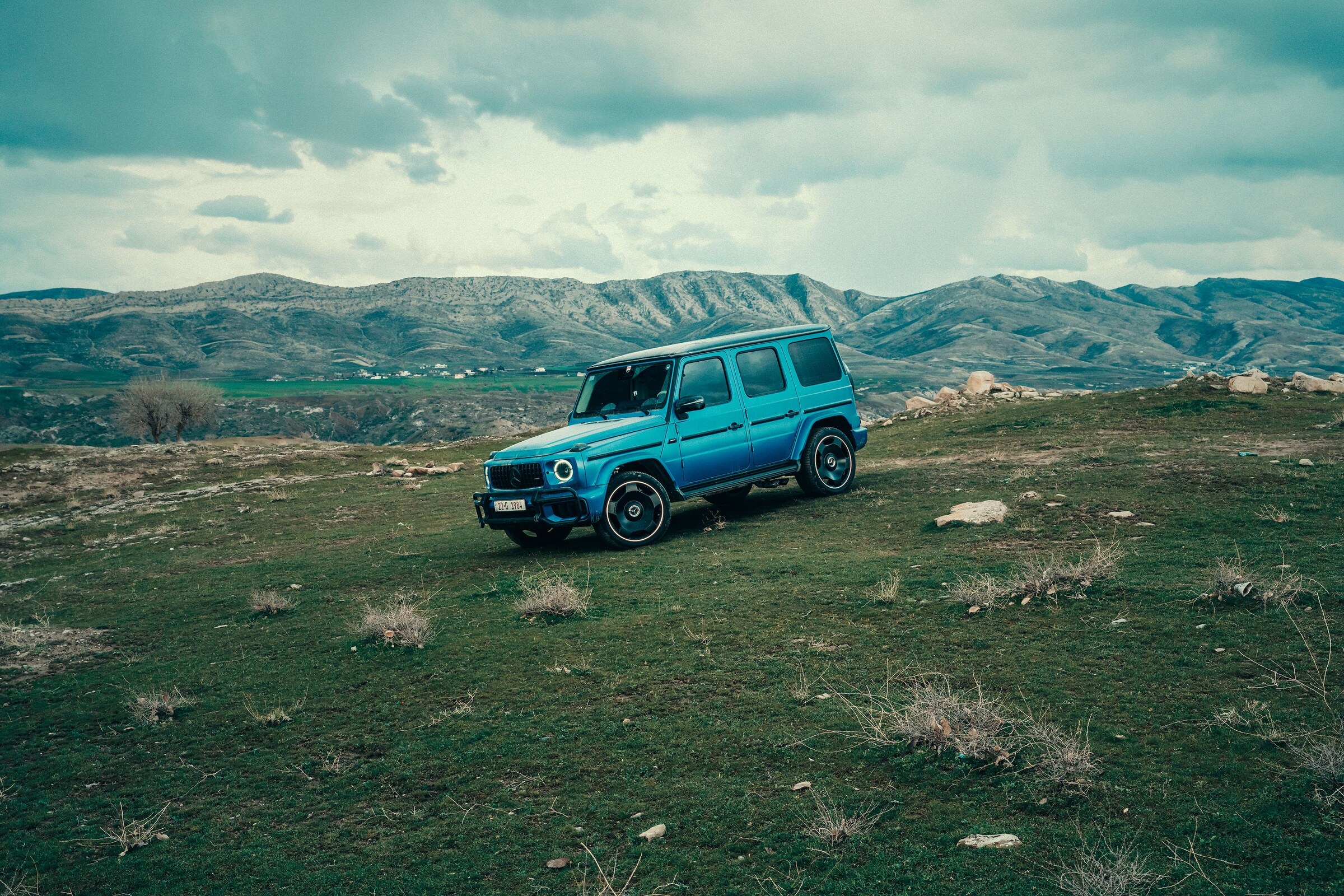
What a modern restomod changes
The appeal of a restomod is simple: keep the look and feel that made the vehicle special, then quietly fix the things that make it hard to live with. On an old G-Wagen that often means a modern drivetrain, stronger brakes, better suspension tuning, real air conditioning and an interior that feels finished rather than spartan. A reimagined Wolf G-Wagon is a good example of the approach, keeping the slab sides, round headlights and upright stance while making the truck comfortable enough to drive every week.
The best builds are restrained. They do not chase trends or bolt on accessories for the sake of it. The goal is a truck that still feels like a Wolf from behind the wheel, just one that starts every morning and keeps up with modern traffic.
What to ask before you buy
If you are shopping for a restored or restomod G-Wagen, the questions are the same ones you would ask about any serious classic. How was the frame assessed and repaired? Are there photographs from the bare-chassis stage? Which parts are original, which were rebuilt and which were upgraded? Who did the work, and will they support the truck after the sale?
Insist on a proper test drive, too. A well-sorted build should track straight, brake cleanly and run cool in traffic. Any good builder will be happy to talk through the details.
Still doing the job
The G-Class was built to be dependable in hard places, and the military trucks proved it. That reputation is why so many of them are still around, and why a carefully rebuilt example remains one of the most rewarding classic 4x4s you can own.

Matthew Wilde
Matthew Wilde is an automotive journalist with experience contributing to leading publications. He focuses on delivering clear, well-researched analysis of automotive industry news and vehicles. Growing up surrounded by a variety of cars, Matthew developed a strong foundation in automotive technology and design. His work emphasizes accuracy and depth, aimed at informing both enthusiasts and industry professionals with straightforward, precise reporting.
https://theweeklydriver.com/