A car accident can turn an ordinary drive into a long list of things that need attention. The vehicle may need to be towed. A repair shop may need to inspect the damage. A trip to the doctor may follow, along with calls from an insurance company and questions about how the crash happened. In Greensboro, where many people depend on their cars for work, school, errands, and family responsibilities, getting back to normal can take time when a collision causes an injury.
The damage to the vehicle is often the first thing people think about after a crash, but it is only one part of the situation. Medical treatment, time away from work, rental transportation, and other expenses can quickly add up. A Greensboro personal injury lawyer can review the circumstances of a collision and help an injured person understand what information may matter when pursuing a claim.
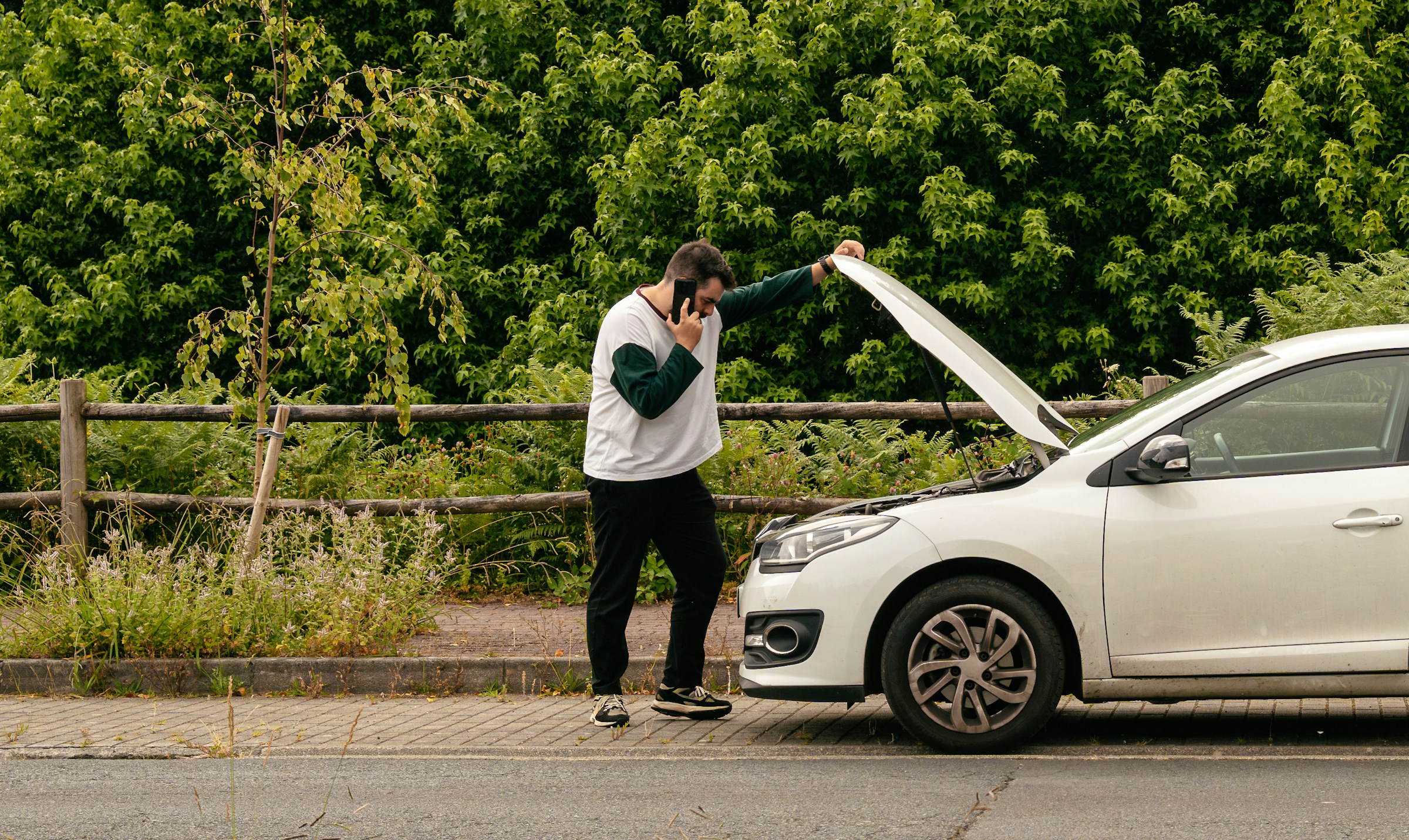
Start By Documenting The Collision
Once a damaged vehicle leaves the crash scene, some details become much harder to establish. Photos taken before the vehicles are moved can show the position of the cars, damage to particular panels, broken glass, deployed airbags, skid marks, and the surrounding roadway. It is worth keeping those photographs even after the vehicle goes to a repair shop. Repair estimates, towing invoices, inspection reports, and information about where the vehicle was taken can also become useful later.
Other details can disappear just as quickly. A witness who saw the crash may remember less a few weeks later. A nearby business may not retain security footage indefinitely. If a driver has dashcam footage, saving the original file is preferable to relying on a recording that may later be overwritten. An experienced lawyer can also help identify which details from the collision may be important when establishing how the crash happened and who may be responsible.
Once repairs begin, some details of the original damage may no longer be visible. That makes photographs, repair estimates, and inspection records particularly useful when documenting what happened during the collision.
Don’t Assume The Car Tells The Whole Story
Looking at a wrecked vehicle does not always reveal how seriously someone was hurt. A bumper can take most of the visible damage while an occupant develops neck or back pain later. Some people walk away from a crash feeling shaken but relatively normal, only to notice worsening symptoms after the adrenaline wears off. Others may need emergency treatment immediately.
For that reason, medical attention should not be put off simply because an injury does not look serious. Medical records can show what was reported after the collision, what doctors found, and how treatment progressed.
That information becomes particularly important when an insurer questions whether an injury came from the accident. Treatment notes, imaging results, prescriptions, therapy records, and specialist evaluations can provide a much clearer picture than a single description of how someone felt on the day of the crash.
Take Insurance Calls Seriously
An insurance adjuster may reach out soon after a collision. The conversation might involve the accident, vehicle damage, injuries, medical treatment, or a proposed settlement.
The timing matters. Early in the process, an injured person may not know how long treatment will last or whether a seemingly minor injury will become more serious. A vehicle may also be awaiting inspection or repair, leaving the total financial impact unclear.
That is one reason an early settlement deserves careful consideration rather than an automatic acceptance. Once a settlement agreement is signed, there may be no opportunity to return later for additional compensation related to the same claim.

Look Beyond The Damaged Vehicle
A car accident claim is not simply a dispute over the cost of fixing a vehicle. When someone is injured, the effects can follow them into the workplace, the doctor’s office, and ordinary parts of daily life.
For Greensboro drivers dealing with the aftermath of a collision, keeping a clear record from the beginning can make the situation easier to understand. Photographs, repair paperwork, medical records, wage information, receipts, and insurance correspondence can all help tell the story of what happened and what followed.
The goal is not just to get the car repaired. It is to account for the wider consequences of the crash while the evidence is still available and the details are still fresh.

Matthew Wilde
Matthew Wilde is an automotive journalist with experience contributing to leading publications. He focuses on delivering clear, well-researched analysis of automotive industry news and vehicles. Growing up surrounded by a variety of cars, Matthew developed a strong foundation in automotive technology and design. His work emphasizes accuracy and depth, aimed at informing both enthusiasts and industry professionals with straightforward, precise reporting.
https://theweeklydriver.com/