
Yes, but usually not in the way many drivers hope. Eating before or while drinking can slow alcohol absorption and lower your peak alcohol level. However, food cannot remove alcohol already in your blood.
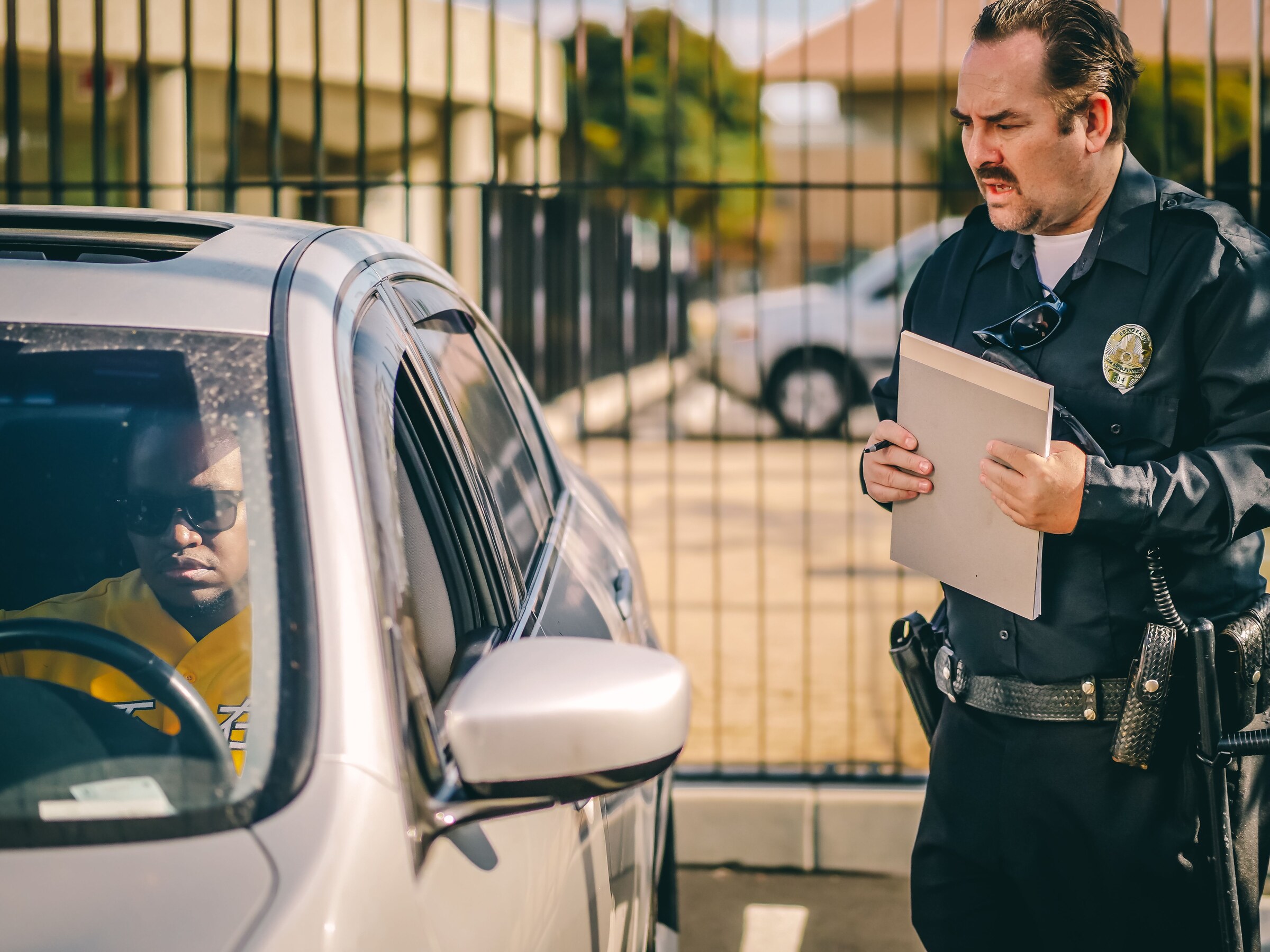
Houston sees a high number of impaired-driving cases. According to the Texas Department of Transportation, the Houston area recorded 4,665 alcohol-related crashes in 2023, resulting in 223 deaths. Local police and the Harris County Sheriff’s Office regularly increase DWI enforcement during holidays.
For anyone who needs legal assistance after a DWI charge in Houston, understanding how food interacts with breath testing can help clarify what the evidence really shows.
How Can Eating Affect a Breathalyzer Test?
Food Slows Alcohol Absorption
Food keeps alcohol in the stomach longer, so it reaches the small intestine, where most alcohol is absorbed, more slowly. Studies show this lowers peak alcohol levels and delays when that peak occurs.
Residue in the Mouth
Mouthwash, breath sprays, or recent drinks can leave alcohol in the mouth. This “mouth alcohol” can cause a falsely high reading if the test is given too soon.
Burping or Reflux After a Meal
A large meal combined with alcohol may cause burping or acid reflux. These can bring alcohol from the stomach into the mouth shortly before the test.
Why Doesn’t Food Usually Decide a DWI Case?
Published research shows that eating before drinking lowers both the peak alcohol level and the total amount absorbed. Even so, a driver can still exceed the legal limit after a meal.
Officers also document driving behavior, speech, and field sobriety test results. This is why a breath result is usually only one part of the evidence.
What Texas Laws Apply to Breath Tests?
Under Texas Penal Code §49.01, a person is intoxicated if they have lost the normal use of their mental or physical faculties or have an alcohol concentration of 0.08 or more. This means a driver can face a DWI charge even if the breath result is below 0.08.
Texas also regulates how breath tests are performed. Under 37 Texas Administrative Code §19.3, the operator must remain with the person for at least 15 minutes before the test and take reasonable care that nothing is placed in the mouth.
Example: How a Meal Can Affect Breath Test Evidence
Consider a hypothetical driver who eats a large dinner, has two drinks, and is stopped an hour later. Because of the meal, the driver’s alcohol level may rise more slowly than it would on an empty stomach.
However, if the driver burped before the test and the officer did not restart the waiting period, the result could be challenged.
Pro Tip: Tell the officer if you burp, vomit, or have anything in your mouth during the waiting period, and keep a record of when you last ate.

What Should You Do If You Were Tested After Eating?
Consider these steps:
- Write down exactly what and when you ate and drank.
- Note whether the officer watched you for 15 minutes before the test.
- Record any burping, reflux, or medical conditions.
- Request the breath test records and any video.
Frequently Asked Questions
Can eating bread or other food absorb alcohol and beat a breath test?
No. Food can slow absorption, but it cannot remove alcohol that has already entered your bloodstream.
Does acid reflux affect breath test results?
It can. Reflux may bring stomach alcohol into the mouth, which is one reason Texas requires a 15-minute waiting period.
Key Takeaways
- Yes, eating can affect breath test evidence, but it cannot prevent a DWI charge.
- Food eaten after drinking does not reduce alcohol already in the blood.
- Mouth alcohol, burping, or reflux can affect breath test accuracy.
- Texas requires a 15-minute waiting period before a breath test.
- A DWI charge can be based on impairment, not only a 0.08 result.
- Records of meals, timing, and testing procedures can matter in a DWI case.

Matthew Wilde
Matthew Wilde is an automotive journalist with experience contributing to leading publications. He focuses on delivering clear, well-researched analysis of automotive industry news and vehicles. Growing up surrounded by a variety of cars, Matthew developed a strong foundation in automotive technology and design. His work emphasizes accuracy and depth, aimed at informing both enthusiasts and industry professionals with straightforward, precise reporting.
https://theweeklydriver.com/