
Highway crashes create overwhelming chaos within seconds on busy expressways. Knowing precise physical actions protects personal safety when sudden adrenaline spikes occur on congested interstates.
Clear decisions made directly after an accident preserve personal well-being alongside future legal options. Structured procedures help drivers navigate complex roadside emergencies effectively without added confusion during critical moments.

Move to Safety Immediately
High-speed traffic poses severe secondary danger on major expressways after initial collisions occur. Drivers must evaluate vehicle mobility prior to attempting any movement across active traffic lanes. Moving disabled automobiles off main thoroughfares keeps traffic flowing smoothly.
Steering damaged cars toward shoulder areas minimizes collision risks from behind. Legal advisors at The Trapani Law Firm recommend staying inside vehicles when shoulder space feels tight. Remaining belted prevents severe pedestrian injuries along fast-moving travel lanes.
Hazard lights provide immediate visibility to oncoming motorists during day or night hours. Activating emergency signals alerts approaching drivers early enough for them to adjust travel speeds safely. Setting up warning markers adds extra protection around stalled vehicles.
Contact Emergency Responders
Calling emergency dispatch units establishes an official record of the highway accident. First responders dispatch medical crews alongside traffic control officers to manage structural road hazards. Immediate notification brings quick assistance to injured passengers.
State troopers compile comprehensive accident reports detailing exact highway markers and roadway conditions. Official police accounts offer neutral documentation required by insurance representatives later. These official documents summarize speed limits, weather factors, and vehicle positions.
Dispatch operators guide caller actions until police vehicles reach the crash location. Staying on active calls helps safety officers track changing traffic conditions in real time. Clear communication with dispatchers helps incoming ambulances locate exact highway exits.
Document Roadside Evidence
Smartphone cameras allow quick capture of damaged bumpers, tire marks, and weather details. Gathering visual evidence helps establish crash mechanics before tow trucks clear vehicle debris. Photographs preserve physical proof before rain or heavy traffic wipes away skid marks.
A recent research study noted that predicting traffic accidents helps organizations deploy preventive measures ahead of crashes. Photo documentation helps reconstruction experts analyze crash factors accurately. Visual records confirm exact impact angles when statements conflict later.
Taking wide photos shows overall lane positions relative to nearby exit ramps or highway signs. Close photos highlight specific mechanical damage, paint transfer, and shattered glass on the pavement. Capturing street signs helps pinpoint precise collision spots along rural interstates.
Exchange Information Responsibly
Exchanging details with other involved drivers requires calm interactions without discussing fault. Apologizing or speculating about vehicle speed ruins factual records during formal reviews. Keeping conversations brief avoids emotional arguments along active highway shoulders.
Drivers must collect specific contact details directly from each person involved in the crash:
- Full legal names and phone numbers
- Auto insurance policy numbers
- Driver license numbers and state details
- Vehicle identification numbers and license plates
Gathering witness contact details adds neutral perspectives to insurance claims. Independent statements help clarify disputed sequences of events during complex lane shifts. Bystanders often notice visual details that distracted drivers miss during sudden collisions.
Seek Medical Evaluation
Adrenaline masks soft tissue injuries and concussions immediately following sudden highway impacts. Medical evaluation identifies hidden physical trauma before symptoms intensify later in the week. Early diagnosis prevents minor sprains from developing into chronic pain conditions.
Federal health reports state that motor vehicle traffic deaths accounted for 14.2 deaths per 100,000 people in national mortality surveys. Rapid medical screening reduces long-term physical complications following severe high-speed collisions. Professional examinations document physical damage for future care plans.
Emergency room records link physical injuries directly to the vehicular collision timeline. Detailed medical documentation prevents insurance adjusters from claiming injuries existed previously. Clinical records establish clear proof when negotiating medical bills with claim adjusters.
Notify Insurance Providers
Reporting highway accidents quickly starts the formal claims handling process with insurers. Policyholders must stick strictly to verified facts when describing lane positions and travel speeds. Accurate initial statements prevent claim denials during subsequent investigations.
Insurance adjusters review police reports alongside photos to determine liability limits. Providing concise answers prevents misunderstandings during early statement recordings with claims agents. Stick to physical observations rather than personal guesses regarding crash causes.
Keeping written logs of claim numbers and adjuster contact details keeps claims organized. Tracking every communication secures clear timelines for vehicle repair approvals. Recorded notes prevent confusion when multiple representatives handle single claims.
Manage Long-Term Recovery
Vehicle repair estimates demand thorough inspection by certified collision mechanics. Hidden structural frame damage compromises vehicle safety if mechanics overlook internal alignment issues. Certified technicians check alignment settings before releasing cars back to owners.
Physical therapy sessions restore mobility after severe whiplash or joint injuries. Completing full treatment plans demonstrates injury severity to insurance providers during settlement negotiations. Consistent medical attendance supports bodily healing while building solid insurance records.
Organizing medical bills alongside towing receipts protects financial interests. Orderly recordkeeping simplifies negotiations for proper compensation claims throughout recovery. Keeping physical copies of receipts prevents administrative delays during claim reviews.
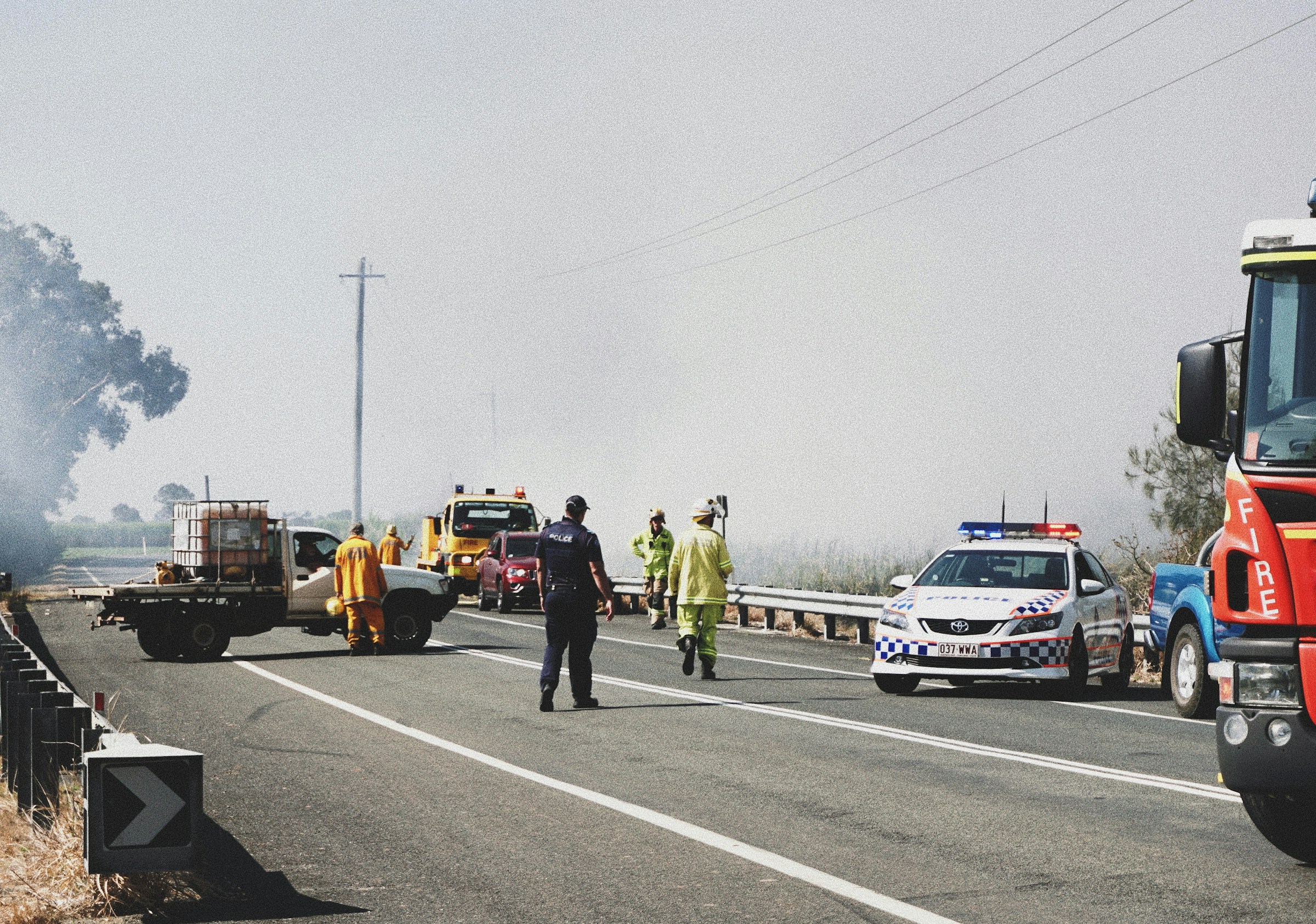
Navigating high-speed crash situations demands quick thinking and steady execution. Prioritizing safety, documenting physical evidence, and seeking medical care protects drivers on busy highways.
Following structured steps keeps personal health and legal rights secure. Calm action transforms a chaotic highway crash into a manageable recovery process.

Matthew Wilde
Matthew Wilde is an automotive journalist with experience contributing to leading publications. He focuses on delivering clear, well-researched analysis of automotive industry news and vehicles. Growing up surrounded by a variety of cars, Matthew developed a strong foundation in automotive technology and design. His work emphasizes accuracy and depth, aimed at informing both enthusiasts and industry professionals with straightforward, precise reporting.
https://theweeklydriver.com/