
Rural roads play a vital role in connecting communities, businesses, and families across the country. However, many of these roads intersect without traffic signals, stop signs, or other control devices that help regulate traffic flow. The lack of traffic controls at rural intersections has been linked to a significant number of serious and fatal crashes each year. After these devastating accidents occur, families often search for accident claim information to better understand their rights and the options available to them.
Why Rural Intersections Present Unique Risks
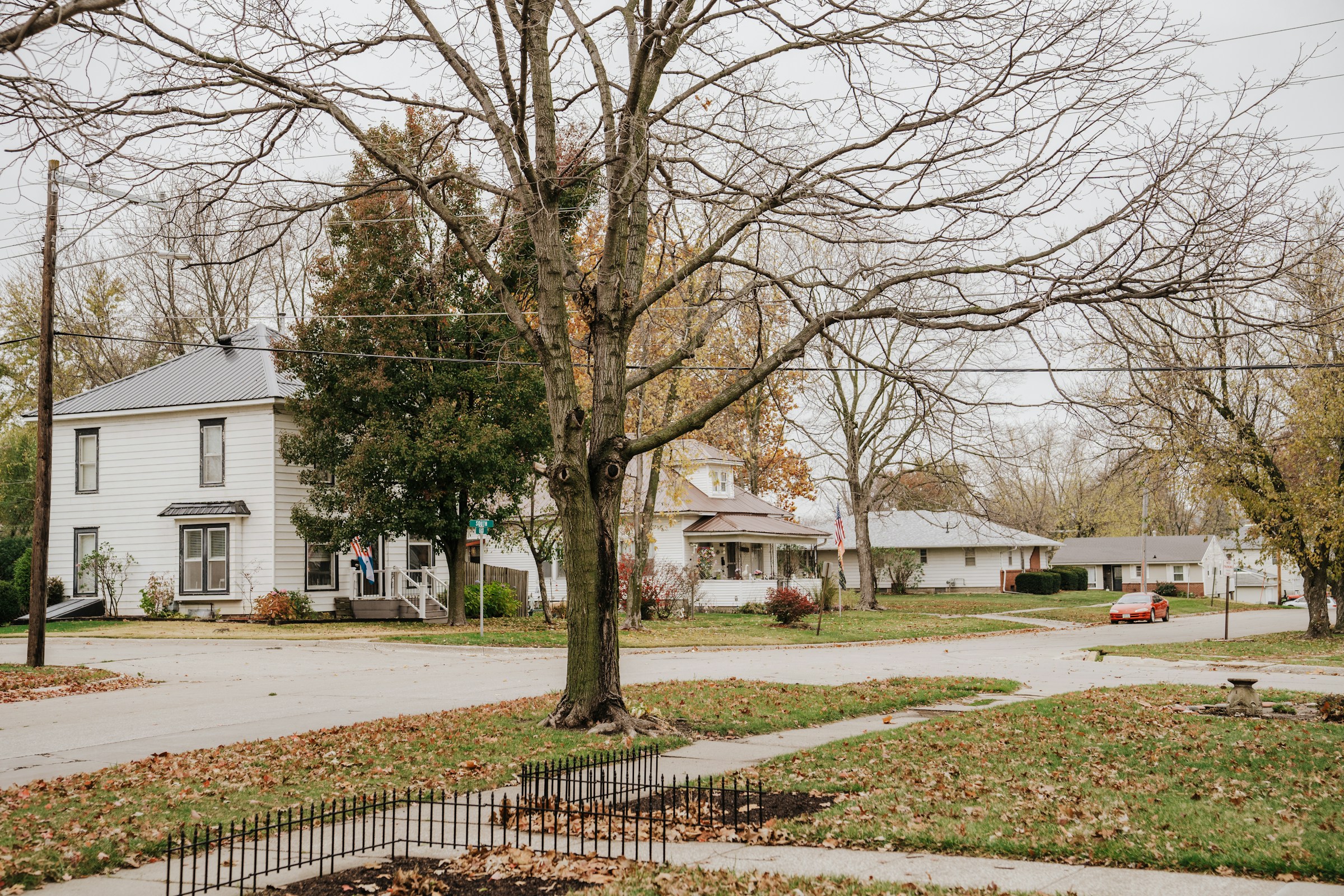
Unlike busy urban intersections, many rural crossings are designed with minimal traffic control measures. Drivers may encounter intersections with no stop signs, traffic lights, or warning devices to indicate approaching vehicles. This can create uncertainty about who has the right of way.
Rural roads often encourage higher travel speeds because traffic volumes are lower and roads appear less congested. When vehicles approach an uncontrolled intersection at high speeds, drivers have less time to react to potential hazards. A simple mistake can quickly become a serious collision.
Many rural intersections also have limited visibility due to trees, crops, hills, or other natural features. Drivers may not see an approaching vehicle until they are already entering the intersection. These visibility challenges increase the likelihood of dangerous crashes.
High-Speed Collisions Often Have Severe Consequences
One reason rural intersection crashes are frequently fatal is the speed involved. When two vehicles moving at highway speeds collide, they generate a large amount of force. The greater the speed, the more severe the impact tends to be.
Side-impact crashes are particularly common at uncontrolled intersections. Someone drives into an intersection without seeing another car approaching from behind, and the other car often hits the side of the first car. Occupants on the impacted side may suffer serious injuries because there is less structural protection.
Also, emergency services may take longer to reach rural areas. Medical assistance may take longer to reach crash victims in rural locations than in urban locations. The consequences of serious injuries may be impacted by this delay.
Driver Assumptions Can Lead to Dangerous Mistakes
Many rural drivers become familiar with local roads and travel the same routes every day. While familiarity can make driving feel more comfortable, it may also lead to complacency. Drivers sometimes assume an intersection will be clear because they rarely encounter other vehicles.
These assumptions can become dangerous when traffic conditions suddenly change. A visitor unfamiliar with the area, a farm vehicle, or another motorist may approach at the same time. Without traffic controls to guide decision-making, both drivers may enter the intersection simultaneously.
Distractions can make the problem even worse. Looking at a phone, adjusting a navigation system, or simply daydreaming for a few seconds may prevent a driver from noticing an approaching vehicle. At high speeds, those few seconds can make a critical difference.
Limited Warning Systems Increase the Risk
Traffic signals and stop signs serve an important purpose beyond controlling traffic flow. They provide clear instructions that reduce confusion and help drivers anticipate potential conflicts. When those controls are absent, drivers must rely entirely on observation and judgment.
Many rural intersections don’t even have the most basic signs indicating when a crossing is coming up. Sometimes, drivers don’t realize they’re approaching a crossing until it’s already there. This brief warning makes it harder to respond, increasing the risk of a crash.
Installing traffic controls at every rural intersection may not be practical. Studies, on the other hand, have shown that properly using stop signs, warning lights, and rumble strips, and improving labeling, can significantly improve safety. These measures often help drivers recognize hazards earlier.
Weather and Environmental Conditions Add More Challenges
Rural intersections can become even more dangerous during poor weather conditions. Rain, fog, snow, and ice may reduce visibility and increase stopping distances. It may be difficult for drivers to react properly if they already have little warning of an impending intersection.
Agricultural areas present additional challenges. At certain times of the year, tall plants growing next to roads can make it hard to see. Farm equipment entering and exiting fields may also create unexpected traffic situations.
Driving at night makes sight problems even worse. If there isn’t enough lighting, drivers might not be able to see other cars coming or find the crossing. These factors make accidents more likely in many rural areas.
Understanding Responsibility After a Rural Intersection Crash

Determining responsibility for a rural intersection accident is often more complicated than it first appears. Investigators may examine traffic management strategies, vehicle speeds, road design, visibility, and driver behavior. Each of these things can affect how the crash happened.
The chronology of events may be established using evidence such as skid marks, witness interviews, security footage, and accident reconstruction reports. Understanding these details is important when evaluating liability. Thorough investigations often uncover factors that are not immediately obvious after a collision.
Following a serious accident, many families seek accident claim information to understand their legal rights and potential options. Learning about the options can help crash victims recover compensation for their medical bills, lost wages, property damage, and other losses caused by the crash.
Conclusion
The absence of traffic controls at rural intersections continues to contribute to serious and fatal crashes across the country. High speeds, limited visibility, driver assumptions, and inadequate warning systems all combine to create dangerous conditions. By improving intersection safety measures and encouraging attentive driving habits, communities can help reduce preventable accidents and make rural roads safer for everyone.

Matthew Wilde
Matthew Wilde is an automotive journalist with experience contributing to leading publications. He focuses on delivering clear, well-researched analysis of automotive industry news and vehicles. Growing up surrounded by a variety of cars, Matthew developed a strong foundation in automotive technology and design. His work emphasizes accuracy and depth, aimed at informing both enthusiasts and industry professionals with straightforward, precise reporting.
https://theweeklydriver.com/