
Renting a commercial truck can cover a short fleet shortage, support seasonal workloads, or handle a specialized project without a purchase commitment. That convenience does not remove the need for careful review. An ill-suited vehicle can raise fuel use, slow loading, strain drivers, or disrupt site timing. Sound rental decisions usually depend on truck class, legal limits, contract terms, safety equipment, and service support during the full hire period.

Match Vehicle Type to the Work
Early planning usually starts with cargo size, route conditions, crew count, and loading method. Before choosing a unit, many managers review how a Commercial Truck Rental arrangement fits delivery patterns, material weight, equipment storage, and daily stop frequency. A flatbed suits one task, while a service body, box truck, or dump unit may better support another. Correct matching reduces wasted trips, idle labor, and avoidable scheduling strain.
Check Payload and Towing Limits
Weight capacity should match routine hauling demands, not an ideal day with lighter loads. Gross vehicle weight rating, axle limits, and trailer allowance all deserve close review before pickup. Even a modest overage can affect braking distance, steering response, and tire wear. Sensible buffer room helps crews load safely, protect mechanical parts, and avoid hurried changes once materials are already staged.
Review Driver License Requirements
License rules vary with truck size, trailer setup, and intended use. Some units can be driven with a standard license, while larger configurations may require added qualifications. Staffing plans should be checked before any reservation is confirmed. That step helps prevent a vehicle from arriving without a legally eligible operator. Careful verification also protects timelines during the first day on site.
Inspect Body Style and Upfit Needs
Many jobs depend on what sits behind the cab, not just what powers the chassis. Service bodies, ladder racks, liftgates, cranes, shelving, or enclosed compartments can change daily efficiency in clear ways. Teams should confirm that storage fits tools, parts, and safety gear without crowding access. A lower rate may seem attractive, yet the wrong setup often costs more in labor time.
Study the Rental Term Carefully
Rental length shapes overall value more than many firms expect. One project may need a truck for several days, while another runs for months. Contract language should explain mileage limits, maintenance duties, extension terms, early return rules, and condition standards at drop-off. Charges hidden in the fine print can upset a careful budget. Clear timing terms help managers plan with fewer billing surprises.
Confirm Maintenance and Roadside Support
Mechanical trouble can interrupt crews, delay appointments, and leave materials stranded. For that reason, support matters almost as much as the truck itself. Managers should ask who handles routine service, tire replacement, warning lights, and emergency repairs. Response speed is especially important for regional routes or remote worksites. Access to a substitute vehicle can sharply reduce downtime after a serious breakdown.
Evaluate Delivery and Location Access
Vehicle access should be reviewed before the agreement is finalized. Some providers can bring trucks directly to a yard or active site, which reduces shuttle time and keeps workers focused on setup. Geographic coverage also matters for companies operating across several cities. Reliable access in more than one area can simplify scheduling. That flexibility helps crews move between jobs without added transport complications.
Look at Safety and Visibility Features
Safety equipment deserves close attention because commercial trucks often operate in tight spaces, heavy traffic, and uneven yards. Backup cameras, blind spot alerts, wider mirrors, and improved lighting can support better visibility during reversing or parking. Cab comfort also affects concentration over long shifts. Supportive seating, clear controls, and effective climate systems help drivers stay alert. Practical protection should be treated as a basic operating need.
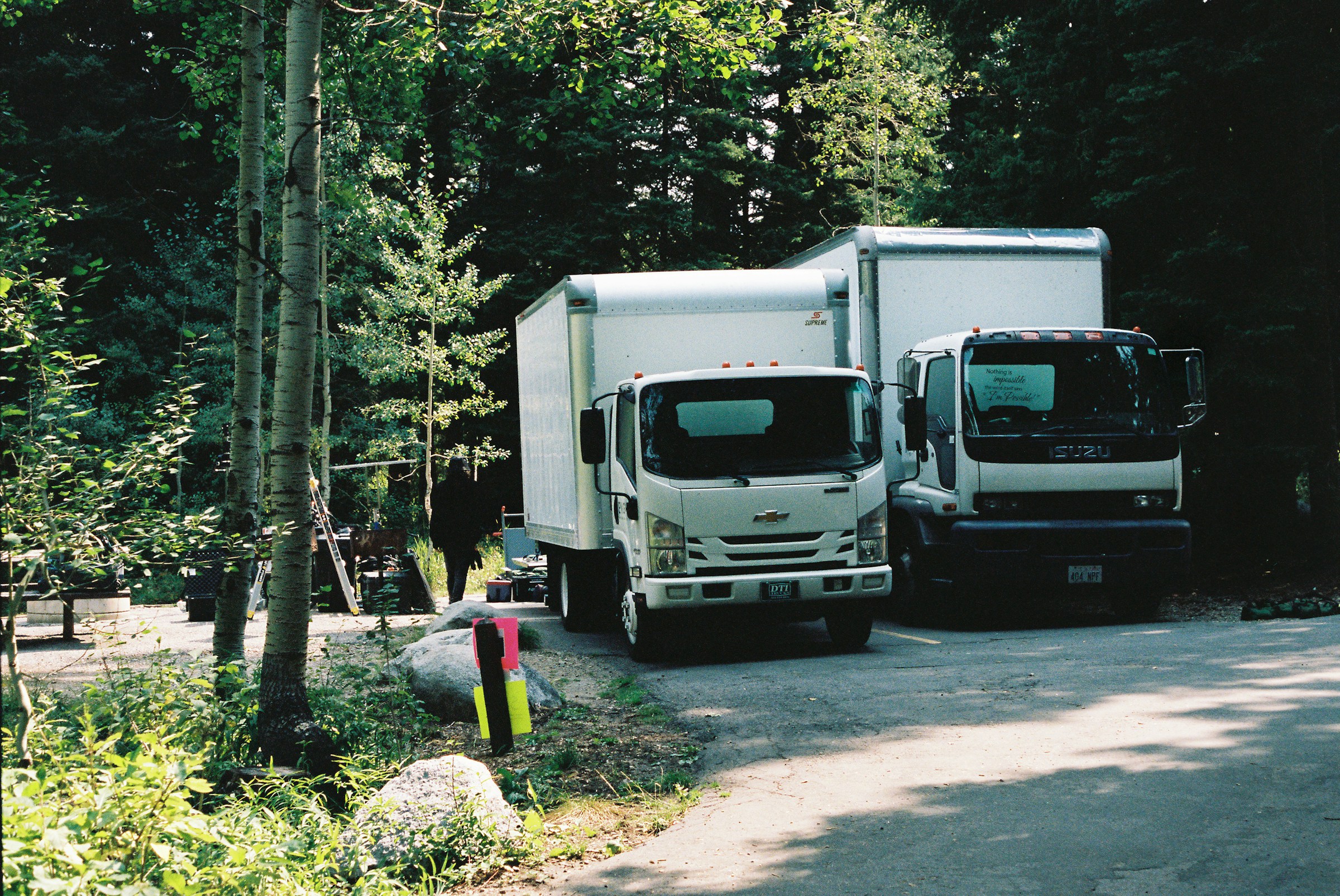
Compare Fuel Type and Operating Costs
Operating costs reach beyond the daily hire rate. Fuel use changes with payload, idle time, route length, and engine type. Gasoline models may fit lighter schedules, while diesel power can better serve heavier towing or repeated hauling. Managers should estimate weekly expense across the full job cycle. A cheaper posted rate loses appeal quickly if the truck burns more fuel or needs extra runs.
Ask About Branding and Presentation
Appearance can influence client trust before any work begins. A clean, well-kept truck supports a professional impression at offices, homes, warehouses, and public sites. Some rental arrangements also allow temporary logo placement or exterior graphics. That option can help crews present a consistent image during service visits. Visual presentation will never replace performance, yet it still shapes how a company is received.
Conclusion
A smart rental choice depends on much more than the listed price. Capacity, licensing, body style, service support, delivery access, safety features, and fuel cost all affect how well a truck performs in daily use. Each detail can influence productivity, driver strain, schedule control, and operating expense. With a careful review process, decision makers can choose equipment that fits the job, supports crews properly, and limits preventable setbacks.

Matthew Wilde
Matthew Wilde is an automotive journalist with experience contributing to leading publications. He focuses on delivering clear, well-researched analysis of automotive industry news and vehicles. Growing up surrounded by a variety of cars, Matthew developed a strong foundation in automotive technology and design. His work emphasizes accuracy and depth, aimed at informing both enthusiasts and industry professionals with straightforward, precise reporting.
https://theweeklydriver.com/