
An unwanted vehicle rarely becomes a problem overnight. It may begin with a repair that gets postponed, followed by an expired registration or another mechanical failure. Eventually, the car sits unused in a driveway, garage or side yard while its condition slowly declines.

Naples presents additional challenges for inactive vehicles. Strong sunlight damages paint, rubber and interior materials. Humidity encourages corrosion, while coastal air accelerates deterioration on exposed metal. A vehicle that appears stable can lose value when water reaches electrical components or rust spreads underneath the body.
Selling an end-of-life vehicle is usually more involved than arranging a tow and collecting payment. The owner needs to establish ownership, describe the vehicle accurately, understand how buyers calculate value and confirm the handover details. A little preparation keeps the transaction organized and prevents disagreements at pickup.
What to Know Before Owners Sell Junk Car Naples FL
Anyone preparing to sell junk car in Naples FL should begin with a clear description of the vehicle. Buyers generally need the year, make, model, location and overall condition before they can discuss an offer. They also need to know whether the vehicle starts, rolls, steers and has all its major components.
Accuracy matters more than making the car sound appealing. A missing catalytic converter, damaged suspension or seized wheel affects the vehicle’s value and the equipment needed to move it. The same applies to flat tires, missing keys and accident damage. Owners should record several basic details before contacting a buyer:
- The vehicle identification number
- The year, make and model
- Current mileage, when available
- Whether the engine starts
- Major mechanical or collision damage
- Missing parts or wheels
- The vehicle’s exact location and ZIP code
- Access conditions around the vehicle
Clear information gives the recycling yard a realistic picture of the job. It also reduces the chance of an offer changing because the vehicle’s actual condition differs from the original description.
Ownership and Title Details Come First
A junk vehicle still has a legal owner. Its poor condition does not remove the need for proper documentation or a lawful transfer. Sellers should locate the title and check that the printed name matches their identification. Any lien shown on the title also needs attention before the vehicle changes hands.
Florida has specific procedures for vehicles intended for dismantling or destruction. Some eligible junk vehicles that are at least 10 years old can be accepted without a title, but eligibility depends on the vehicle and available proof of ownership. The buyer should confirm the required paperwork before any pickup or handover is scheduled.
Owners should never assume that an expired registration, old insurance card or set of keys automatically proves the right to sell a vehicle. A reputable yard asks questions about ownership because junk cars can be connected to unresolved liens, abandoned-vehicle complaints or theft reports. The safest approach is straightforward:
- Find the title and review the ownership information.
- Check for a recorded lien.
- Gather a valid photo identification document.
- Ask which documents are required for that specific vehicle.
- Keep copies of the signed paperwork and final receipt.
Sensitive documents should not be sent through an ordinary website form unless the buyer provides a secure method and specifically requests them. Basic vehicle details are enough to begin the conversation.
A Junk Car Is Valued as a Vehicle, Not Just Metal
People often expect a simple price based on weight. That calculation is only one part of a junk vehicle’s value. A complete car contains steel, aluminum, copper and other recoverable materials, but it can also hold reusable mechanical and body components.
Year, make and model influence parts demand. A damaged vehicle with a useful engine, transmission, electronic module or undamaged body panels often carries more value than a similar vehicle stripped of those components. Newer vehicles also contain more complex electronics and valuable emissions equipment.
The search phrase “sell junk car Naples FL” often leads owners to instant-price advertisements. Those figures deserve careful review. A vehicle-specific offer should reflect the actual car, not a broad estimate based on limited information. Factors that commonly affect an offer include:
- Vehicle weight and metal content
- Current scrap-metal market conditions
- Demand for reusable parts
- Engine and transmission condition
- Missing wheels, batteries or emissions components
- Collision, fire, flood or corrosion damage
- Title status and proof of ownership
- Transportation distance and loading difficulty
A scrap-metal price per pound is not the same as a complete vehicle quote. Cars contain nonmetal materials, fluids and components that require processing. The yard must also account for labor, transportation and safe handling.
Honest Condition Details Protect the Offer
Owners sometimes leave out damage because they fear it will reduce the price. That approach usually creates problems later. The buyer will see the damage during inspection or pickup, and undisclosed issues can change the equipment, labor and value involved.
A short set of current photographs helps document the vehicle. Useful images include the front, rear, both sides, interior, wheels and damaged areas. A photograph of the space surrounding the car also shows whether a tow truck can reach it.
Flood exposure deserves special attention in Southwest Florida. Water can damage wiring, control modules, upholstery and mechanical systems long after the exterior has dried. Saltwater exposure creates an added corrosion risk. Sellers should describe known flooding, standing water or storm damage directly.
The goal is not to diagnose every fault. The owner only needs to provide an honest account of what is visible and known. A clear description gives both sides a practical basis for discussing the vehicle.
Pickup Requires More Than a Street Address
Vehicle collection depends on access, equipment and scheduling. A non-running car parked beside a road is different from one stored behind a house, inside a parking structure or on soft ground. Before arranging pickup, the seller should confirm:
- Whether collection is available at the vehicle’s location
- Whether transportation carries a charge
- The date and expected arrival window
- The type of equipment being sent
- Whether the vehicle needs to roll or steer
- How payment and paperwork will be handled
- Who must be present at handover
The area around the vehicle should be cleared of personal property and obstacles. The owner should remove toll transponders, license plates when required, registration papers and anything containing personal information. The glove compartment, trunk and spaces beneath the seats are easy to overlook.
A quoted amount should be confirmed before the vehicle is moved. Sellers searching “sell junk car Naples FL” should also ask whether the offer depends on a final inspection. Written confirmation provides a useful record of the agreed terms.
Recycling Gives an End-of-Life Vehicle a New Purpose
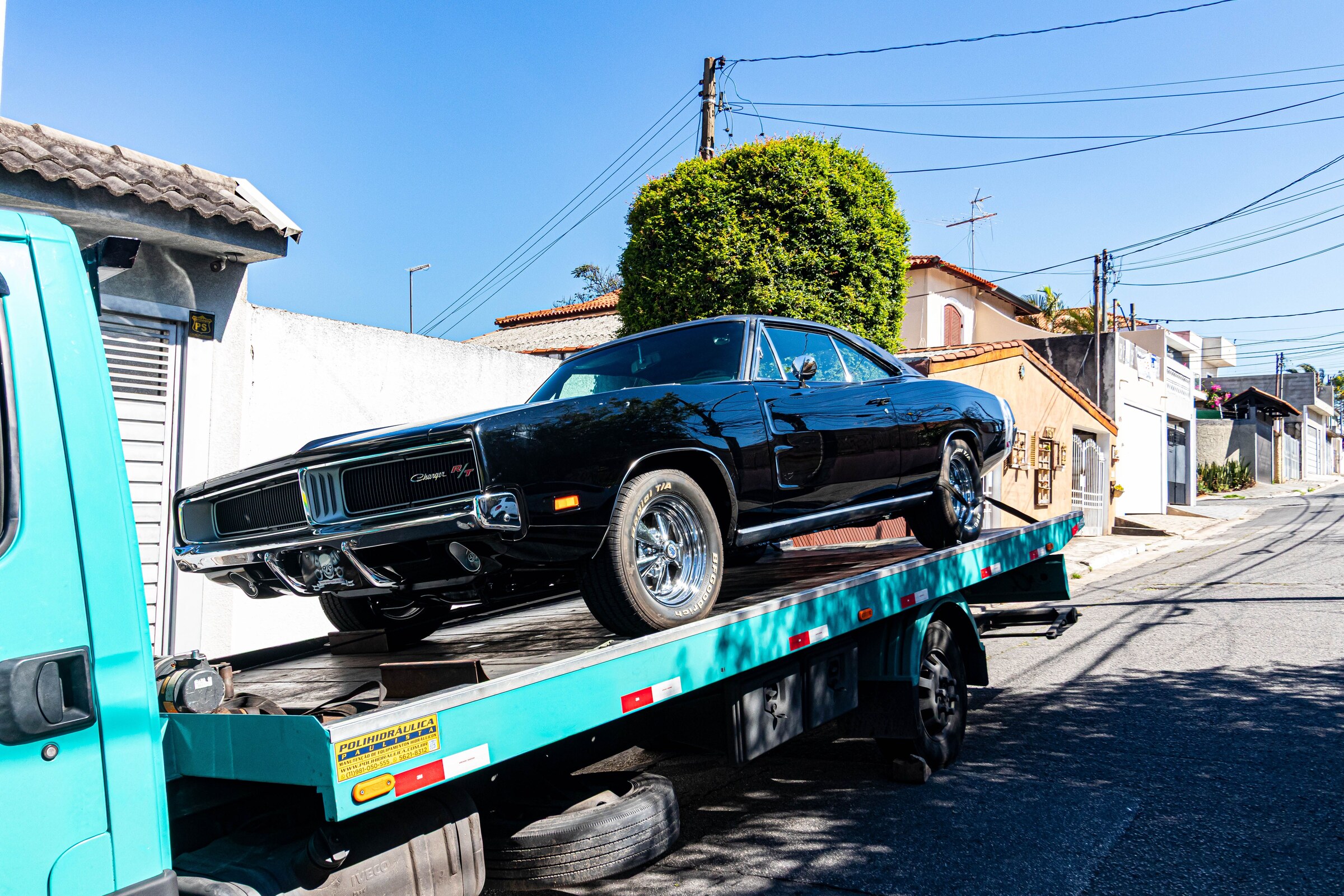
A junk car does not simply disappear after leaving the property. Responsible vehicle recycling follows an organized process designed to recover usable parts and materials while handling fluids safely.
The recycler first verifies the vehicle and its paperwork. Fluids such as gasoline, engine oil, coolant, transmission fluid and brake fluid are drained and managed separately. The battery, tires and certain electronic components also require appropriate handling.
Usable parts are identified for recovery. Depending on the vehicle, these include engines, transmissions, alternators, starters, wheels, doors, mirrors and interior components. Reusing a serviceable part extends its useful life and reduces demand for newly manufactured replacements.
After reusable items are removed, the remaining body is prepared for metal processing. Steel, aluminum, copper and other materials return to industrial supply chains rather than occupying landfill space. Recycling does not erase the environmental impact of manufacturing a vehicle, but it recovers material that still has practical value.
Common Mistakes Make the Process Harder
One frequent mistake is removing parts before requesting an offer. An owner may sell the battery, wheels or catalytic converter separately and discover that the incomplete vehicle is harder to transport and worth less to the yard. The full effect should be discussed before anything is removed.
Another mistake is spending money on repairs that do not improve the final return. Installing a new battery or replacing a failed starter rarely makes financial sense when the vehicle is being sold for parts and recycling. Basic cleanup is useful, but major repairs should be judged against the vehicle’s realistic market value.
Owners should also avoid accepting vague terms. A buyer should explain how the offer works, what paperwork is required and whether transportation affects the payment. A search for “sell junk car Naples FL” produces many choices, but clear answers are more useful than a large advertised figure with unexplained conditions.
A Prepared Seller Has a Smoother Handover
The sale of a junk car is a practical transaction. The owner wants to remove an unwanted vehicle, while the recycling yard needs accurate information to assess, transport and process it responsibly. Both sides benefit when the condition, ownership and arrangements are clear from the beginning.
The most efficient process starts with the vehicle’s details, continues with a realistic offer and ends with confirmed paperwork and pickup instructions. Owners using “sell junk car Naples FL” as their starting point should focus on transparency rather than speed alone. A careful handover protects the seller, supports responsible recycling and gives an old vehicle a useful final destination.

Matthew Wilde
Matthew Wilde is an automotive journalist with experience contributing to leading publications. He focuses on delivering clear, well-researched analysis of automotive industry news and vehicles. Growing up surrounded by a variety of cars, Matthew developed a strong foundation in automotive technology and design. His work emphasizes accuracy and depth, aimed at informing both enthusiasts and industry professionals with straightforward, precise reporting.
https://theweeklydriver.com/