
Selling a car is one of those tasks almost everyone does, yet few do well. Most people accept the first reasonable offer, or worse, the first lowball, simply to be done with it. That impatience is expensive. The gap between a carelessly sold car and a well-sold one is routinely in the thousands, and closing it does not take luck or special knowledge, just a methodical approach. Here is how to get the best price when you sell, whatever you drive and wherever you are.

Start With A Realistic Valuation
Everything begins with knowing what your car is actually worth, because you cannot negotiate well against a number you are guessing at. The most common mistake is pricing on sentiment, the figure you wish the car was worth, or on the loan balance, which has nothing to do with market value. Both lead to a car that either sits unsold or sells for less than it should.
Get grounded instead. Pull two or three independent online valuations, then look at what the same make, model, year and kilometres is genuinely selling for, not merely listed at, in the live market. Asking prices are aspirations; sold prices are facts. If several independent figures cluster within a narrow band, that cluster is your true market value and the anchor for everything that follows. Understand the factors moving the number too: high kilometres knock value down, reliable brands hold up better, condition and demand matter, and even colour plays a part, with neutral shades generally selling faster. Price with evidence and you negotiate from strength.
Presentation Does The Heavy Lifting
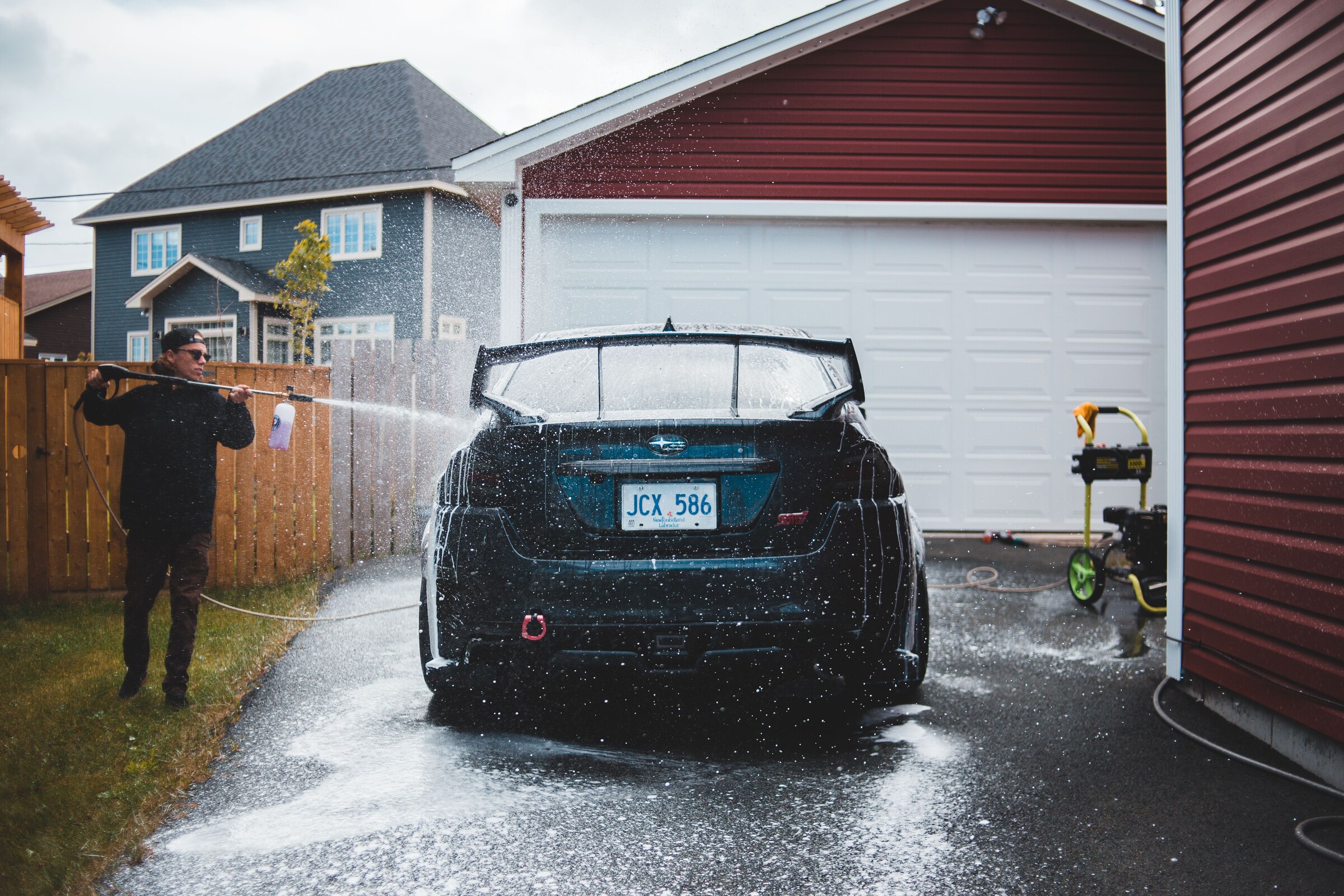
Buyers pay for confidence, and presentation is how you give it to them. A thorough clean, inside and out, is the highest-return hour you will spend, because a car that looks cared for commands both more money and faster offers. Deal with the cheap, obvious faults that make buyers nervous: a blown bulb, worn wiper blades, a missing floor mat, that warning light you have been ignoring. None costs much, and together they transform the impression.
Documentation is the other half of presentation, and it is quietly decisive. A complete service history is one of the few value levers entirely in your control, and it reliably lifts the price because it proves the car was maintained rather than neglected. Gather the logbook, both sets of keys, the owner’s manual and receipts for recent work like tyres or a timing belt. Then be honest in the listing. Disclosing a small scratch up front builds trust and heads off the awkward renegotiation when a buyer spots it in person. A car that presents as clean, complete and honest argues its own price.
Choosing The Right Channel
Where you sell matters as much as how you present the car, and the right channel depends on what you value most: price, speed or effort. A private sale almost always gets the highest headline figure because there is no middleman taking a margin, but it demands the most of you, writing the ad, screening buyers, arranging viewings, and waiting. Budget one to four weeks for a mainstream car. For a clean, in-demand vehicle and a patient seller, it rewards the effort.
A dealer trade-in is the opposite trade: minimal effort, lowest return. You fold the old car into your next purchase in one transaction, but the dealer resells at a profit, so you accept a figure below private-sale value. Between the two sits the instant buyer, which has reshaped how people sell. You get a firm offer fast and a guaranteed sale, usually for a bit less than a perfect private sale but more than a trade-in. The art is matching the channel to your priority honestly, rather than defaulting to whichever is easiest in the moment and quietly leaving money behind.
The Rise Of Instant Buyers
The fastest-growing channel worldwide is the instant car-buying service, and it is worth understanding even if you ultimately sell another way, because it sets a baseline that strengthens your hand everywhere else. The model is simple: enter your car’s details, receive an offer generated from live market data, and if you accept, the car is inspected and paid for quickly, often the same day. No strangers at your door, no haggling, no waiting on a buyer’s finance.
These services have sprung up in cities across the world. In Perth, Australia, for instance, drivers who search sell my car Perth will find licensed dealers who value any make or condition, come to the seller, handle the transfer paperwork and pay by bank transfer that clears in under a minute, even taking cars with finance still owing. The broader lesson for any seller is that a fast, firm instant offer is a powerful reality check. Get one, and you can measure every other offer against it, which is exactly the leverage that stops you accepting a lowball out of impatience. Whether you plan to sell my car to such a service or simply use its quote as a benchmark, it has made the market more transparent for everyone.
Negotiating Without Losing The Sale
If you do sell privately, the final few hundred dollars are won or lost in the negotiation, and the key is to negotiate from preparation rather than emotion. Decide in advance on two numbers: your asking price, pitched slightly above your target to leave room, and your walk-away floor, below which you will not go. With those fixed, you can field offers calmly instead of reacting on the spot.
Let the car and the documentation do the arguing. When a buyer pushes on price, point to the service history, the condition and the comparable sold prices rather than defending the number with bluster. Be willing to hold firm on a fair, evidence-backed price, because buyers respect a seller who knows their car’s worth, and a little patience often brings them back. At the same time, do not let ego cost you a good sale over a trivial sum. The goal is the best price the market will bear, not winning every dollar of a standoff. Know your floor, trust your evidence, and most negotiations resolve in your favour.
Timing Your Sale For A Better Price
Price is not only about the car; it is also about when you sell it. Demand for different vehicles rises and falls through the year, and selling into an upswing rather than a lull can add real money for no extra effort. Convertibles and sports cars sell best as the weather warms and buyers picture themselves with the roof down. Four-wheel drives and utes firm up ahead of touring and holiday seasons, when buyers are planning trips. Family cars stay relatively steady year-round, which gives their owners more flexibility.
Model cycles matter too. When a manufacturer announces a redesign or a new generation, values of the outgoing model can soften as buyers wait for the new one, so selling before that announcement rather than after protects your price. Keep an eye on the broader market as well, since a sharp move in fuel prices or interest rates can shift demand between vehicle types almost overnight. You cannot control these cycles, but you can read them and choose your moment. When you are ready, a buyer such as Sell My Car Pro can give you a firm offer quickly, so you act on good timing rather than watching a favourable window pass while a private sale drags on.
Frequently Asked Questions
These are the questions sellers ask most about getting the best price.
How Do I Find Out What My Car Is Really Worth?
Pull two or three independent online valuations, then check what the same make, model, year and kilometres is actually selling for, not just listed at. Sold prices are facts; asking prices are hopes. When several figures cluster together, that band is your true market value and the anchor for your asking price.
Does A Service History Really Increase A Car’s Value?
Yes, noticeably. A complete service history is one of the few value levers fully in your control, because it proves the car was maintained rather than neglected. It lifts both the price buyers will pay and their confidence, which also helps the car sell faster. Gather the logbook and receipts before you list.
Is It Worth Selling Privately Or Using An Instant Buyer?
It depends on your priority. A private sale gets the highest price but takes time and effort. An instant buyer gives you a firm, fast, guaranteed sale for a little less. A smart move is to get an instant offer as a benchmark even if you sell privately, so you can measure every other offer against it.
The Bottom Line
Getting the best price when you sell comes down to method, not luck: value the car against real sold prices, present and document it so it radiates confidence, choose the channel that matches your priorities, and negotiate from evidence with a floor you will not cross. Use an instant offer as your benchmark whatever route you take. Do these things and you reliably close the thousand-dollar gap between a car sold carelessly and one sold well.

Matthew Wilde
Matthew Wilde is an automotive journalist with experience contributing to leading publications. He focuses on delivering clear, well-researched analysis of automotive industry news and vehicles. Growing up surrounded by a variety of cars, Matthew developed a strong foundation in automotive technology and design. His work emphasizes accuracy and depth, aimed at informing both enthusiasts and industry professionals with straightforward, precise reporting.
https://theweeklydriver.com/