
A car accident in Idaho can create financial and practical challenges that extend well beyond vehicle repairs. Injured drivers and passengers may face ongoing treatment, lost wages, and uncertainty about how insurance companies will evaluate their losses. Whether a collision occurs on an Idaho highway or a city street, the records gathered afterward can influence how responsibility and compensation are assessed. Preserving evidence early helps establish the circumstances of the crash and the ways the resulting injuries have affected everyday life.
When questions arise about fault, insurance coverage, or the value of an injury claim, an Idaho car accident attorney can help clarify which evidence matters and how to document losses. Smith Horras PA Injury Attorneys can assist injured people in understanding the information needed to support a claim and evaluate their available options. Keeping records organized from the beginning makes it easier to address insurer questions and identify missing documentation before important details become difficult to recover.
Build the Crash Record
Start with the official crash report, then check names, locations, vehicle details, and witness information for errors. The report records an officer’s observations; it does not establish every fact or decide who caused the collision. Save the report number and request the completed report when available. Note any conflict with photographs, physical evidence, or a witness’s account.
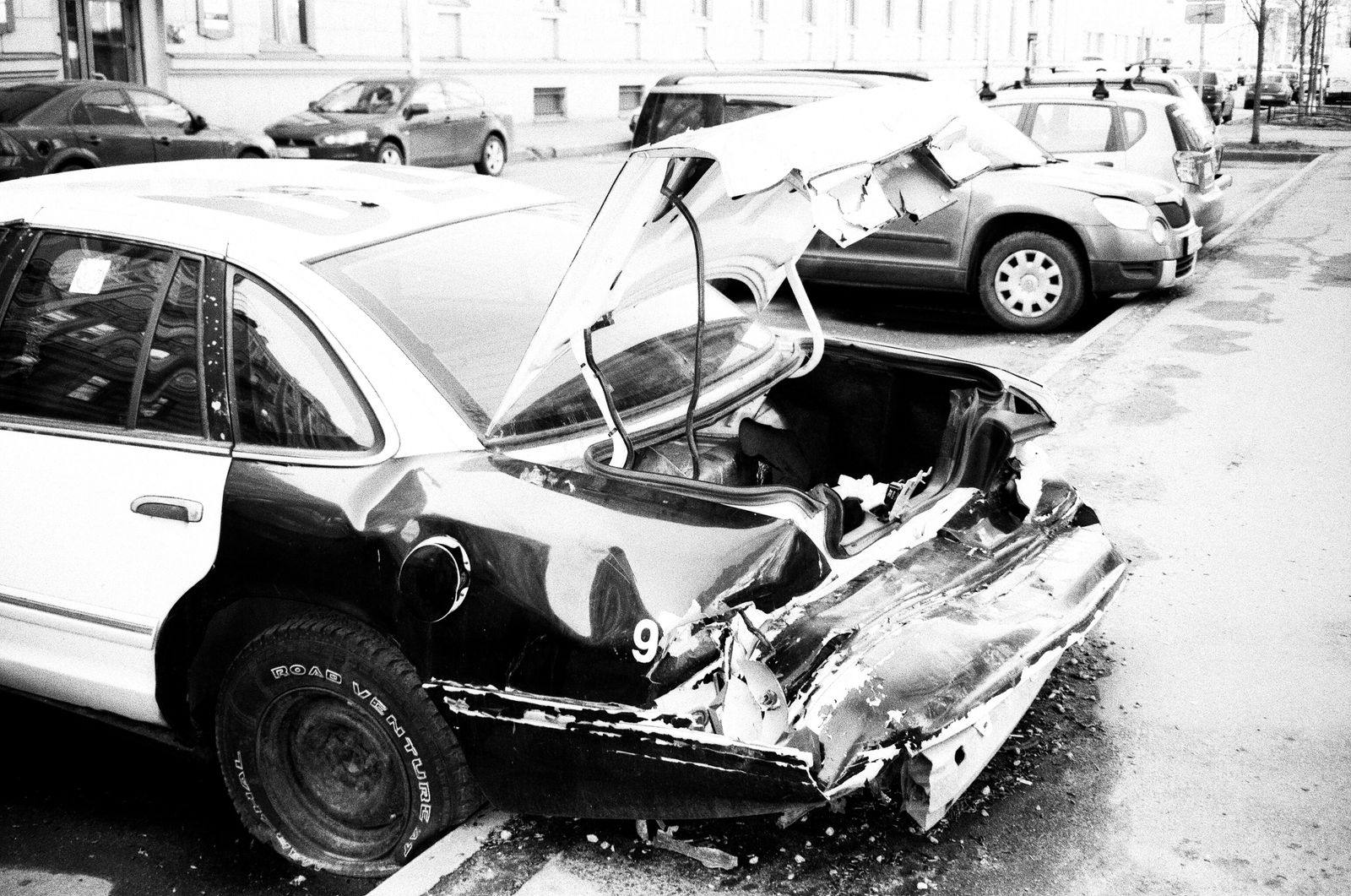
When it is safe, photograph vehicle positions, damage, road signs, traffic signals, skid marks, and visible injuries. Take wide shots of the location, then close-ups of specific damage. Record the date, time, weather, and direction of travel while details are fresh. Ask witnesses for their names and contact information, but do not pressure them to change or shape their accounts.
Keep digital copies, name the files clearly, and retain paper originals. A simple index helps the injured person find records and answer questions without relying on memory.
Connect Treatment to the Collision
Medical records document symptoms, diagnoses, treatment, and clinical findings. Seek care promptly, follow medical instructions, and describe symptoms accurately at each visit. If pain appears later or changes, tell the provider and ask that the timing be recorded. Gaps in care can raise questions about whether the crash caused the condition or another event explains it.
Keep itemized bills, prescription receipts, mileage notes for medical trips, and records of missed work. Ask the employer to confirm missed dates, pay rate, and lost hours in writing. For future treatment or reduced work capacity, rely on a qualified provider’s documented opinion rather than an unsupported estimate. These records distinguish proven financial losses from general descriptions of hardship.

Show How the Injury Affected Daily Life
Some losses do not come with invoices. Keep a dated journal of limits on sleep, household tasks, driving, or recreation, and describe them plainly. Family members or coworkers can record changes they observed, such as help with routine tasks or missed responsibilities. Specific, consistent details help others assess nonfinancial harm.
Preserve Digital and Vehicle Evidence
Dash-camera footage, nearby business video, and phone records can clarify timing, movement, and impact. Request that footage be preserved quickly because some systems overwrite recordings on short cycles. Do not assume a business will keep video without a request. Keep original files when possible and make a separate backup. Editing or compressing a file can remove metadata or weaken its evidentiary value.
Vehicle damage also provides evidence. Keep repair estimates, invoices, towing records, and photographs taken before repairs. If the vehicle needs prompt repairs, ask the shop to photograph concealed damage during disassembly and retain replaced parts when practical. In a serious or disputed collision, a qualified reconstruction professional can analyze physical evidence. The analysis must rely on reliable records and inspection.
Account for Responsibility and Coverage
Insurers examine whether another party caused the crash and whether the injured person contributed to it. Give a complete, accurate account, and do not guess when a detail is uncertain. Avoid minimizing an injury or speculating about fault in a recorded statement before reviewing the facts. Keep relevant messages and insurance letters, and record the date and substance of every call.
A coverage review can identify policies beyond the at-fault driver’s insurance, including applicable uninsured or underinsured motorist coverage. The policy language, available limits, and facts determine what applies. Keep each policy and claim document, and do not treat an adjuster’s initial position as the final claim value. A written demand should connect each requested amount to supporting evidence.
Conclusion
An injury claim gains credibility when each part of the account has support: crash records address liability, medical documentation traces the injury, and financial records show measurable loss. Preserve original evidence, organize it by date, and fill gaps while records remain available. Before accepting a settlement, compare its terms with documented treatment, lost income, and expected care. A complete file gives decision-makers a clear basis for assessing compensation and helps the injured person make an informed choice.

Matthew Wilde
Matthew Wilde is an automotive journalist with experience contributing to leading publications. He focuses on delivering clear, well-researched analysis of automotive industry news and vehicles. Growing up surrounded by a variety of cars, Matthew developed a strong foundation in automotive technology and design. His work emphasizes accuracy and depth, aimed at informing both enthusiasts and industry professionals with straightforward, precise reporting.
https://theweeklydriver.com/