
A serious car wreck can leave drivers facing more than vehicle repairs and immediate medical bills. Lost income, rehabilitation, follow-up appointments, and reduced ability to manage daily responsibilities can create financial pressure long after the collision. In Oakland, provisional 2025 data recorded 5,566 traffic crashes, including 2,090 injury crashes and 29 fatal crashes. The city’s High Injury Network also identifies just 8% of Oakland streets as locations associated with 60% of severe and fatal collisions, highlighting the risks drivers face on certain roads.

The full cost of a crash may emerge gradually, especially when brain injuries, spinal cord damage, or persistent pain affect work and family life. An Oakland car accident lawyer may help injured drivers assess their losses, document medical needs, and pursue compensation for eligible damages. These concerns also connect to broader personal injury matters, including automobile accidents, slip-and-falls, severe spinal cord injuries, brain injuries, and wrongful death. Recognizing both immediate expenses and future financial needs can help protect a claim’s value. A closer look at these hidden costs shows why careful documentation and timely legal guidance can make a meaningful difference.
Medical Costs Continue After the Crash
Emergency treatment is often the first expense, but recovery can require months of additional care. Follow-up visits, diagnostic imaging, physical therapy, medication, surgery, and medical equipment can quickly increase the total.
A settlement offer made soon after a collision may rely on incomplete medical information. Some injuries become clearer only after symptoms persist or doctors identify lasting limitations. Medical records, bills, treatment plans, and physician opinions help connect these costs to the crash.
An injured driver who needs help assessing a claim can consult a car accident lawyer from an established firm like California Trial Law Group before discussing settlement terms. Legal counsel can review medical records, income losses, insurance communications, and available evidence. That review helps identify expenses an initial offer may leave out and prevents a rushed decision based on early bills alone.
Lost Income Can Exceed Immediate Bills
A serious injury can keep a driver away from work for days, weeks, or longer. Lost wages include missed shifts, reduced hours, unpaid leave, and canceled work opportunities. A person who cannot perform the same duties after returning may also lose future earning capacity.
Documentation should cover pay stubs, tax records, employment schedules, disability notes, and written information from an employer. Self-employed workers may need contracts, invoices, account records, or prior earnings statements to show the effects of a person’s injury on business income.
A lasting injury can also affect promotions, overtime, physical duties, and retirement contributions. The financial effect therefore continues even after the injured person receives the first paycheck following the crash.
Household Expenses Can Rise Unexpectedly
Injured drivers often pay for tasks they could previously handle themselves. These costs can include transportation, child care, meal preparation, cleaning, lawn work, and assistance with personal tasks.
Family members sometimes provide unpaid care, but that does not reduce the value of the support. A detailed record should identify the task, the date, the time spent, and the person who provided assistance. Receipts and written estimates can support paid replacement services.
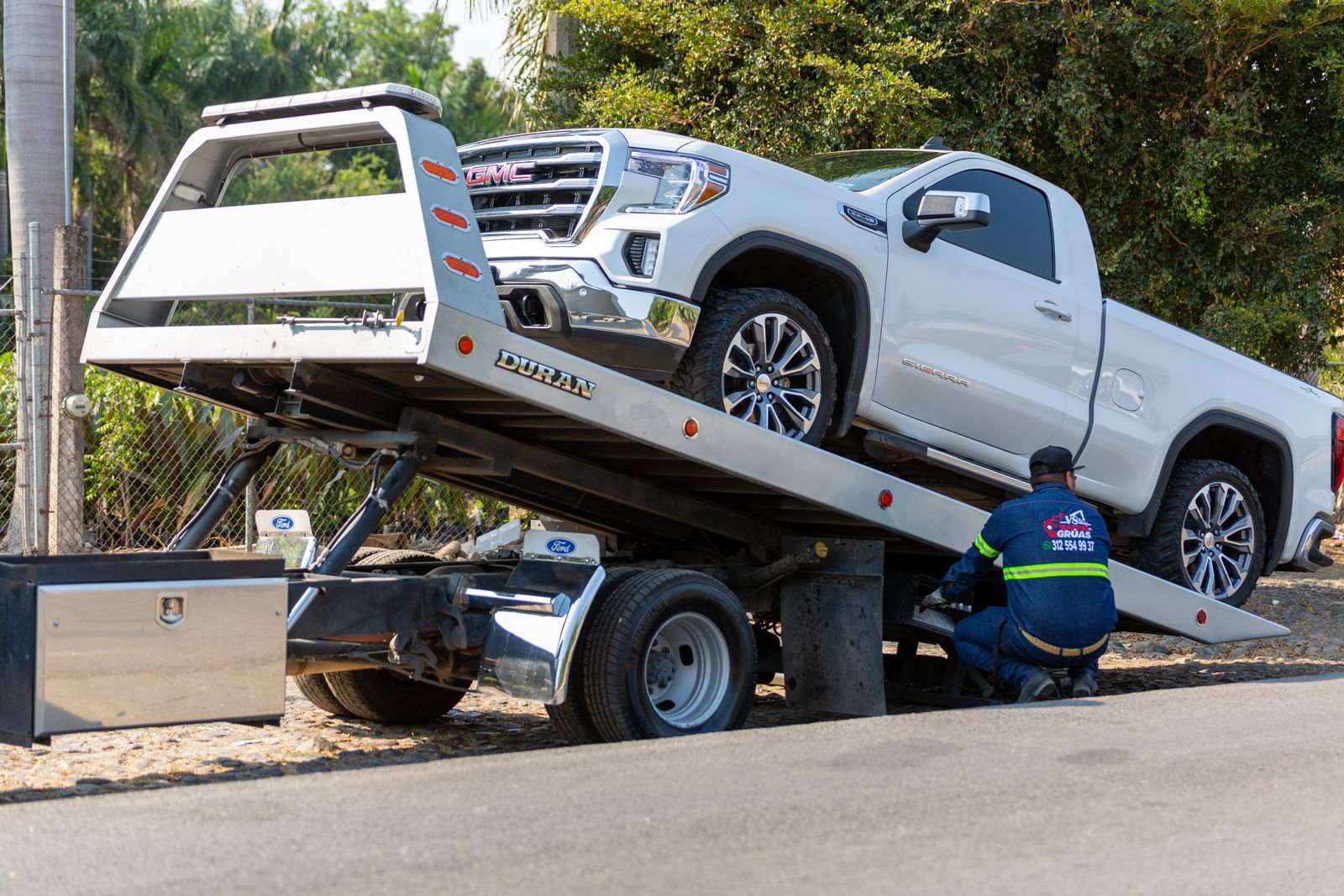
Transportation creates another expense. A damaged vehicle may require rental fees, rideshare charges, towing, storage, or repairs. Keeping receipts helps separate ordinary spending from costs the injured person incurred due to the collision.
Insurance Disputes Can Reduce Recovery
An insurer may question whether treatment was necessary, whether an injury existed before the crash, or whether the driver caused part of the collision. California’s comparative negligence rules can reduce compensation when an injured person is assigned a percentage of fault.
Recorded statements and broad medical authorizations can create problems when they offer an insurer unnecessary information. A driver should review requests carefully and avoid guessing about pain, speed, fault, or recovery time.
The other driver’s policy limit can also restrict payment, especially after a crash involving several injured people. Uninsured or underinsured motorist coverage may provide another source of compensation, depending on the policy and facts.
Evidence Protects the Full Claim
Prompt documentation gives a clearer picture of the financial harm. An injured driver should preserve photographs, police information, medical records, bills, wage records, repair estimates, and communications with insurers.
A daily symptom and expense log can show how an injury affects sleep, movement, work, and household duties. It can also record mileage for medical appointments, prescription costs, and days missed from employment.
Witness contacts, vehicle photographs, traffic camera information, and other scene evidence can support liability. Evidence can disappear as vehicles move, surveillance footage is overwritten, or memories become less precise.
Settlement Decisions Require Careful Review
A settlement usually requires a release that ends claims related to the crash. Once signed, that document can prevent additional payment for later treatment or newly recognized losses.
Before accepting an offer, an injured driver should compare the amount with current bills, projected care, lost income, household assistance, property damage, and applicable insurance coverage. The driver should also understand outstanding medical liens and how payment deductions affect the final amount.
Conclusion
Hidden crash costs often appear after the first ambulance bill arrives. Medical treatment, lost income, replacement services, transportation, and reduced future earnings can shape the actual value of an injury claim.
An injured driver should keep every receipt, request complete employment records, follow medical advice, and avoid signing a release before reviewing future expenses. A prompt legal review can identify missing losses and clarify which insurance policies may contribute to recovery.

Matthew Wilde
Matthew Wilde is an automotive journalist with experience contributing to leading publications. He focuses on delivering clear, well-researched analysis of automotive industry news and vehicles. Growing up surrounded by a variety of cars, Matthew developed a strong foundation in automotive technology and design. His work emphasizes accuracy and depth, aimed at informing both enthusiasts and industry professionals with straightforward, precise reporting.
https://theweeklydriver.com/