
Hyundai is recalling 17 vehicles after discovering that some wheel lug nuts may have left the factory insufficiently tightened. All 17 are 2026 models built in August. The number is small, but the fault is serious: a wheel that works loose while the car is moving could separate from the vehicle.
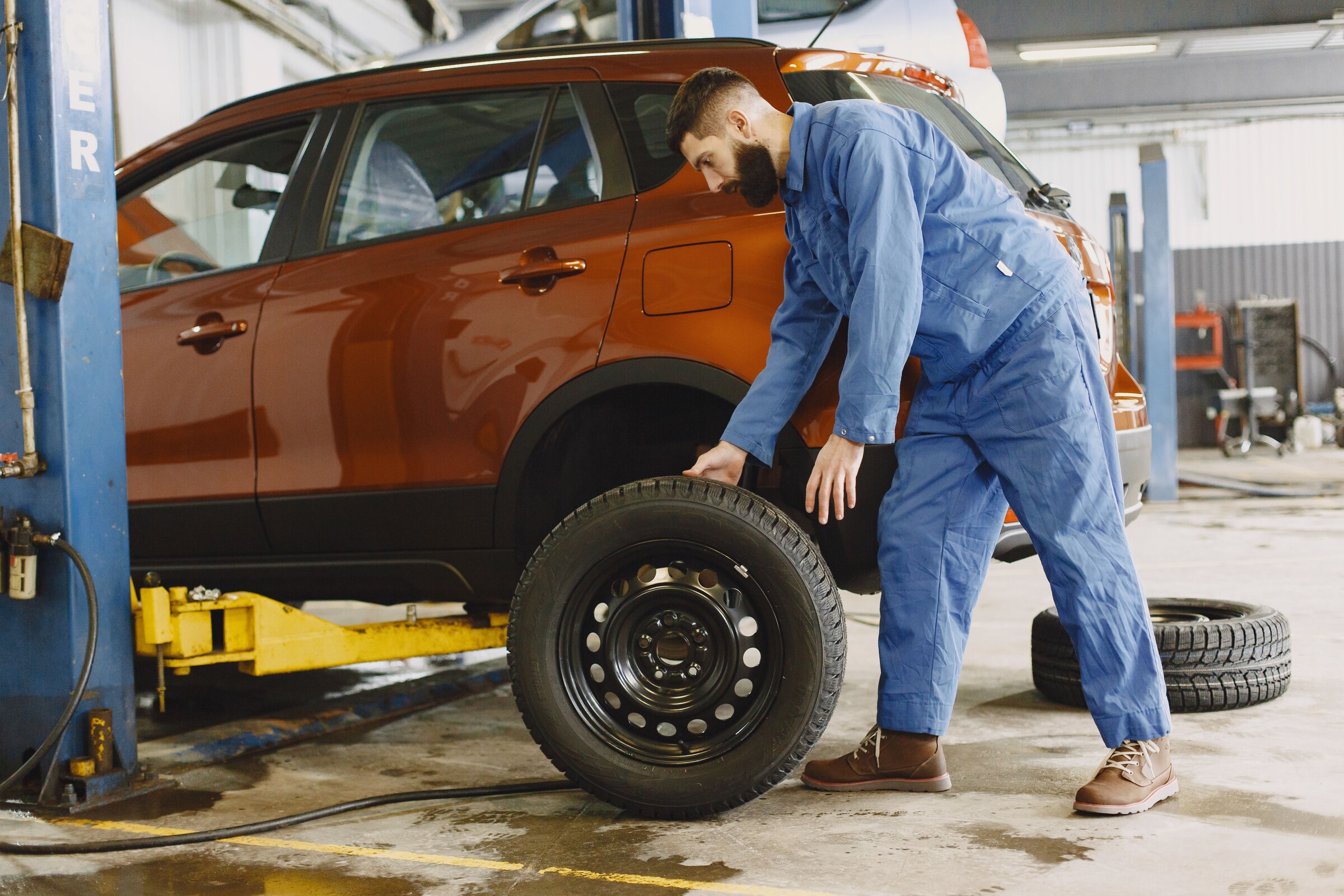
The same step matters every time a tire shop refits a wheel.
How the Hyundai Recall Happened
Filed October 20, 2026, the recall is NHTSA campaign 26V693000, or Hyundai campaign 310.
It covers eight Venues, four Elantras, four Elantra Hybrids and one Elantra N. After equipment changes at its Ulsan factory, Hyundai used a temporary manual wheel-tightening procedure that didn’t consistently bring the nuts to specification.
Dealers will inspect and tighten the nuts, replacing the hub bearing assembly if necessary, free of charge. Owner notification letters are expected December 19.
A Wheel Can Look Fine and Still Be Loose
Wheel nuts hold the wheel firmly against the hub. When they’re tightened correctly, the clamping force keeps the assembly secure through braking, cornering and everyday road vibration. An under-tightened nut can gradually back off. Excessive tightening can damage the studs or threads.
Routine tire pressure and tread depth checks are useful, but they won’t reveal a loose lug nut. A wheel can look perfectly normal from the outside.
A tire shop may use an impact wrench to speed up removal and installation. That doesn’t tell you whether the final tightening matches the car’s specification. The torque setting needs to be checked, rather than guessed from the feel or sound of a power tool.
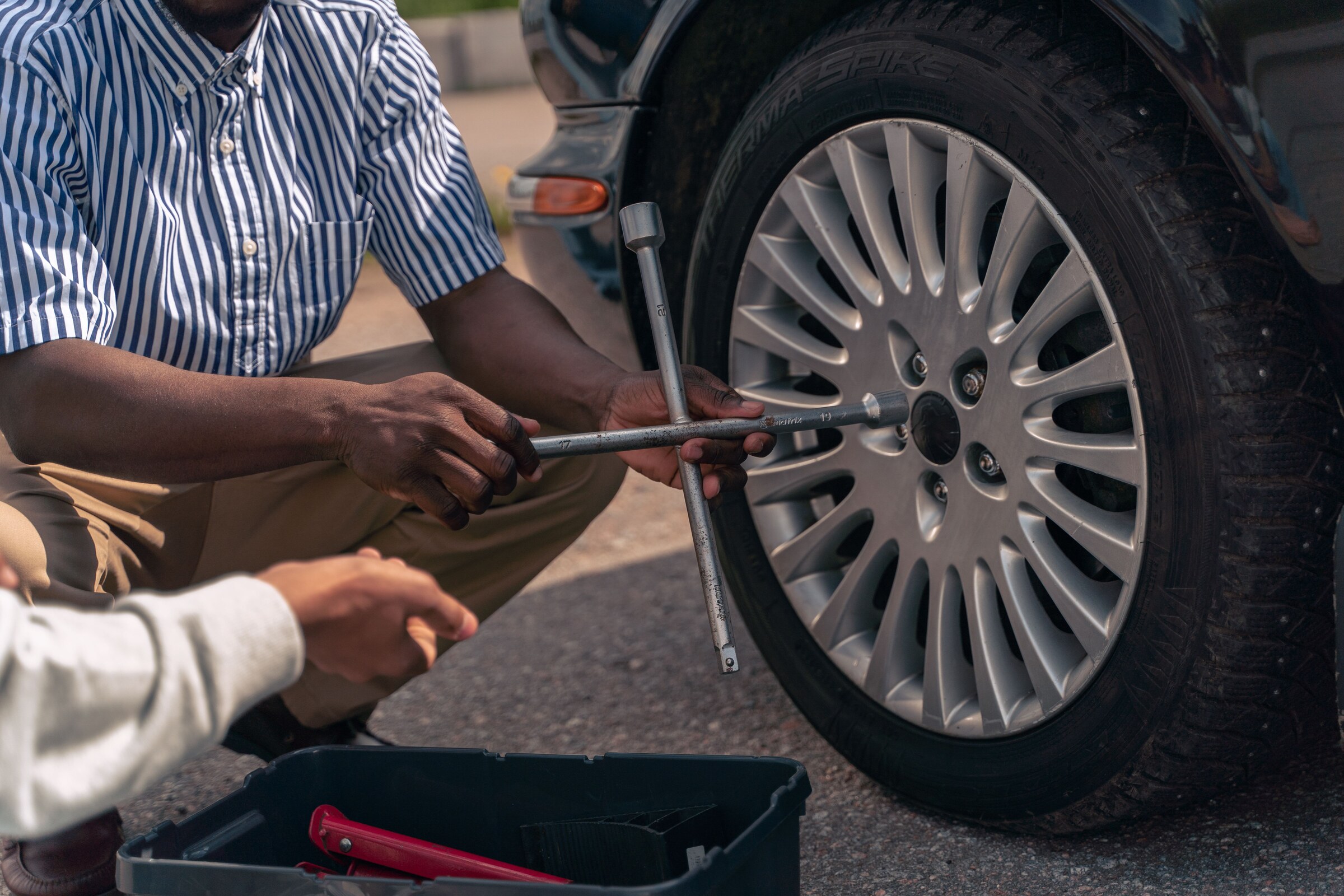
The Part a Torque Wrench Plays
For anyone changing wheels at home, a wrench with a working range that suits the vehicle’s specified setting matters more than the maximum it can reach. Budget and mid-price click wrenches landed equally close to spec in one comparison of the best torque wrenches, tested on a real car.
Lug nuts should be started carefully so the threads engage properly. Follow the tightening order in the vehicle’s service instructions, usually a crisscross pattern, and use the specified torque for the final pass. With a click-type wrench, stop applying force when it clicks. Continuing to pull can overtighten the fastener.
That final check can’t undo damage from a nut previously forced on incorrectly. A stripped thread or damaged stud calls for repair, not a second attempt with a longer wrench.
Three Questions After a Tire Change
When you collect your car after a tire change, ask how the wheels were tightened. Three details are worth checking:
- Was the final tightening checked with a torque wrench? An impact wrench alone doesn’t establish the finished torque.
- Which torque specification was used? It should come from the requirements for your vehicle and wheels, rather than a number used for every car in the shop.
- Is a follow-up check recommended? Ask whether the wheel installation calls for the nuts to be checked again after some driving.
If a wheel starts knocking or the car develops an unusual vibration after tire work, find a safe place to stop and arrange for an inspection. Driving farther to see whether it clears up could make things worse.
What Affected Hyundai Owners Should Do
Owners can enter their VIN to check for open vehicle recalls. Newly announced campaigns may take some time to appear in the lookup, so a Hyundai dealer is another option for confirming whether campaign 310 applies.
If the car is affected, book the dealer inspection rather than tightening the nuts at home and assuming the recall is resolved. The technician also needs to check whether the wheel hardware or hub assembly has been damaged. There’s no reason to wait for the December letter once coverage has been confirmed.
For a routine tire change, ask the shop which torque specification it used and whether the nuts should be checked again after driving. Keep the answer with the service receipt.

Matthew Wilde
Matthew Wilde is an automotive journalist with experience contributing to leading publications. He focuses on delivering clear, well-researched analysis of automotive industry news and vehicles. Growing up surrounded by a variety of cars, Matthew developed a strong foundation in automotive technology and design. His work emphasizes accuracy and depth, aimed at informing both enthusiasts and industry professionals with straightforward, precise reporting.
https://theweeklydriver.com/