
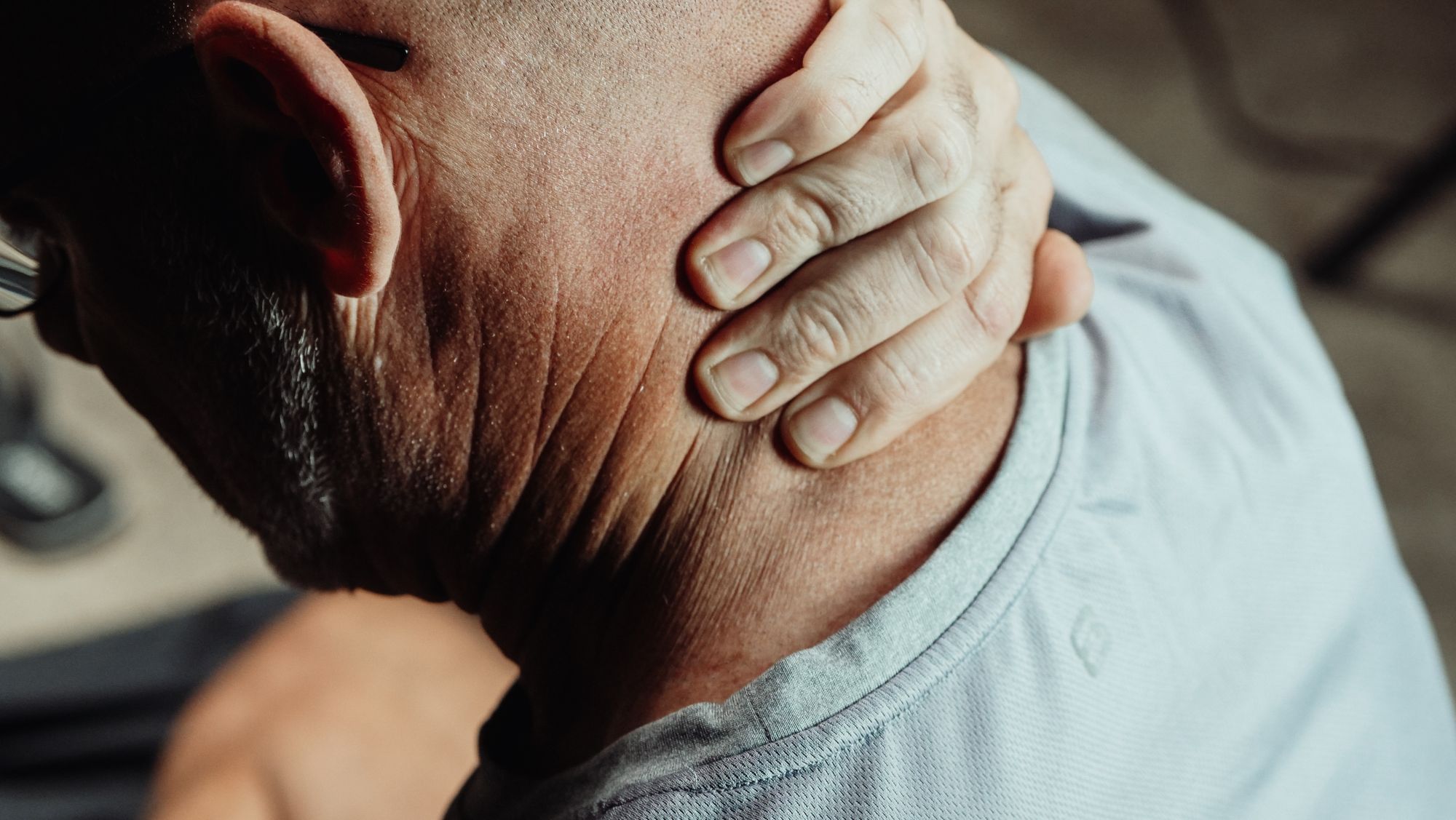
You walk away from a low-speed collision near the Aventura Mall garage feeling fine, trade information, and drive home. Four days later, your neck will not turn and your head aches by lunchtime. That delay is ordinary medicine and terrible timing, because Florida’s deadlines started running at the crash rather than at the symptom. Most people find a car accident lawyer in Aventura somewhere in that second week, once the pain arrives and the coverage questions start piling up.
Why Real Injuries Stay Quiet for Days
Your body hides damage on purpose right after an impact. Adrenaline and cortisol flood your system, blunt the pain signals, and keep you upright long enough to swap insurance details and move the cars. Swelling and inflammation then build steadily over the next 24 to 72 hours, which is usually when the real symptoms finally show up.
- Whiplash – neck stiffness that peaks two or three days out
- Concussion – headaches, fog, and nausea with no visible wound
- Disc injury – back pain and numbness spreading down an arm
- Internal bleeding – belly pain or bruising that appears late
The 14-Day Clock Starts Before You Feel Anything
Florida pays your first medical bills through personal injury protection, no matter who caused the crash. Under section 627.736, those benefits apply only if you receive initial services and care within 14 days after the motor vehicle accident. The clock runs from the crash date, and nothing in the statute pauses it while you wait to see how you feel.
That design punishes the most reasonable instinct people have. Somebody who feels fine on day one and sore on day ten still has four days left, while somebody who waits a full two weeks has nothing at all. A single urgent care visit in the first week protects the benefit even when the exam turns up nothing much that day.
A Late Diagnosis Can Cap Your Benefits at $2,500
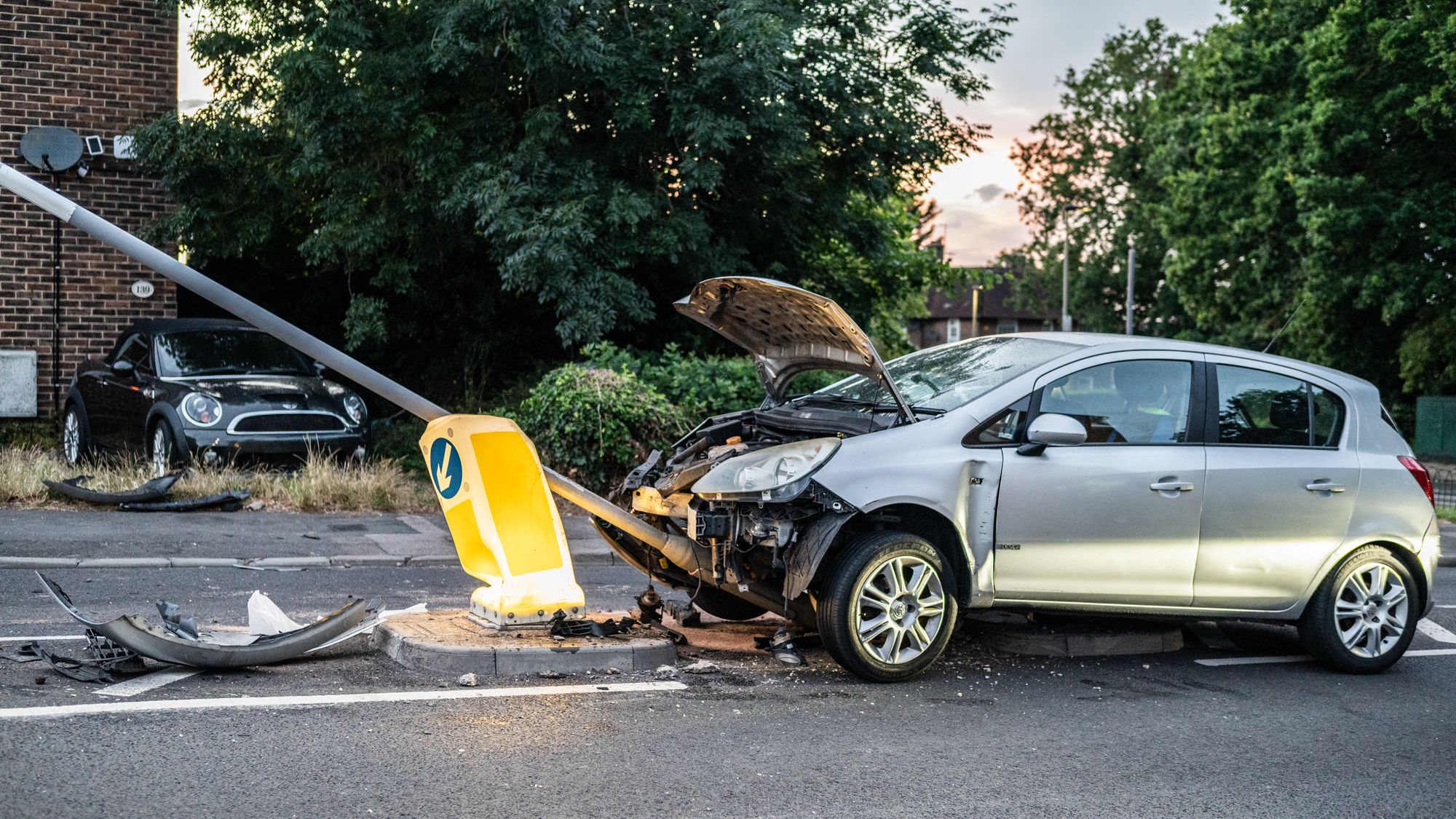
Beating the deadline is only half the job. That same section pays up to $10,000 in medical and disability benefits when a physician, dentist, physician assistant, or advanced practice registered nurse determines you had an emergency medical condition. If a provider decides you did not have one, the law caps your reimbursement at $2,500.
Delayed symptoms make that finding much harder to get. A patient who looks fine on day two hands the provider very little to document, so the emergency medical condition determination often never happens at all. Going back once the pain develops, and making sure the new findings land in your file, is what separates $10,000 of coverage from $2,500.
Slow to Appear Does Not Mean Minor in Court
Insurers treat late symptoms as weak symptoms, and Florida law does not agree with them. Section 627.737(2) allows pain and suffering damages where the injury brings permanent loss of an important bodily function, permanent injury within a reasonable degree of medical probability, significant and permanent scarring or disfigurement, or death. Nothing on that list asks what day the pain started.
Herniated discs and brain injuries prove the point. Both frequently go undiagnosed for weeks, and both can qualify as permanent once imaging and follow-up testing catch up with the symptoms. You also have room to get there, since section 95.11(4)(a) gives two years from the date of the injury to file a negligence suit for claims accruing after March 24, 2023.
Proving a Crash Caused Something You Felt Later
Causation becomes the real fight in almost every delayed-injury claim. The adjuster will suggest the herniation came from the gym, from yard work, or from the fifteen years of ordinary wear before the crash. Treatment gaps weaken a claim, because every unexplained day between impact and first exam is a day an insurer gets to point at.
- Same-week exam – even a brief visit anchors the timeline
- Mechanism noted – ask the provider to write down the crash
- No long gaps – keep the appointments once treatment starts
- Daily notes – short entries on pain and what you cannot do
Your Body and the Statute Keep Different Clocks
Medicine measures an injury by the day it surfaces. Florida measures a claim by the day the crash happened, and those two clocks almost never line up. That mismatch, rather than the injury itself, is what quietly costs people their coverage after the minor-looking collisions that fill Aventura parking garages. Anyone noticing new pain in the second week after a crash should get examined first and sort out the paperwork afterward, then have a Florida injury attorney check which deadlines are still open.

Matthew Wilde
Matthew Wilde is an automotive journalist with experience contributing to leading publications. He focuses on delivering clear, well-researched analysis of automotive industry news and vehicles. Growing up surrounded by a variety of cars, Matthew developed a strong foundation in automotive technology and design. His work emphasizes accuracy and depth, aimed at informing both enthusiasts and industry professionals with straightforward, precise reporting.
https://theweeklydriver.com/