
Getting hurt in an Uber or another rideshare vehicle can leave you dealing with medical bills, missed work, and a lot of questions. If you do not have health insurance or your own auto policy, you might worry that you will have to pay for everything yourself. Before assuming that is the case, an Uber passenger injury lawyer can help you understand what coverage might apply to your situation. Depending on the circumstances, insurance carried by the rideshare driver or provided through the app may help cover your losses. The details of the crash, the driver’s status, and the policies involved will all matter.
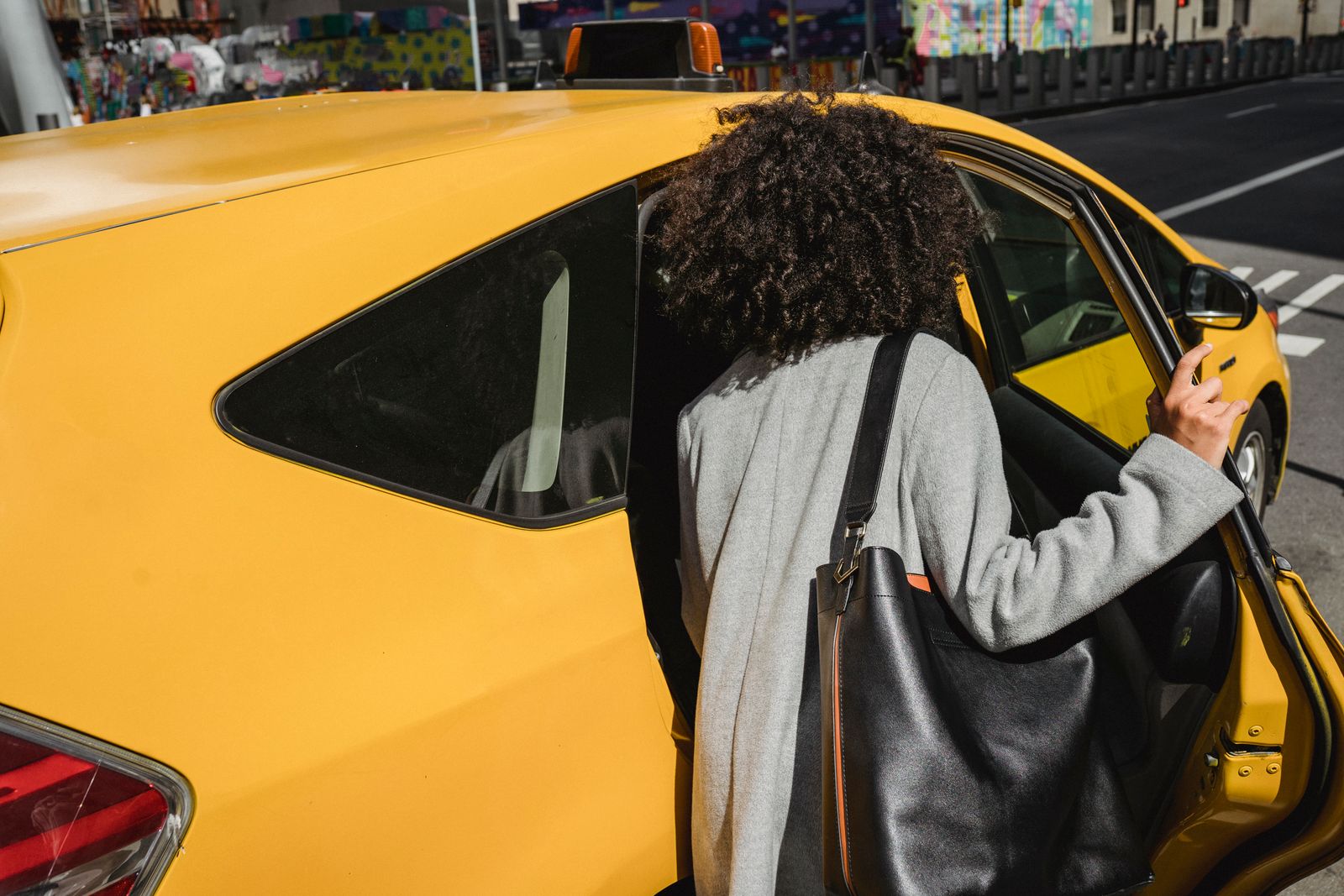
You May Have Coverage Even Without Your Own Insurance
Passengers sometimes assume that not having an insurance policy of their own leaves them with few options after a crash. That is not necessarily true. If you were riding in an Uber when another vehicle hit you, the other driver’s liability insurance may cover your injuries if that driver was responsible. If your Uber driver caused the crash, the driver’s insurance or the coverage available through Uber may come into play.
You do not usually need to own a car or carry an auto policy to pursue a claim against the person responsible for injuring you. However, the rules depend on where the crash happened, who was at fault, and the insurance policies involved. Health insurance, if you have it, may also help with immediate medical expenses, although deductibles and other costs can still apply. It is worth finding out which options are available rather than deciding you have no claim.
How Uber’s Insurance Coverage Works
Uber maintains insurance arrangements that can apply when drivers use the platform, but the available coverage depends partly on what the driver was doing when the crash occurred. A driver who is carrying a passenger on an accepted trip generally has access to different coverage than someone who has the app switched off. The distinction matters because a driver’s personal auto policy may limit or exclude coverage for certain rideshare activities.
In the United States, Uber generally provides substantial third-party liability coverage during an accepted trip, subject to the applicable policy terms and state law. Depending on the circumstances, coverage may also include the following:
- uninsured motorist coverage
- underinsured motorist protection
- certain types of first-party benefits
These protections are not identical in every location, and eligibility requirements can apply. The fact that a trip was booked through the app does not automatically mean every expense will be paid.
What If Another Driver Caused the Crash?
You may have a claim against another motorist if that person caused the collision while you were riding in an Uber. For example, another driver might run a red light and strike the vehicle you are in. In that situation, the other driver’s liability insurance may be responsible for compensating you for covered losses, including medical expenses and lost income.
Problems can arise when the at-fault driver has no insurance or does not carry enough to cover the damage. Depending on the location and the policy terms, uninsured or underinsured motorist coverage associated with the rideshare trip may provide another route to compensation. The availability of this coverage depends on the applicable insurance arrangement and legal requirements. Do not assume it applies automatically, but do ask about it when you report the crash.

What Expenses Might Be Covered?
A passenger injury claim may include more than the first hospital bill. Depending on the facts and applicable law, compensation could cover the following:
- follow-up appointments
- physical therapy
- prescription medication
- lost wages
- other costs linked to the injury
If the injury affects your ability to work or carry out everyday activities, those consequences may also be relevant to the claim.
Keep copies of medical bills, receipts, appointment records, and any paperwork showing time missed from work. Take photos of visible injuries if you can, and save the trip details from the rideshare app. It also helps to write down what you remember about the collision while the details are still fresh. These records can help support your account of what happened and the expenses you have faced.
Steps to Take After a Rideshare Accident
Get medical attention as soon as you can, even if you initially think your injuries are minor. Some symptoms take hours or days to appear, and medical records can help connect your injuries to the crash. Here’s what to do:
- report the incident through the rideshare app
- keep a copy of any messages
- note claim information you receive
- collect the driver’s details
- get contact information from any witnesses
Be careful about accepting a quick settlement before you understand the extent of your injuries. An early payment may not account for treatment you need later. On top of that, signing a release can limit your ability to seek additional compensation, which is troublesome especially if you develop issues later on. If an insurer disputes responsibility or tells you that no coverage applies, ask for an explanation in writing. You can then review your options before agreeing to anything.
Final Word
Not having your own insurance does not automatically leave you responsible for every cost after a rideshare crash. The driver’s policy, Uber’s coverage, or insurance held by another driver may help pay for your injuries, depending on the facts and the rules where the accident occurred. An Uber passenger injury lawyer can review the circumstances and help you identify the coverage and compensation you may be entitled to pursue. Keep your records, get the medical care you need, and find out what options are available before giving up on a claim.

Matthew Wilde
Matthew Wilde is an automotive journalist with experience contributing to leading publications. He focuses on delivering clear, well-researched analysis of automotive industry news and vehicles. Growing up surrounded by a variety of cars, Matthew developed a strong foundation in automotive technology and design. His work emphasizes accuracy and depth, aimed at informing both enthusiasts and industry professionals with straightforward, precise reporting.
https://theweeklydriver.com/