
Swap the wheels on a Telluride, and you change the whole personality of the thing. Eighteens make it look ready for a campsite. Twenty-twos make it look like it belongs in a hotel valet line.
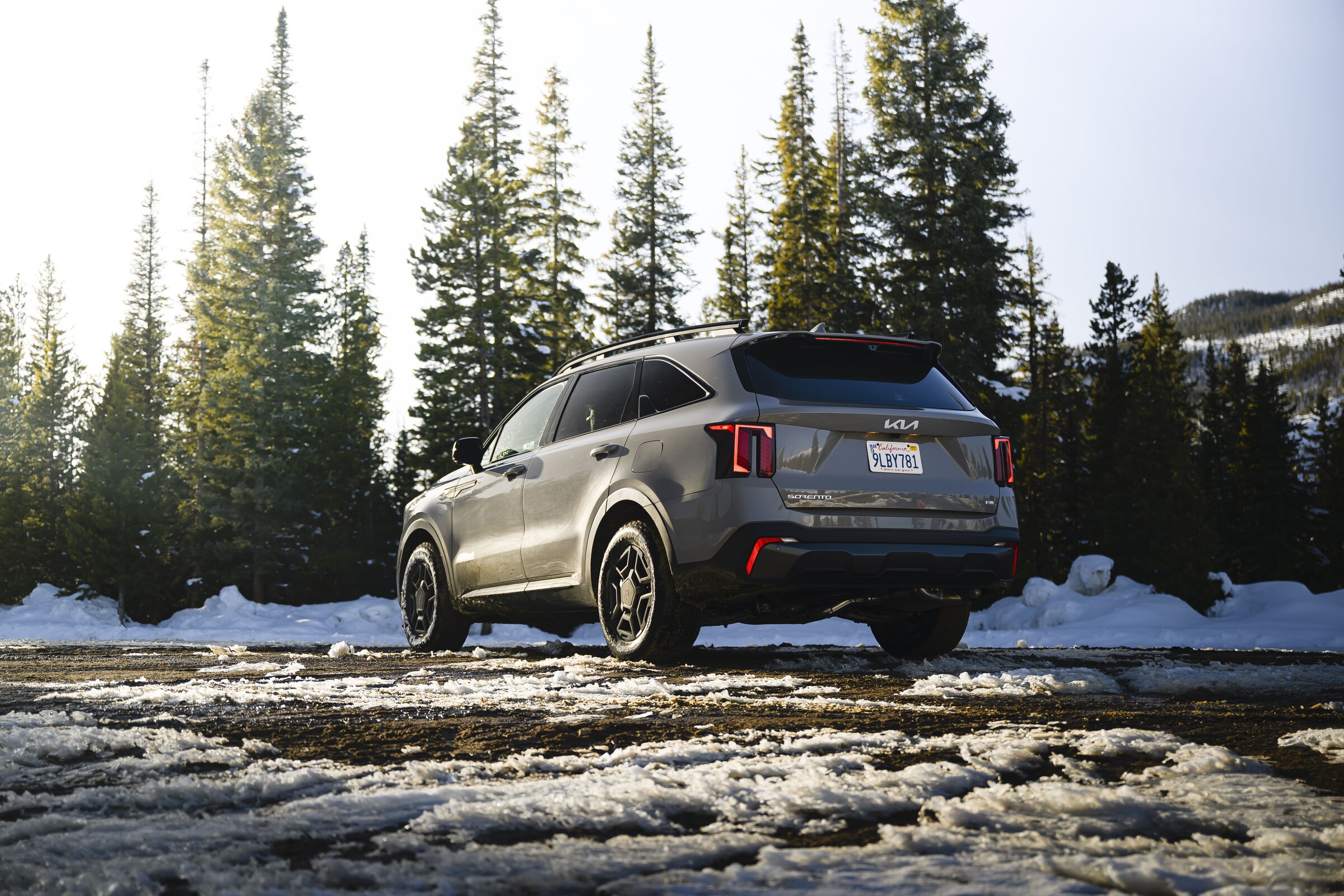
Fitment isn’t really the question, then. What matters is how you drive and what you want to see when you walk up to it in the driveway.
Most people end up shopping between 18 and 22 inches. Our short answer? Twenties for most of us, 18s if you’d trade looks for comfort, 22s if looks win. There’s a 21-inch wheel in play on the redesigned 2027 too, so stick around for that.
What Kia Already Does
Before you spend a dime on aftermarket wheels, look at what Kia itself has done.
The 2020 to 2022 Telluride came on 18s or 20s, and those stayed on the menu through 2025. The X-Pro got black 18s with all-terrain tires, which is the look half the internet is trying to copy.
For 2027, Kia widens it to 18, 20 and 21 inches. X-Line models get the 21s. The X-Pro keeps 18s, this time with 255/60R18 all-terrain tires.
So Kia can’t agree on one “right” size either. Smaller wheels when the vehicle’s meant to be tough and comfortable, bigger ones when it’s meant to turn heads. Steal that logic.
18-Inch Wheels: For Rough Roads and Rugged Looks
Snow, potholes, gravel, a trunk full of camping gear? Eighteens are your friend.
A smaller wheel means a taller tire sidewall, and that sidewall is doing real work. It takes the sting out of bad pavement before the jolt reaches you or anyone in the back row.
It also gives you that X-Pro look. Dark wheels, plain spokes, all-terrain rubber. The Telluride stops looking like a big crossover and starts looking like something you could actually take up a fire road.
Kia ran 18-inch KMC716 wheels with BFGoodrich All-Terrain T/A KO2 tires on a modified Telluride X-Pro for the Rebelle Rally. T
That was a promo build, not a factory recommendation, but it proves how well the idea works, so KMC is an obvious name to start with.
Black Rhino is another. Chunky spokes, dark finishes, plenty of visual weight to sit next to a tall tire. Fuel, Raceline and Fifteen52 show up in this part of the market a lot too.
The catch is simple. Eighteens don’t fill those big wheel openings the way larger sizes do. If your Telluride never leaves clean pavement and you’d rather have the premium look than the extra rubber, go up a size.
20-Inch Wheels: Where Most People Should Land
Twenties are the sweet spot. We’d say that to almost anyone with a family daily driver.
They’re big enough to make the Telluride look finished, and you’re not forced onto a skinny sidewall to get there. They’re also a very common SUV size, so wheel and tire choices are everywhere.
Go subtle or go fancy. Either way, you keep the comfort that made you buy a Telluride in the first place.
Want to keep the factory look but clean it up?
Look at Enkei. A graphite, satin-black or dark-bronze 20 sharpens the whole exterior without screaming “modified.”
It’s a great fit for Nightfall and X-Line-inspired builds, where the wheels shouldn’t steal the show. They should just make everything around them look a bit better.
Want something dressier?
That’s Vossen territory. The company has shown the Telluride on its CV and Hybrid Forged designs, including the HF-2, HF-4T and HF-8, and the detailed multi-spoke and directional faces suit the Telluride’s upscale side.
In brushed silver, bronze or something dark, a Vossen can make it feel closer to a European luxury SUV. And you don’t need 22s to get there.
You will lose a little sidewall next to 18s, and the ride gets slightly firmer.
Most owners keep landing on the same verdict, though: 18s lean comfort, 20s win on looks without costing you much day to day.
And 21 Inches?
That’s new for 2027, where X-Line models roll out of the factory on 21s. It’s a legitimate size now, but it’s still rare in the aftermarket.
Fewer wheels, fewer tires, and replacements can run higher.
If you bought a 2027 and love how Kia proportioned it, stay with 21s. On any earlier Telluride, we’d skip it and choose between 20 and 22, where the selection is far better.
22-Inch Wheels: The Luxury and Custom Look
Twenty-twos give you the biggest visual jump short of 24s and 26s, which start to look like a different vehicle altogether. They fill the Telluride’s big wheel openings and show off more of the wheel face. That’s perfect for directional spokes, concave faces and rich finishes.
If you want people to see right away that your Telluride’s been customized, this is probably the size you’ve been looking at already.
Vossen does this style really well. Its multi-spoke and directional wheels suit the Telluride’s shape without sliding into show-truck territory and black, bronze, brushed or tinted finishes all work depending on your paint. Start there if you want 22s that look refined.
Ferrada goes bolder. One documented build runs 22×9 FR2 wheels in Matte Bronze with a Gloss Black Lip, with 265/40R22 tires. That recessed center and contrasting lip give you far more depth than anything factory. If you want the wheels to be the main event, this is how you do it.
Savini is a solid pick for a show-style setup. One documented 2023 Telluride runs 22×9 +41 Savini SV-F2 wheels on lowering springs, and the owner reports no rubbing. Great inspiration. Just don’t copy it blindly. Trim, suspension, tires and model year can all change the result.
Now, the cost of all that. Less sidewall means rough roads hit harder, the wheels are more exposed to impact damage, and replacement tires typically cost more than 18- or 20-inch sizes. Plenty of owners love their 22s anyway.
Plenty more stay in their 20s because of the roads where they live and what tires cost. Neither camp is wrong.
Sizes and Brands at a Glance
| Wheel size | Brands to explore | Best suited to |
|---|---|---|
| 18 inches | KMC, Black Rhino | X-Pro styling, winter, rough roads, all-terrain builds |
| 20 inches | Enkei, Vossen | Daily driving, OEM+, premium street |
| 21 inches | Kia OEM first | 2027 X-Line factory-style proportions |
| 22 inches | Vossen, Ferrada, Savini | Luxury, concave, lowered, or custom street builds |
One reminder: these brands sell wheels for lots of vehicles. None is Telluride-specific, so speak to a fitment specialist to order the right dimensions and load rating for yours.
Square or Staggered?
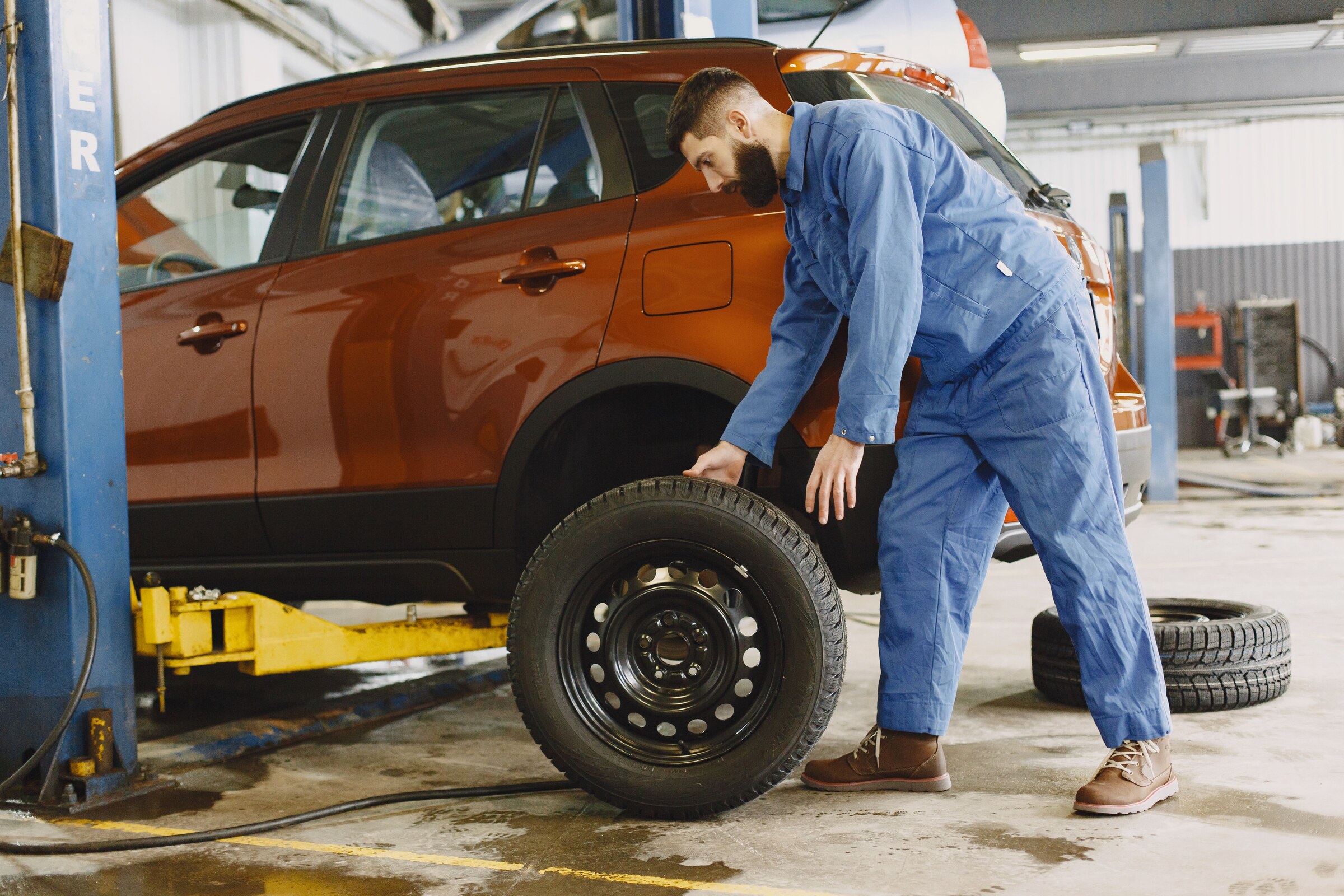
Keep it square. Same wheel and tire size at all four corners. You can rotate your tires front to rear; replacements are easier, and you avoid mismatched rolling diameters on an AWD vehicle. Kia ships the Telluride that way, and specialist aftermarket guides generally tell you to leave it alone.
You can stagger for looks if you really want to. A Telluride just doesn’t need wider rear tires the way a rear-wheel-drive performance car does, so unless you’ve got a specific reason, square is simpler to live with.
The Bolt Pattern Isn’t Enough
People trip on this constantly. They find a wheel with the right lug pattern and figure that’s that.
For first-generation Tellurides, specialist fitment data lists a 5×114.3 bolt pattern and a 67.1 mm hub bore.
Common aftermarket wheels run about 8 to 9 inches wide, and plenty of packages sit in the +35 to +45 mm offset range. Those are starting points, not gospel.
Before you order, confirm:
- Wheel diameter and width
- Offset
- Center bore
- Brake clearance
- Suspension and fender clearance
- Load rating
- Lug hardware
- Tire size
- TPMS compatibility
Running lowering springs, a lift, bigger brakes or any other suspension change? Tell the seller. And if you own a 2027, remember it’s a new generation.
A wheel that fits a 2025 won’t automatically fit it just because the bolt pattern matches.
Pick the Tires First
Change the wheel diameter and you change the tire. Go bigger while keeping the overall diameter near stock, and the sidewall shrinks.
A big swing in overall diameter can mess with your speedometer, ABS, traction and stability systems, and clearance.
Your Telluride is also a big three-row SUV, so check the load index on any replacement tire instead of shopping by size or looks alone.
For pressure, go by the cold number on the placard or in the owner’s manual.
Sensors and Hardware
Your Telluride has tire-pressure sensors. Depending on the wheels and how your current sensors are holding up, you might move them over or buy a compatible new set.
Reused sensors usually need fresh seals and service parts.
Some aftermarket wheels have a center bore larger than the Telluride’s hub, which means centering rings.
And don’t assume your factory lug nuts will work. The thread can match while the seat shape or dimensions don’t suit the new wheel.
Boring stuff, we know. It’s also what decides whether the whole package installs right.
What It Costs
Prices run wide, because the aftermarket stretches from basic cast wheels to premium forged ones. From what we found, wheel-only pricing right now looks roughly like this:
| Wheel category | Approximate price per wheel | Approximate four-wheel total |
|---|---|---|
| Entry-level cast | $145–300 | $580–1,200 |
| Mid-tier cast / flow-formed | $350–650 | $1,400–2,600 |
| Premium hybrid-forged / forged | $650–1,050+ | $2,600–4,200+ |
Brands can slide between categories depending on the model. The examples we looked at ranged from more affordable Raceline wheels up through mid- and premium-level wheels from Rohana, Ferrada and Vossen, and some forged designs pass $1,000 a wheel.
Then add tires, sensors, lug hardware, mounting, balancing, shipping, tax and installation. Twenty-two-inch tires can push your total well past an 18- or 20-inch setup, so compare the whole package price, not just the wheels.
So Which One?
There’s no winner for everybody. There is a winner for you.
Go 18 if comfort, winter, rough roads, camping or an all-terrain look rules. KMC and Black Rhino fit right in.
Go 20 if the Telluride hauls your family around and you want it to look better without losing much practicality. Enkei keeps it subtle, and Vossen takes it more upscale.
Stay 21 only if you have a 2027 X-Line and like Kia’s proportions.
Go 22 if a luxury or custom street look is the whole point. Vossen keeps things polished, while Ferrada and Savini make the wheel itself the star.
If you asked around, most owners start with the 20-inch square fitment. You get enough wheel to look the part and enough tire to handle what a three-row SUV does all week.
Need comfort or adventure? Drop to 18s. And if you see a Telluride on 22s and think “yeah, that’s how mine should look,” then the trade-offs are probably worth it.
Either way, make your final call from the full wheel-and-tire spec. Not the product photo.
Where to Buy Kia Telluride Wheels
If you want to compare different wheel brands in one place, visit AudioCityUSA offers a wide selection of Kia Telluride wheels in various designs, premium finishes, and customizable styles. You can also explore the customer gallery to see how different wheel designs look on actual Telluride builds before making a decision.
Before ordering, shortlist two or three designs based on your style and budget. Provide your Telluride’s model year and trim so the fitment team can help check compatibility. You can explore 2027 Kia Telluride wheels for options designed for the latest model. Confirm the bolt pattern, offset, hub bore, and tire clearance before purchasing to help avoid fitment issues, rubbing, or vibration. Choose compatible wheels and tires for a setup that looks great and suits your driving needs.

Matthew Wilde
Matthew Wilde is an automotive journalist with experience contributing to leading publications. He focuses on delivering clear, well-researched analysis of automotive industry news and vehicles. Growing up surrounded by a variety of cars, Matthew developed a strong foundation in automotive technology and design. His work emphasizes accuracy and depth, aimed at informing both enthusiasts and industry professionals with straightforward, precise reporting.
https://theweeklydriver.com/