
The SUV’s blend of comfort, versatility, and performance makes it a popular choice for today’s drivers, which is why it has become one of the most popular models available. Today’s SUVs can be used by families to get from A to B, for commuters, for people travelling long distances or for weekend trips.
With the variety of models available, however, it can be overwhelming to select the right SUV. Nowadays, buyers are not only interested in the size and looks of a product, but also in its benefits. They are also looking for advanced safety features, fuel efficiency, modern technology, and comfort while driving.

When it comes to the “what” of an SUV, there are a few clear-cut realities that can help drivers make an informed purchasing decision that aligns with their day-to-day driving and future requirements.
Prioritising Everyday Comfort
Comfort is an important factor when it comes to selecting the right SUV. When you’re commuting to work, running to school, travelling long distances or going for a daily shopping trip, you may find yourself spending a lot of your time in the car.
The interior should be well-designed to enhance the overall driving experience. Comfort features like supportive seating, leg room, climate control and noise insulation are all conducive to long-term comfort. SUVs with adjustable seating and quick access to the cabin are especially beneficial for families.
Why Interior Space Matters
The most common reason people opt for SUVs is space. Whether it’s for growing families, active lifestyles, or drivers who frequently carry luggage and equipment, cargo capacity, passenger space, and flexible storage options are a must.
Larger SUVs are a consideration for drivers seeking more room and comfort, driving them to consider something such as the Mazda CX-90 in Adelaide, which offers a blend of space and comfort with sophisticated technology and amenities.
For families that need additional space and still want to enjoy a high-quality driving experience, larger SUVs can come in handy.
Importance of Modern Technology
Technology is one of the most important determinants in car buying. These days, drivers have high expectations of the safety, convenience, navigation and entertainment features of the vehicle they drive.
Touchscreen infotainment systems, smartphone connectivity, wireless charging, voice controls, and advanced driver-assistance technologies are among the features found in modern SUVs. Adaptive cruise control, lane-keeping, blind-spot monitoring, parking sensors, and other safety-enabling technologies can boost driver confidence.
Balancing Performance and Efficiency
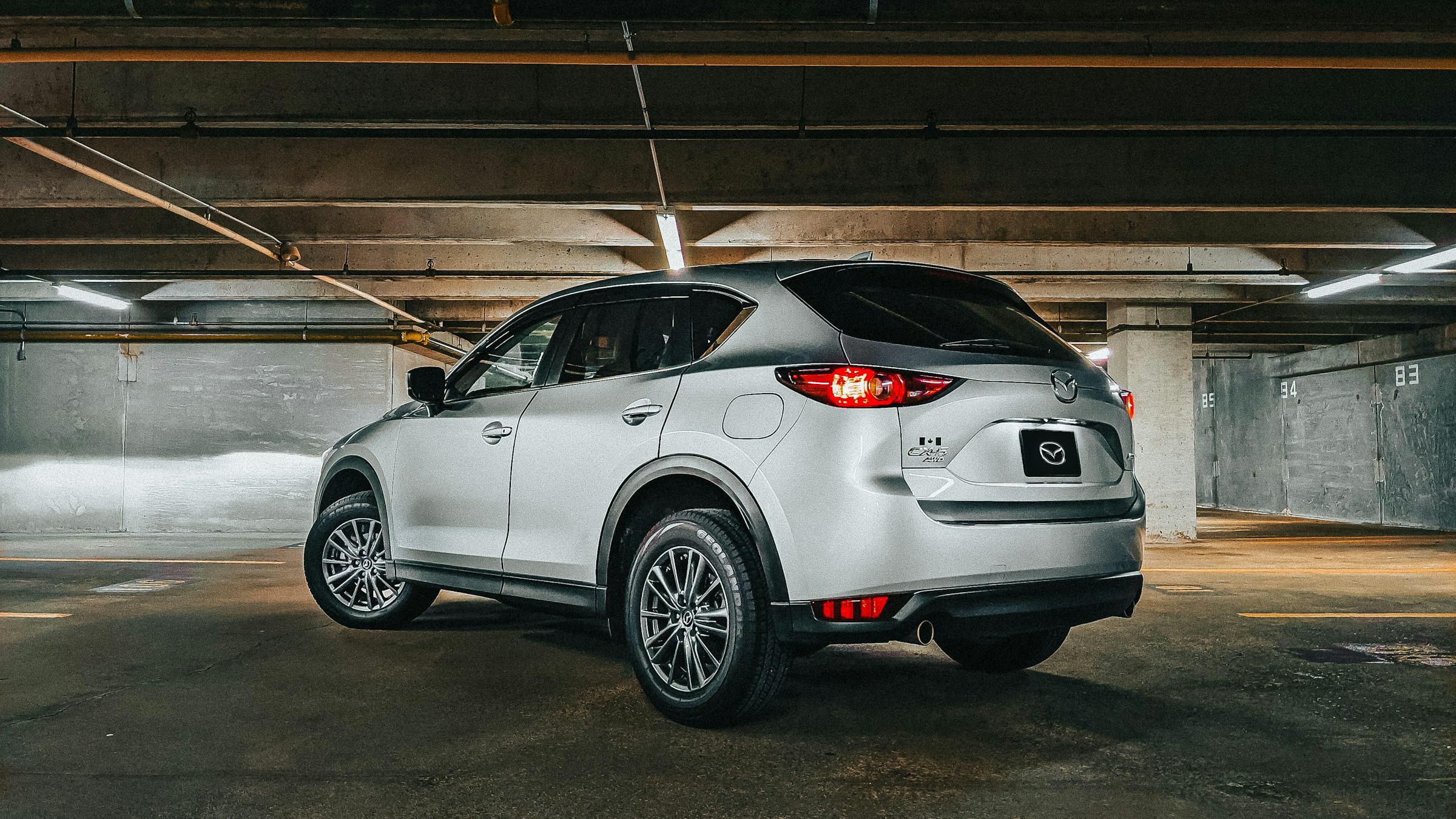
SUV buyers tend to prefer a compromise between power and fuel efficiency. Fuel consumption was traditionally a bigger issue with larger vehicles, but there has been progress on many SUVs in terms of efficiency.
Before comparing cars, buyers should take into account engine performance, driving smoothness and long-term running costs. Fuel economy and handling may be particularly significant in urban driving. For those who spend a lot of time on the road, ride comfort and highway stability might be more important.
Considering Long-Term Practicality
An SUV should meet their present and future lifestyle. When purchasing, prospective customers should consider the long-term ownership aspects, including maintenance, warranty, resale value and reliability. For a vehicle to be practical today, it should be able to serve evolving household or trip requirements over time. Long-term ownership experience is determined by interior durability, service support and fuel economy.

Matthew Wilde
Matthew Wilde is an automotive journalist with experience contributing to leading publications. He focuses on delivering clear, well-researched analysis of automotive industry news and vehicles. Growing up surrounded by a variety of cars, Matthew developed a strong foundation in automotive technology and design. His work emphasizes accuracy and depth, aimed at informing both enthusiasts and industry professionals with straightforward, precise reporting.
https://theweeklydriver.com/