
A driver who causes an accident by following GPS instructions without watching the road is usually responsible. Navigation apps can provide incorrect or outdated directions, but drivers must still pay attention, obey traffic laws, and adjust to road conditions. Other parties may also share liability.
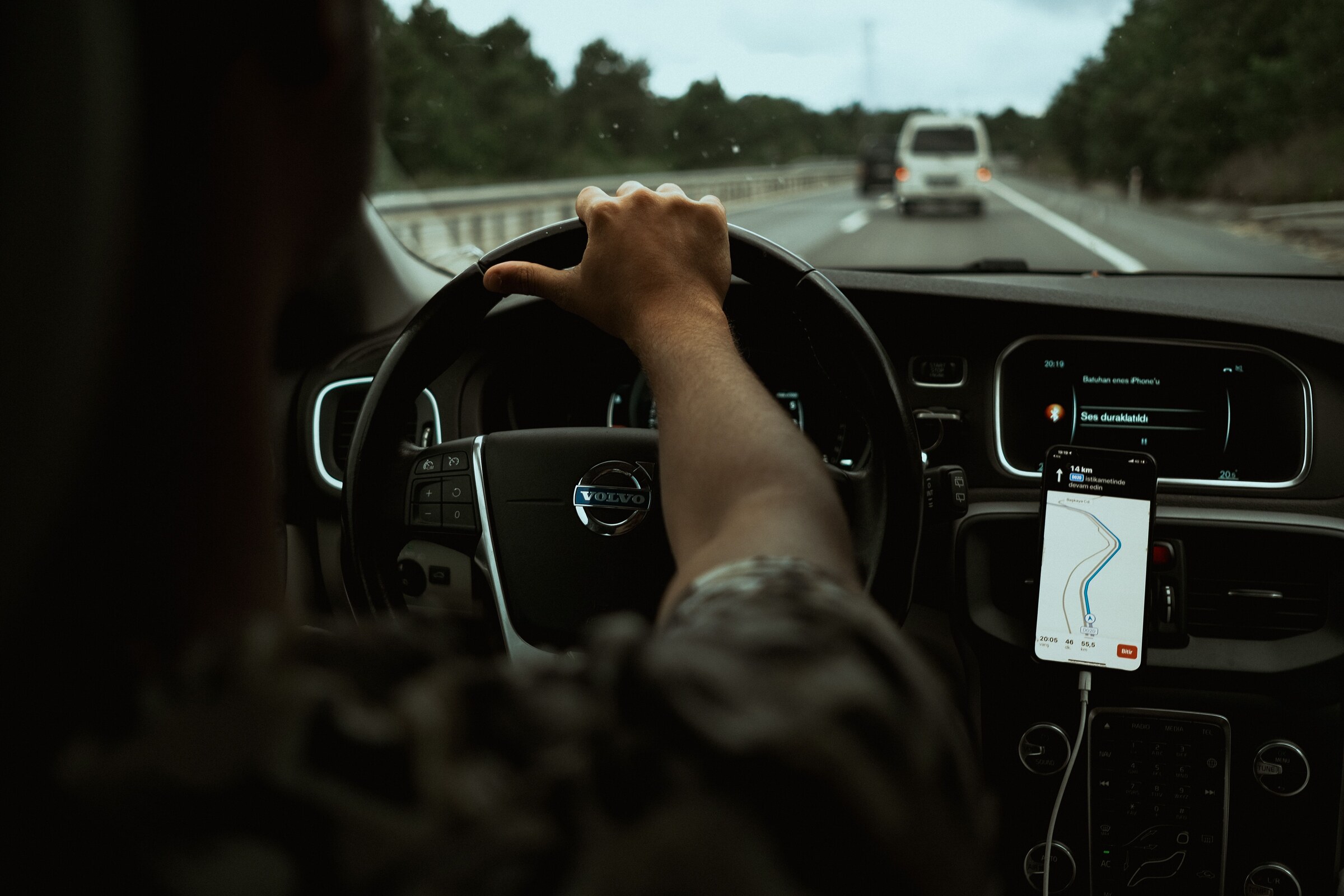
Santa Maria is a city in Santa Barbara County, California. U.S. Route 101 connects it with communities along the Central Coast. Local streets, intersections, and roadwork create changing traffic conditions that drivers must observe regardless of GPS instructions.
Anyone seeking legal help from a Santa Maria car accident lawyer may need to establish whether distracted driving or another party’s conduct contributed to the crash.
The Driver’s Duty to Drive Safely
Drivers must use ordinary care when operating a vehicle. Under California Civil Code § 1714(a), individuals may be responsible for injuries caused by a lack of ordinary care or skill.
Following GPS directions does not remove this responsibility. Drivers must watch the road, obey signs and signals, maintain safe speeds, yield when required, and avoid sudden turns. A driver cannot avoid liability simply by claiming a navigation app instructed them to make a dangerous maneuver.
How GPS Can Become Distracted Driving
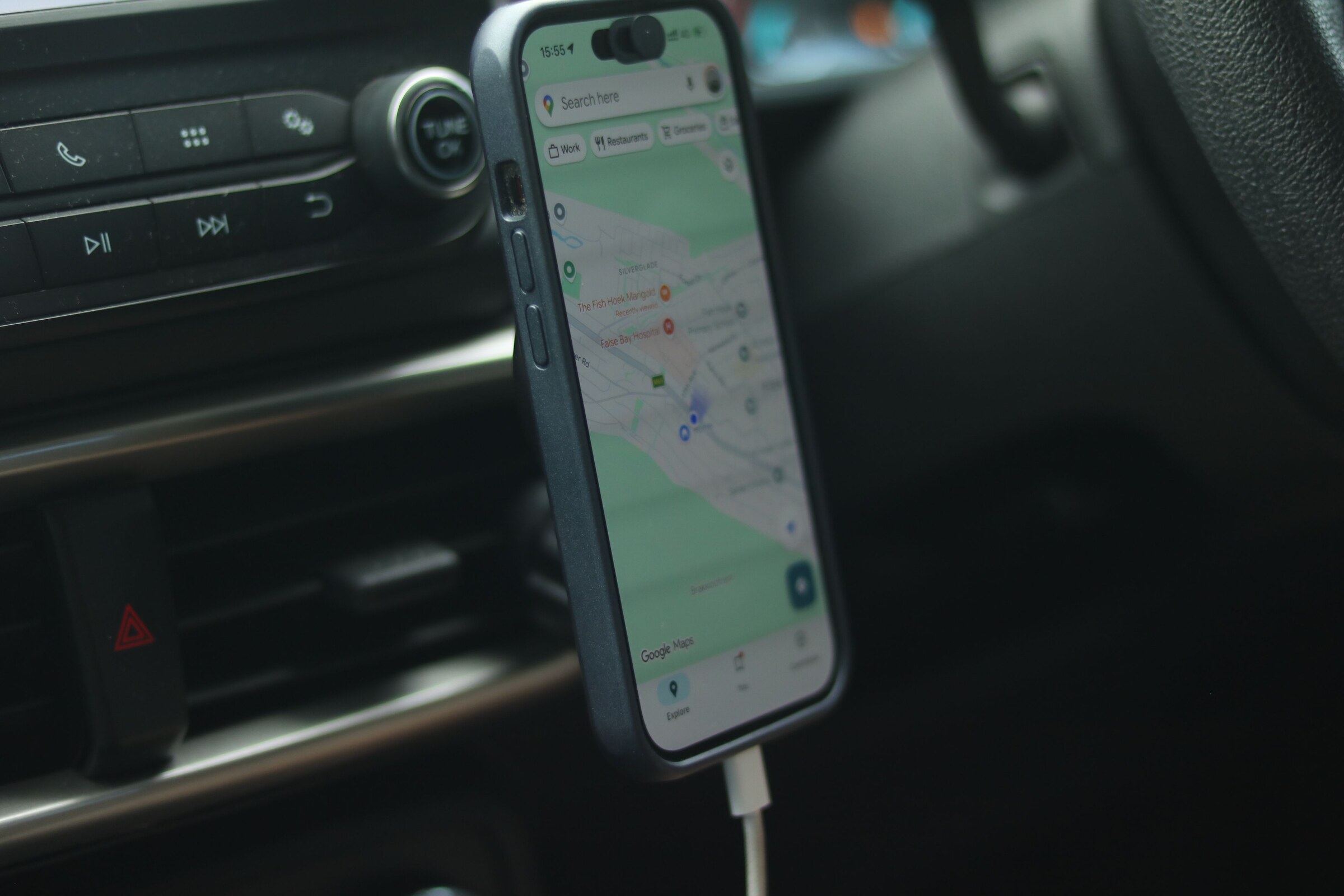
California Vehicle Code §§ 23123 and 23123.5 also restrict handheld phone use while driving. Holding a phone to check directions, enter an address, zoom in on a map, or adjust navigation can take a driver’s attention away from the road. These actions may cause drivers to miss traffic signals, pedestrians, or sudden changes in traffic. If handheld GPS use contributes to a collision, it may become relevant when establishing distracted driving and negligence.
Can a GPS Company or Another Party Be Liable?
A navigation company is not automatically responsible when its directions contribute to an accident. However, it may warrant investigation if it provided materially incorrect directions or failed to warn users about recognized hazards.
Other potentially responsible parties include:
- Road authorities: For dangerous or poorly maintained roads.
- Construction companies: For unsafe detours or inadequate warnings.
- Vehicle owners: Where negligent entrustment or ownership-based liability applies.
- Employers: When an employee causes a crash while working.
Multiple parties may share responsibility.
What Evidence Can Help Establish Liability?
Evidence can show whether the driver was distracted, followed an unsafe route, or encountered an inadequately marked hazard. Relevant records include GPS history, phone records, dashcam footage, traffic-camera footage, witness statements, photographs, police reports, medical records, and road-closure notices.
Some phone or navigation records may require formal legal procedures to obtain. Preserve available evidence promptly.
Pro Tip
Photograph road signs, barriers, and detours. Preserve dashcam footage and witness details to help establish who contributed to the collision.
What Should You Do After a GPS-Related Accident?
- Call emergency services if anyone is injured.
- Exchange contact and insurance information.
- Photograph vehicles, road conditions, and signs.
- Collect witness details.
- Request the police or crash report.
- Save dashcam footage and relevant records.
- Seek medical attention and notify your insurer.
Frequently Asked Questions
- Is the driver responsible if GPS gives incorrect directions?
Usually, yes. Drivers must use ordinary care and respond to actual road conditions rather than blindly following navigation instructions.
- Can a GPS company be sued after an accident?
Potentially, if evidence supports a claim involving dangerously incorrect directions or failure to address a known hazard.
- Can an employer share responsibility?
Yes. An employer may be relevant when a driver causes an accident while performing work duties.
Key Takeaways
- Drivers are usually responsible for GPS-related crashes caused by inattention.
- California law requires ordinary care and safe driving speeds.
- Handheld phone use may support a distracted-driving claim.
- GPS companies and other parties may share liability in limited circumstances.
- Gather evidence and seek medical attention.

Matthew Wilde
Matthew Wilde is an automotive journalist with experience contributing to leading publications. He focuses on delivering clear, well-researched analysis of automotive industry news and vehicles. Growing up surrounded by a variety of cars, Matthew developed a strong foundation in automotive technology and design. His work emphasizes accuracy and depth, aimed at informing both enthusiasts and industry professionals with straightforward, precise reporting.
https://theweeklydriver.com/