
More and more people are affected by car accidents across the U.S. In 2024, there were 6.18 million police-reported accidents with approximately 39,254 fatalities and over 2 million injuries.

A study done by the Insurance Information Institute showed the average claim for auto bodily injury liability reached $28,278 in 2024. These numbers further show the strain an auto collision has on victims financially.
An auto collision is an event that leaves victims facing a variety of difficulties that will impact almost all aspects of their lives. These victims may be entitled to recover damages that will assist in paying for the financial burden and/or assist them in future situations related to their losses, pain and suffering, property damage, lost wages, medical expenses, and many others.
You can seek the help of an auto collision lawyer to evaluate the losses, establish liability, and pursue compensation. The amount depends on factors such as the severity of the injuries, the extent of financial losses, and the available insurance coverage.
Let’s take a closer look at what compensation you can recover after an auto collision in the United States.
Medical Bills, Lost Wages, and Pain and Suffering
The North Carolina Department of Insurance details allowable post-accident claims. They include claims for doctors’ bills, hospital bills, and lab fees. They also include claims for lost wages and claims for pain and suffering that are directly linked to the accident.
The Department notes that North Carolina sets no guidelines for the calculation of pain and suffering, leaving the calculation to the insured and the insurer. The Department suggests legal consultation in cases where a disagreement over the pain and suffering claim arises.
At a national level, the NHTSA applies a similar distinction. Economic damages, in the NHTSA’s estimation, consist of medical costs and lost productivity. Losses related to the quality of life are considered separately and are valued at approximately $1.03 trillion for the year 2019.
Vehicle Damage, Towing, and Rental Costs
In some instances, auto insurance claims work differently from typical damage claims. A revision to the California Department of Insurance’s physical damage claims guide in December 2024 states that for many auto claims, an insurer pays for either repair costs or the actual cash value of the vehicle, with some exceptions as determined by the specific insurance policy.
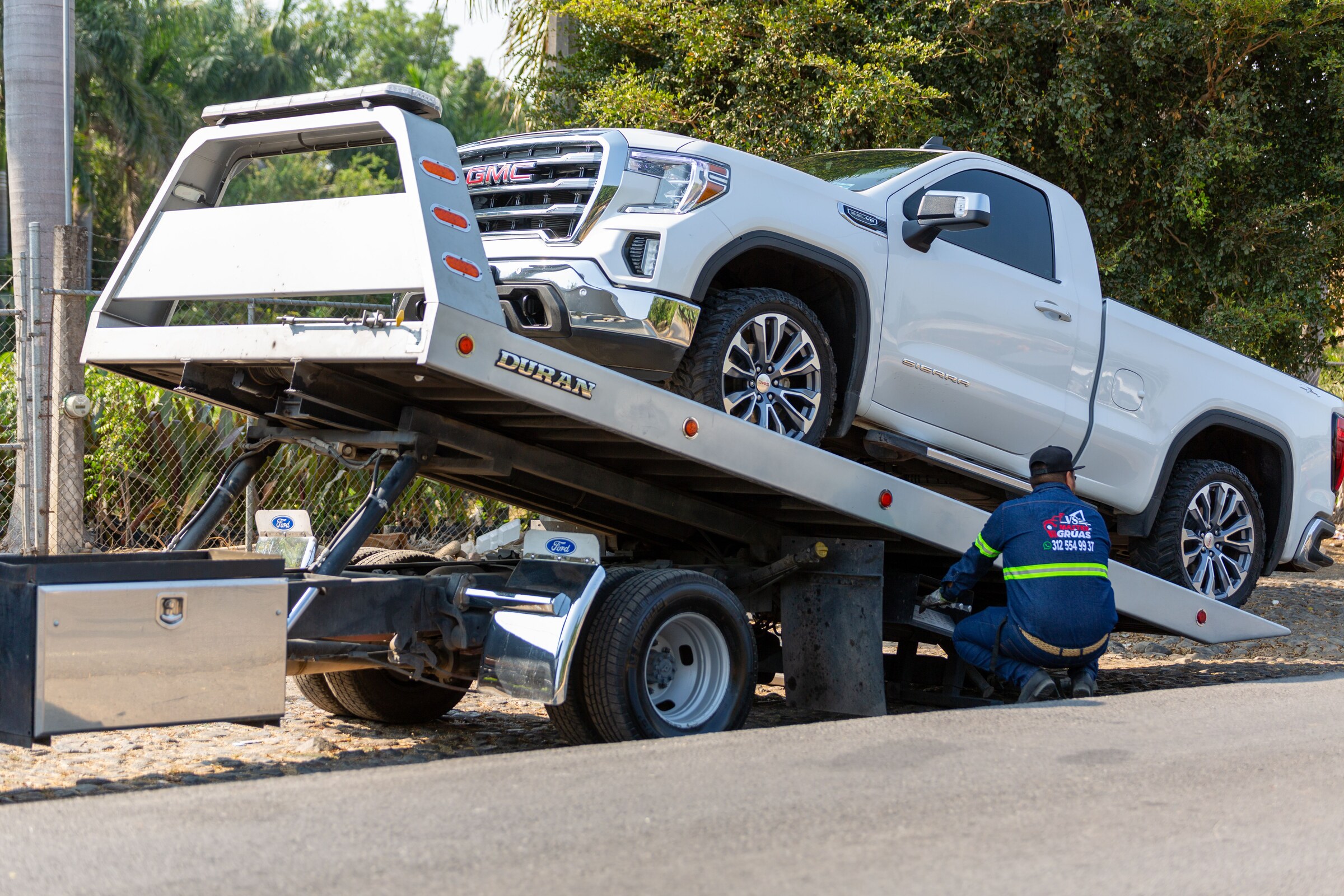
According to the guide, a total loss settlement should cover the value of a comparable vehicle, including applicable taxes and transfer fees. Insurance companies should also cover reasonable towing costs unless they have arranged for a specific towing provider in advance.
Rental cars are handled differently. According to the California guide, a driver who bought rental vehicle coverage receives payment up to a set amount per day for a set number of days. That the coverage ends when the car is repaired, the loss is paid, or the period expires.
North Carolina’s Department of Insurance addresses total losses by describing a vehicle as a total loss when repair costs equal or exceed 75 percent of its actual cash value before the accident.
Injury and property claims are pursued by firms in every region. According to the Duque & Price website https://www.duquelaw.com/, the Southern California firm has offices in Costa Mesa, Riverside, Los Angeles, and Temecula and lists car accidents, drunk driving accidents, truck accidents, and wrongful death among its practice areas.
Coverage That Pays Without Proving Fault
There is some amount of compensation that arises from the policy of the driver himself. As per the North Carolina Department of Insurance, in case medical payments coverage is bought, it pays reasonable and necessary medical and funeral expenses, up to the policy limit, for the policyholder, family members, and others riding in the covered vehicle.
When the accident is the fault of an uninsured driver, the uninsured motorist policy pays the damages incurred due to the injury. When an at-fault driver is inadequately insured, the policyholder can rely on the underinsured motorist coverage to supplement the policy of the other driver up to their own underinsured policy limit.
How Fault and State Rules Affect Recovery
The term “fault” plays a crucial role in a case against an additional motorist. According to North Carolina’s Department of Insurance, the principle of contributory negligence is applicable in North Carolina and means that a driver found even partly at fault may be barred from collecting damages from the other driver.
This is not the case in other states because of the difference in laws in such states.
It is also essential to consider the time frame. According to the California manual, an insurer should make a decision to either accept or reject a claim within 40 days after the proof of claim is received, and the money must be paid within 30 days after settlement. The above time frames concern the reaction of the insurer and are not connected to the lawsuit filing deadline that differs depending on the state.
The reason why the official manuals of the insurance department of each state are used as the primary source of information is because of the differences between each state.

Matthew Wilde
Matthew Wilde is an automotive journalist with experience contributing to leading publications. He focuses on delivering clear, well-researched analysis of automotive industry news and vehicles. Growing up surrounded by a variety of cars, Matthew developed a strong foundation in automotive technology and design. His work emphasizes accuracy and depth, aimed at informing both enthusiasts and industry professionals with straightforward, precise reporting.
https://theweeklydriver.com/