
Rural roads across Virginia carry a mix of daily commuters, delivery trucks, and farm machinery, often on the very same stretch of pavement. A tractor pulling equipment can move at a fraction of the speed limit, which creates a gap that catches many drivers off guard. This gap is not a rare inconvenience in a state with thousands of working farms lining its two-lane highways. Understanding why tractors create unusual risks helps everyone on these roads react with more care instead of frustration.
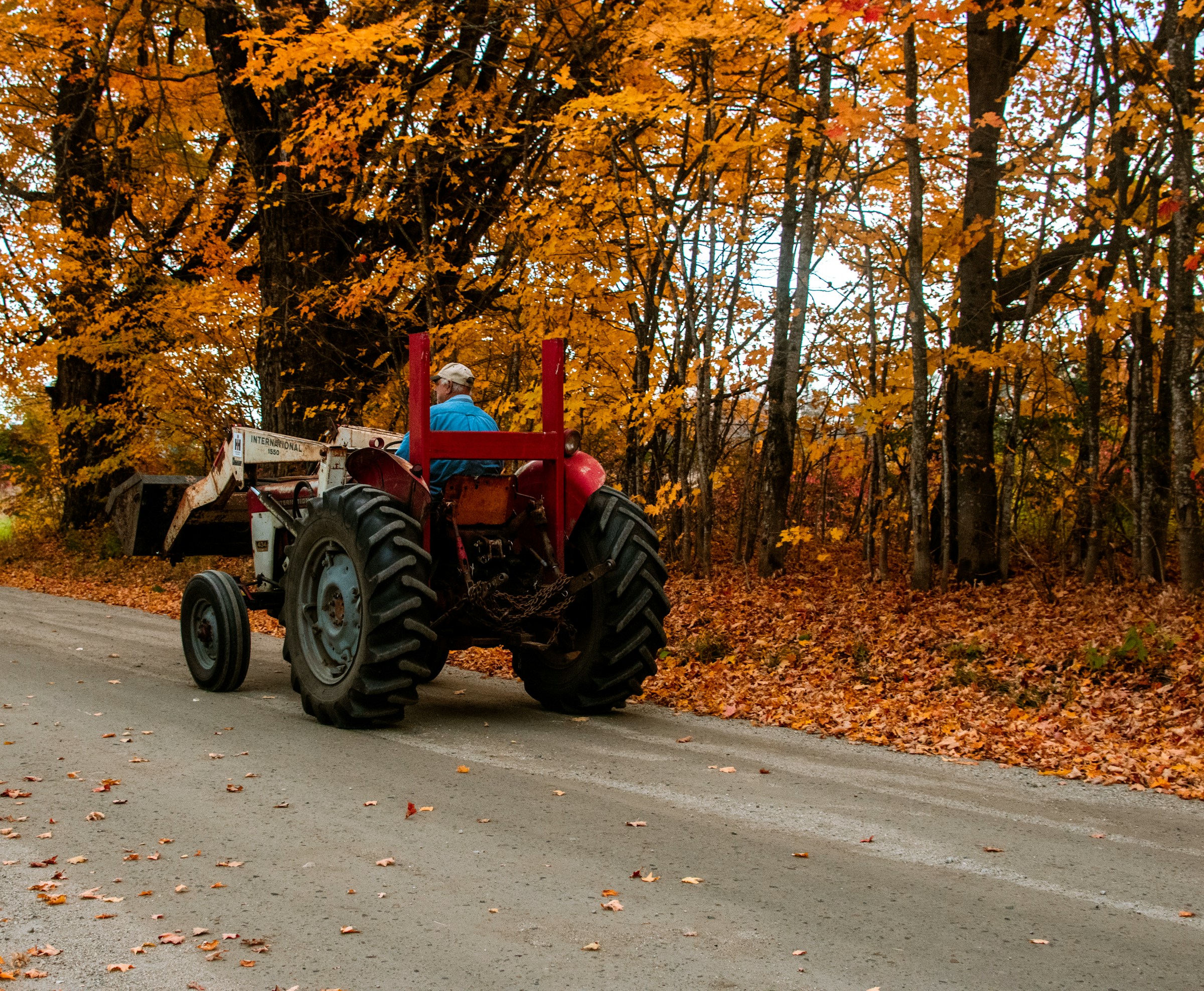
Why Tractors and Cars Rarely Mix Well on the Same Road
A tractor pulling a wagon or plow often travels between 15 and 25 miles per hour, while the cars behind it may be moving at 45 or 55 miles per hour on the same stretch of road. That gap of 20 or 30 miles per hour closes fast, sometimes in just a few seconds, once a driver rounds a curve or crests a hill. People who study what causes tractor accidents on rural roads point to this speed mismatch as the single biggest factor behind serious rural crashes.
Size adds another layer to the danger, since a tractor with an attached implement can stretch well beyond the width of a normal lane. A driver who misjudges this width, or assumes a shift to the right means it is safe to pass, can end up sideswiping equipment that never left its lane. These crashes often happen in a matter of seconds, with little time for either driver to correct course.
Where These Crashes Happen Most Often
Certain spots on a rural road turn an ordinary tractor crossing into a serious risk. Hills and curves hide a slow-moving tractor until a driver is already close behind it, leaving little room to slow down safely. Field entrances, narrow shoulders, and old bridges add even more pressure on a driver trying to judge when it is safe to pass.
- Blind hills – a tractor appears with almost no warning
- Sharp curves – equipment blocks the full width of the lane
- Field entrances – tractors often turn without much warning
- Narrow bridges – leave no room to pass safely
What Virginia Law Requires From Tractors on Public Roads
Virginia law does not leave visibility on rural roads entirely up to chance. Under Virginia Code § 46.2-1081, every farm tractor and slow-moving piece of equipment must display a triangular slow-moving vehicle emblem on the back, day or night. This bright orange and red triangle warns drivers from a distance that the vehicle ahead moves far slower than normal traffic.
A missing or faded emblem does not excuse a driver from paying attention, but it can become an important piece of evidence after a crash. Photos of the tractor’s rear end, taken soon after the accident, show whether the emblem was present, clean, and properly mounted. This detail often plays a real role in sorting out how a crash actually happened.
Why Passing a Tractor Is Riskier Than It Looks
Many drivers try to pass a tractor the same way they would pass any slow car, without accounting for its length or its next move. A tractor pulling equipment may drift toward the center of the lane just before making a wide turn into a field. A driver who begins to pass at that exact moment can end up in the path of the turning equipment instead of clear of it.
Virginia law also limits when passing is legal in the first place. Under Virginia Code § 46.2-804, a driver may not cross a double solid yellow line except to turn left, which rules out passing a slow tractor on many rural two-lane roads. A driver who passes illegally in a no-passing zone often carries a heavy share of the blame if a crash follows.
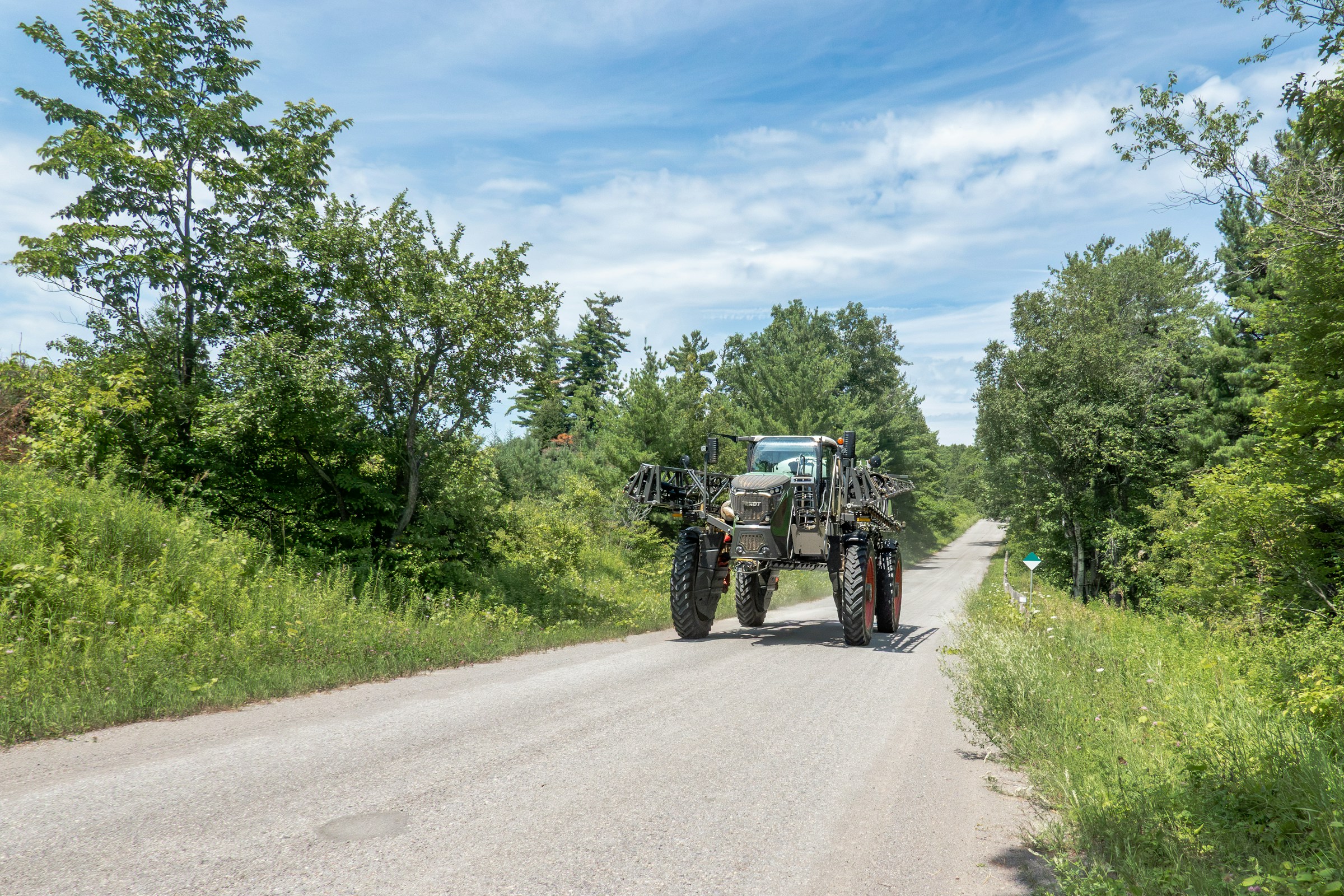
How Fault Gets Decided When a Tractor Accident Happens
Virginia applies one of the strictest fault rules in the country to these crashes. Under this rule, called contributory negligence, a driver found even slightly at fault for causing the crash can be barred from recovering any money, even from a careless tractor operator. This rule makes it especially important to document exactly what each driver did in the moments before impact.
- Photos – the tractor, the road, and any skid marks
- Witness accounts – what other drivers actually saw happen
- Emblem check – whether the SMV sign was visible
- Police report – an official record of the crash
What Sharing the Road Really Takes
Tractors are not going away from Virginia’s rural roads, and neither is the daily mix of farm work and commuter traffic. A little patience behind a slow-moving vehicle costs a driver only a minute or two, while a poorly timed pass can cost far more. Farmers who keep equipment well maintained and clearly marked share in that responsibility just as much as the drivers who share the road with them. Recognizing tractors as a normal part of rural life, rather than an obstacle to rush past, keeps more of these ordinary trips from turning into emergencies.

Matthew Wilde
Matthew Wilde is an automotive journalist with experience contributing to leading publications. He focuses on delivering clear, well-researched analysis of automotive industry news and vehicles. Growing up surrounded by a variety of cars, Matthew developed a strong foundation in automotive technology and design. His work emphasizes accuracy and depth, aimed at informing both enthusiasts and industry professionals with straightforward, precise reporting.
https://theweeklydriver.com/