
Shopping for a used car rarely involves looking at just one option. Most buyers compare several vehicles across different sellers, model years, and price points before making a decision. Yet many still rely on a single vehicle history report for each car, often paying full price multiple times without gaining a clear comparative view.
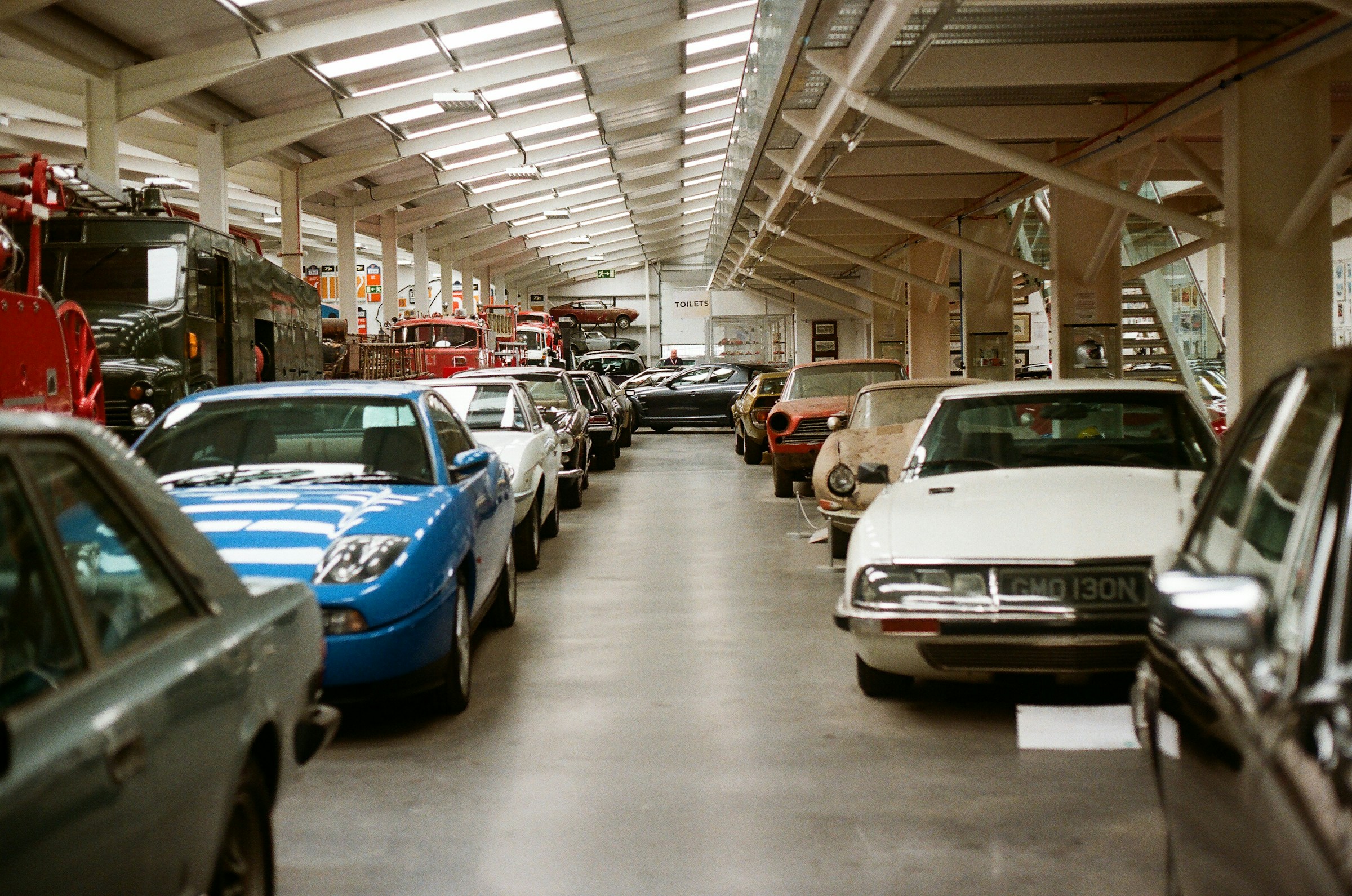
This approach creates two problems: cost inefficiency and fragmented decision-making. When each report is treated as a one-off purchase, buyers end up spending more while still lacking the ability to analyze patterns across multiple vehicles.
A more practical approach is to treat vehicle history data as a comparison tool rather than a one-time check.
Why Single Reports Fall Short
Traditional providers like Carfax or AutoCheck are widely known and useful for basic checks. However, their pricing structure is typically built around individual reports. That means each additional vehicle adds another full-cost purchase.
If you’re comparing five cars, you’re not just evaluating five vehicles—you’re also paying five times for similar types of data. More importantly, you’re reviewing each report in isolation, which makes it harder to spot patterns such as repeated auction listings, inconsistent mileage trends, or regional title changes.
In real-world buying scenarios, this matters. A “clean” report doesn’t always mean a clean car—it simply means no major issues were recorded in that specific dataset. Without comparing multiple vehicles side-by-side, it’s easy to miss context.
The Shift Toward Comparison-Based Research
Serious buyers—especially those browsing marketplaces, auctions, or dealer listings—tend to check multiple VINs in a short period. The goal isn’t just to verify one car, but to identify the best option among several.
This is where newer approaches to vehicle history reports stand out. Instead of focusing on single-report transactions, they are designed for volume and comparison.
For example, tools that allow you to compare multiple cars with a vehicle history report under one plan enable a more complete analysis. Rather than asking “Is this car okay?”, the question becomes “Which of these cars is the best choice based on history, usage, and risk?”
That shift leads to better outcomes.
A Practical Way to Compare Multiple Cars
When comparing several vehicles, buyers should focus on a few key factors:
- Title history across states
- Mileage consistency over time
- Previous listings or auction appearances
- Usage patterns (personal, rental, fleet)
- Gaps or inconsistencies in records
Looking at these factors across multiple cars helps reveal relative quality, not just absolute red flags.
This is where using a platform that supports repeated checks becomes significantly more efficient. Instead of limiting yourself to one or two reports due to cost, you can analyze a broader pool of vehicles.
One example is using a service that allows multi-car comparisons through a subscription-based model, such as Zilocar. This approach reduces the effective cost per report and encourages thorough due diligence rather than selective checking.
From a practical standpoint, this changes buyer behavior. Instead of narrowing down options too early, you can expand your search, eliminate weaker candidates, and make a more confident final decision.
Cost Efficiency in Real Terms
Let’s consider a simple scenario.
A buyer reviews 8 vehicles before making a decision. With traditional single-report pricing (often around $40–$45 per report), the total cost could exceed $300.
In contrast, a subscription-style model spreads that cost across many reports, often bringing the effective cost per check down to a fraction of that amount. More importantly, it removes the hesitation to run additional checks.
That matters because the best deals are often found through broader comparison, not limited sampling.
Better Decisions Through Context

Another advantage of reviewing multiple reports is context.
For example:
- One car may show minor damage—but others in the same price range show none
- Another may have a clean title—but repeated auction entries suggest prior issues
- A third may have consistent ownership and mileage patterns, making it a stronger candidate
These insights only become clear when viewed comparatively.
Without that context, buyers risk overvaluing or undervaluing a vehicle based on incomplete information.
The Bottom Line
Vehicle history reports are no longer just about verifying a single car—they’re about making smarter comparisons across multiple options.
While established providers like Carfax and AutoCheck remain part of the landscape, their single-report model can limit both cost efficiency and decision quality when evaluating several vehicles.
For buyers who want a more practical approach, platforms like Zilocar are increasingly built around this comparison-first model. By reducing cost barriers and enabling broader analysis, they support better, more informed purchasing decisions.
In today’s market, the best vehicle history report isn’t just the one that tells you about a car—it’s the one that helps you choose between them.

Matthew Wilde
Matthew Wilde is an automotive journalist with experience contributing to leading publications. He focuses on delivering clear, well-researched analysis of automotive industry news and vehicles. Growing up surrounded by a variety of cars, Matthew developed a strong foundation in automotive technology and design. His work emphasizes accuracy and depth, aimed at informing both enthusiasts and industry professionals with straightforward, precise reporting.
https://theweeklydriver.com/