
The invoice read $387. Two hundred of that was labor. The repair itself took the dealership technician roughly 40 minutes: swap out the cabin air filter and the engine air filter. Both filters cost $34 total on Amazon. The rest was pure markup and a labor rate that had climbed to $175 an hour.
This is the reality of car ownership in 2026. AAA estimates the average driver spends $1,400 to $1,500 annually on maintenance and repairs. Dealership labor rates now average $125 to $175 per hour nationally. Independent shops charge less, typically $80 to $125, but even those numbers have jumped 15 to 20 percent in recent years.

The good news: a surprising number of routine maintenance tasks require no mechanical background, no lift, and tools you can pick up for the cost of a single shop visit. Some take five minutes. Others might eat a Saturday morning. All of them will save you real money over time.
Key Takeaways
- Dealership labor rates average $125 to $175 per hour in 2026; independent shops charge $80 to $125
- A basic tool set under $100 covers roughly 90 percent of beginner-level maintenance tasks
- Cabin and engine air filters are the easiest starting point; most take under 10 minutes with no tools
- Oil changes at home save $40 to $80 per service compared to quick-lube shops
- Brake pad replacement saves $150 to $300 per axle but requires jack stands and basic comfort underneath a car
- Never attempt timing belt, transmission, suspension, or airbag-related work without training
- Buying parts online instead of through a shop typically saves 30 to 60 percent on components
What Shops Actually Charge vs. What Parts Cost
The gap between shop invoices and actual parts costs is where DIY savings live. Here is what you are really paying for when a shop handles routine maintenance.
| Service | Typical Shop Cost | DIY Parts Cost | You Save |
|---|---|---|---|
| Engine air filter | $50 – $85 | $10 – $20 | $40 – $65 |
| Cabin air filter | $60 – $100 | $10 – $25 | $50 – $75 |
| Wiper blades (pair) | $60 – $100 | $20 – $50 | $40 – $50 |
| Oil change (conventional) | $45 – $80 | $25 – $35 | $20 – $45 |
| Oil change (synthetic) | $75 – $130 | $35 – $55 | $40 – $75 |
| Battery replacement | $200 – $350 | $100 – $200 | $100 – $150 |
| Brake pads (one axle) | $250 – $450 | $30 – $80 | $200 – $370 |
| Spark plugs (4-cylinder) | $150 – $250 | $15 – $40 | $135 – $210 |
| Headlight bulb | $50 – $150 | $15 – $40 | $35 – $110 |
Add those up over a year of ownership and DIY maintenance can easily save $500 to $1,000. Over the life of a car, the numbers become significant.
The Starter Toolkit: What You Actually Need
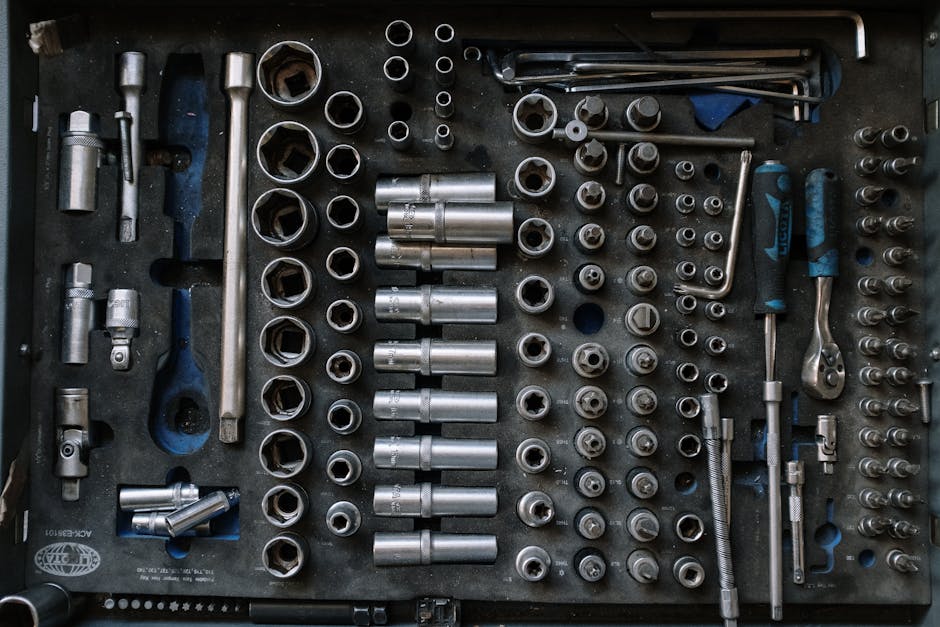
You do not need a professional garage. You need a flat driveway or parking spot and a handful of tools that together cost less than one hour of dealership labor.
Recommended starter set: The Craftsman 102-piece mechanics tool set includes SAE and metric sockets, a ratchet, screwdrivers, pliers, and a carrying case. Craftsman tools carry a lifetime warranty and hold up to regular use. Around $60, and it covers every beginner task on this list.
If you plan to work underneath the car for oil changes or brake jobs, you will also need:
- Jack stands (never work under a car supported only by a jack). A pair of BIG RED Torin 3-ton jack stands costs around $30 and meets the safety standard.
- A torque wrench for wheel lug nuts and drain plugs. The EPAuto 1/2-inch drive click torque wrench is a reliable entry-level option at roughly $30.
- An oil drain pan for catching used oil. Basic models cost $8 to $12.
- An OBD2 scanner to read check-engine codes before panicking. The FOXWELL NT301 plugs directly into your car, reads diagnostic codes, and tells you whether the problem is a loose gas cap or something serious. Around $60, and it pays for itself the first time it saves you a $100 diagnostic fee at a shop.
Total investment for a complete beginner toolkit: $90 to $190 depending on how far you want to go. That is one shop visit.
Tier 1: Zero Experience Required
These jobs require no mechanical knowledge. If you can open a glovebox or pop a hood latch, you can handle them.
Cabin Air Filter
Most cabin air filters sit behind the glovebox. Squeeze two tabs, the glovebox drops down, and the filter slides out. Slide the new one in. Five minutes. Your car’s owner’s manual shows exactly where it is, and replacement cabin air filters on Amazon run $10 to $25 depending on your vehicle. A shop charges $60 to $100 for the same job.
Engine Air Filter
Pop the hood. Find the air filter box, usually a large plastic container near the front. Unclip two to four metal clips. Lift the old filter out. Drop the new one in. Close the clips. The whole process takes three to five minutes, and the filter itself costs $10 to $20.
Wiper Blades
Wiper blades are designed for owner replacement. Lift the arm away from the windshield, press the release tab on the old blade, slide it off, click the new one on. Bosch ICON blades are a popular upgrade over factory wipers, lasting up to 40 percent longer than standard premium blades. A pair runs $40 to $55 depending on size. Most auto parts stores will install them free if you buy in-store, but you will pay a 20 to 30 percent markup over online pricing.
Headlight and Taillight Bulbs
On many vehicles, bulb replacement means opening the hood, twisting the bulb socket a quarter turn, pulling the old bulb out, and pushing the new one in. Some vehicles require removing a small panel or reaching through the wheel well, but the process remains straightforward. Check your owner’s manual for the bulb type before ordering.
Battery Terminal Cleaning
Corrosion on battery terminals causes slow starts, electrical gremlins, and batteries that test fine but still fail to crank. A battery terminal cleaner brush kit costs under $10. Disconnect the negative cable first, scrub both posts and clamps, reconnect. Ten minutes of work that can prevent a $200 roadside service call.
Tier 2: One YouTube Video Away
These tasks involve slightly more tools and confidence. Watch one model-specific video before starting and you will be fine.
Oil Changes
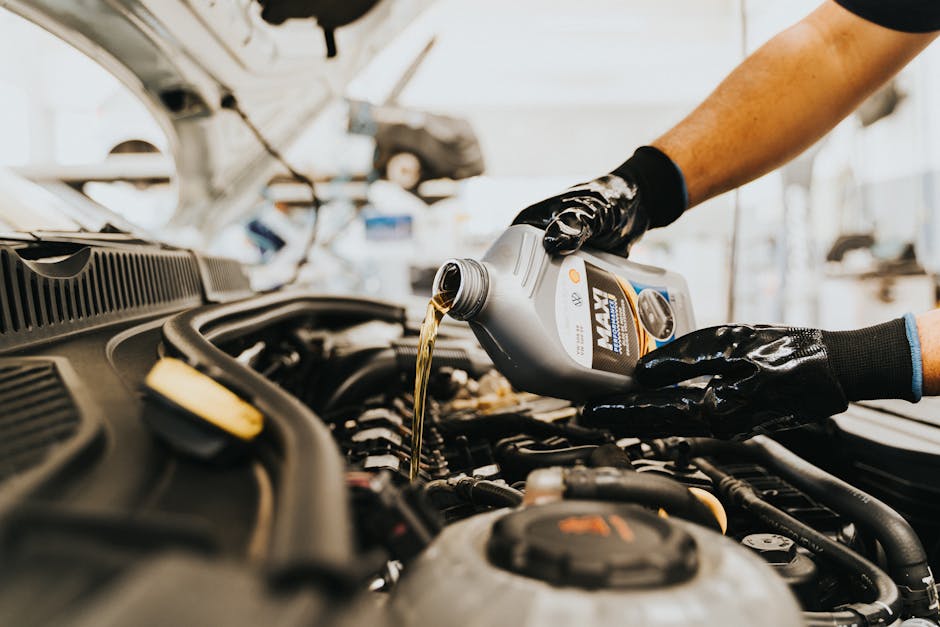
The oil change is the gateway to DIY maintenance. Jack up the car, place it securely on jack stands, locate the drain plug underneath, remove it, let the oil drain into a pan, replace the drain plug, swap the oil filter, refill with the correct oil from the top. Thirty to 45 minutes the first time. Twenty minutes once you have done it twice.
A synthetic oil change at a quick-lube shop runs $75 to $130. Five quarts of full synthetic oil and a quality filter cost $35 to $55 when bought online. Over four oil changes per year, you save $160 to $300 annually.
Safety first: Never crawl under a vehicle supported only by a floor jack. Always use rated jack stands on a flat, level surface. Keep your emergency brake engaged. And dispose of used oil properly; most auto parts stores accept it free of charge.
Brake Pads

Brake pads are intimidating for first-timers, but the actual process is accessible. Remove the wheel. Remove two caliper bolts. Slide the caliper off the rotor. Pop out the old pads. Compress the caliper piston with a C-clamp. Snap in the new pads. Bolt everything back together. Torque the lug nuts.
A shop charges $250 to $450 per axle for this service. A quality set of ceramic brake pads costs $30 to $80. The savings are substantial, and the job takes 45 minutes to an hour per axle once you have the process down.
Spark Plugs
On most four-cylinder engines with easy access, spark plug replacement is manageable for beginners. Remove the ignition coil connector. Pull out the coil. Unscrew the old plug with a spark plug socket. Gap the new plug if needed (many come pre-gapped). Thread it in hand-tight, then torque to spec. Repeat for each cylinder.
The critical detail: never overtighten a spark plug into an aluminum head. Use a torque wrench. If a plug feels cross-threaded, stop immediately. The repair for a stripped spark plug hole costs far more than a shop would have charged to replace the plugs in the first place.
Tire Rotation
If you own a floor jack and jack stands, rotating tires yourself saves $25 to $50 per visit. Most vehicles follow a simple front-to-back, side-swap pattern. Your owner’s manual specifies the correct rotation pattern for your drivetrain. Every 5,000 to 7,500 miles keeps tread wear even and extends tire life significantly.
Tier 3: Leave It to the Professionals
Knowing what not to attempt matters as much as knowing what you can handle.
Do not attempt these without professional training:
- Timing belt or chain replacement requires precise alignment. A mistake can destroy the engine.
- Transmission work involves specialized tools and expertise beyond weekend-warrior scope.
- Suspension components like springs are under extreme tension. A compressed spring that slips can cause serious injury.
- Anything involving airbags, including steering wheel or dashboard removal on newer vehicles.
- AC system work requires certified equipment and refrigerant handling. It is also illegal to vent refrigerant in the United States.
- Major electrical diagnostics beyond basic code reading. Modern vehicles integrate dozens of modules that require dealer-level scan tools.
The line between DIY and professional work is simple: if a mistake could create a safety hazard, leave it to someone with training. Brake pads are replaceable components designed for periodic service. Suspension geometry is not.
Where to Buy Parts (and Where Not To)
Buying parts through a repair shop means paying retail plus a markup that typically runs 30 to 60 percent above what you would pay sourcing them yourself. That markup is how shops stay profitable, and there is nothing wrong with it when you are paying for their expertise. But when you are doing the work yourself, buying smart matters.
Amazon offers the widest selection and competitive pricing on filters, fluids, bulbs, and tools. Prime shipping means parts arrive in a day or two. The trade-off: you need to know exactly what fits your vehicle. Use your year, make, and model in the search, and double-check part numbers against your owner’s manual.
RockAuto is a go-to for experienced DIYers. Their catalog covers nearly every vehicle on the road and prices run 20 to 40 percent below retail auto parts stores. Shipping takes longer, so plan ahead.
Local auto parts stores (AutoZone, O’Reilly, NAPA) are excellent for same-day needs. They will also look up your exact part number, loan you specialty tools, and accept used oil and batteries for recycling. You will pay more than online, but the convenience and in-person guidance have value when you are learning.
Whichever route you choose, tracking what you spend on parts pays off. Financial apps like Blackcat let you manage purchases across multiple wallets and earn cashback on everyday transactions. When you are buying filters, fluids, and brake pads throughout the year, those rewards add up.
Managing Your Maintenance Budget

DIY savings only matter if you actually track them. It is easy to spend $200 on parts and tools and feel like you saved money without knowing the real number.
Keep a simple log. Record every part cost, every fluid change, every tool bought. After a year, compare that total against what a shop would have charged for the same services. The difference is your real savings, and for most people doing even basic DIY maintenance, it runs $500 to $1,000 annually.
Getting Started: Your First Weekend
If you have never touched your car beyond pumping gas, start here:
- Buy a cabin air filter and engine air filter for your specific vehicle. Combined cost: $20 to $40. Combined time: 15 minutes. Combined savings: $80 to $140 compared to a shop.
- Replace your wiper blades. Notice how much better the new ones perform in the first rainstorm. That immediate feedback loop builds confidence.
- Read your owner’s manual. Not the whole thing. The maintenance schedule section. It tells you exactly what needs attention and when.
- Buy a basic tool set. You will reach for it more often than you expect.
From there, decide whether oil changes interest you. If they do, add jack stands and a drain pan. If brake pads seem approachable, invest in a torque wrench. Build gradually. There is no requirement to become a full-time shade-tree mechanic. Replacing two air filters and a set of wiper blades twice a year already saves $200 to $300 with almost zero effort.
Frequently Asked Questions
What is the easiest car repair for a complete beginner?
Replacing the cabin air filter is the simplest starting point. On most vehicles, it involves opening the glovebox, releasing two tabs, and sliding the old filter out. No tools required, and the entire process takes five minutes or less.
How much money can I save doing my own car maintenance?
Most owners save $500 to $1,000 per year handling basic maintenance tasks at home. AAA estimates annual maintenance costs average $1,400 to $1,500 when done at shops. DIY parts and supplies for the same services typically total $400 to $700.
What tools do I need to start doing basic car repairs?
A basic socket set with screwdrivers and pliers covers most beginner tasks. A quality 102-piece set like the Craftsman CMMT99448 runs about $60. If you plan to do oil changes or brake work, add jack stands ($30), a torque wrench ($30), and an oil drain pan ($10).
Is it safe to change your own brake pads?
Brake pad replacement is a straightforward job that millions of car owners perform safely. The key safety requirements are using rated jack stands on a level surface, torquing lug nuts to spec, and bedding in new pads with gentle stops for the first 100 miles. If you are uncomfortable working under a vehicle, this one is worth paying a professional to handle.
How often should I change my engine air filter?
Most manufacturers recommend replacing the engine air filter every 15,000 to 30,000 miles, or once every one to two years. Driving on dirt roads or in dusty conditions shortens that interval. A dirty air filter restricts airflow and can reduce fuel efficiency by up to 10 percent.
Can I do my own oil change in an apartment parking lot?
Technically yes, but check your lease or HOA rules first. Many apartment complexes prohibit vehicle maintenance in parking areas. You also need a flat, level surface and a way to dispose of used oil. Most auto parts stores accept used oil free of charge.
Should I buy OEM or aftermarket parts for DIY repairs?
For filters, brake pads, and spark plugs, quality aftermarket brands perform comparably to OEM at 30 to 50 percent lower cost. Brands like Bosch, ACDelco, and NGK manufacture parts that meet or exceed OEM specifications. For components that are safety-critical or vehicle-specific, OEM parts offer peace of mind.
What car repairs should I never attempt myself?
Avoid timing belt replacement, transmission work, suspension spring removal, airbag-related components, and AC system repairs. These require specialized tools, training, or legal certification. A mistake on any of them can result in engine damage, serious injury, or both.
How do I find the right parts for my specific vehicle?
Your owner’s manual lists every fluid specification and part number. Amazon and RockAuto let you filter by year, make, and model. Local auto parts stores will look up your exact part numbers for free. Always verify part numbers before ordering, especially for filters and brake pads.
Is an OBD2 scanner worth buying for a beginner?
An OBD2 scanner pays for itself the first time it saves you a $100 diagnostic fee. It reads check-engine codes and tells you whether the issue is minor (loose gas cap, oxygen sensor) or worth a shop visit (catalytic converter, misfire). Budget models like the FOXWELL NT301 cost around $60 and work with any vehicle built after 1996.
The Bottom Line
You do not need mechanical aptitude to save real money on car maintenance. A $60 tool set and 15 minutes of your time replaces $150 worth of shop invoices on air filters alone. Oil changes, wiper blades, headlight bulbs, and battery maintenance are all within reach of anyone willing to look up a quick tutorial. Start with one simple task this weekend. The savings compound over years of ownership, and the confidence carries over to every vehicle you drive.
Article Last Updated: March 10, 2026.
- About the Author
- Latest Posts

Michael Kahn is the publisher of The Weekly Driver, serving as writer, photographer, and content creator. With a keen eye for storytelling and a passion for adventure, he specializes in uncovering the stories and experiences of automobile enthusiasts. Michael’s work is inspired by his love for off-the-beaten-path road trips, global exploration, and the pursuit of exceptional culinary experiences, all captured through the lens of a world traveler and automotive enthusiast.