
Philly driving isn’t a theory test, it’s a daily puzzle. Tight blocks, sudden potholes, school drop-offs that feel like choreography, parallel parking that tests patience. If you’re picking a family car here, you can’t just chase specs, you need to think about how the car behaves on actual streets. And yes, go see it in person, talk through trims and financing, try the seats with real kids in them at a trusted dealership in philadelphia. The right car is a fit, not just a label.
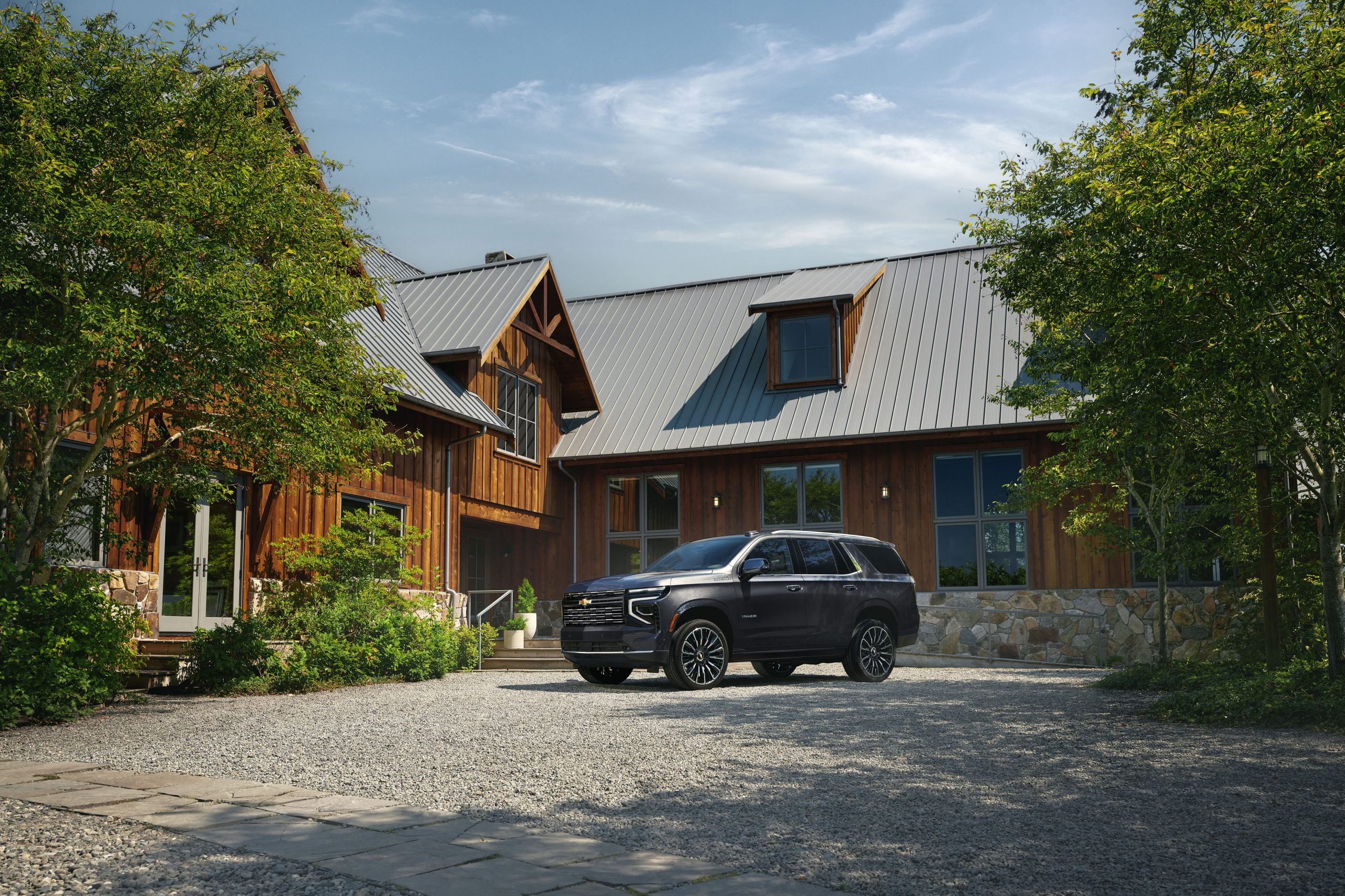
The Philly reality: narrow streets, packed schedules
Let’s name the constraints. Many neighborhoods are tight. Parking is often curbside. Winter dumps slush exactly where you need to turn. Summer construction shifts routes without warning. Your car needs to thread through this without becoming a stress machine. Comfort matters, but maneuverability matters more. If the vehicle is great on paper but clumsy on Lombard at 5 pm, you’ll feel it within a week.
Size and maneuverability: find the sweet spot
A three-row SUV sounds tempting, especially with growing kids and gear, but ask yourself where you’ll park it at 7 pm. Measure the length against your typical curb space. Try a U-turn on a familiar block during a test drive. For many families, a two-row SUV or a roomy compact crossover is the balance point: enough cargo for strollers and groceries, small enough to wedge into spots that sedan drivers eye nervously.
Steering feel matters more here than in the suburbs. You want a car that responds cleanly at low speeds. A tight turning radius, good camera coverage, and front and rear parking sensors turn parallel parking from a gamble into muscle memory.
Ground clearance and suspension: potholes, curbs, and school zones
Philadelphia’s road surface is a mood. Some days smooth, other days cratered. Low-slung sedans scrape more than you’d think, so moderate ground clearance is your friend. Not truck-high, just enough to avoid chewing the front lip on a steep driveway or plowing through post-storm puddles.
Suspension tuning is the quiet hero. A vehicle that absorbs bumps without floating is gold. Overly soft setups feel comfy at first, then wallow and slow your reactions. Too firm, and the kids complain before you hit South Street. Aim for controlled damping: stable on turns, forgiving over patchwork asphalt.
Fuel economy and powertrain: city-first thinking
Philadelphia is mostly stop-and-go. Highway stretches happen, but the daily loop is urban. Hybrids shine here, recovering energy during braking, sipping fuel in traffic. Plug-in hybrids make sense if you can charge at home or reliably at work, letting you run short city trips on electric, then take weekend drives without range anxiety.
Don’t overbuy power. You need predictable pull merging into traffic, not track speed. Focus on smooth throttle response and transmission behavior at low speeds. Some gearboxes hunt between ratios in city driving and it gets old quickly. During your test drive, creep through a busy block, roll-stop-roll, and feel how the car manages the micro-movements.
Safety and visibility: real-world coverage
Safety isn`t simply stars on a spec sheet, it`s how structures behave whilst a bike owner seems on the nook or a shipping van pops out of nowhere. Prioritize a extensive windshield view, narrow A-pillars, and facet mirrors that in reality display the lane. Cameras ought to be clean in horrific climate and at night, now no longer simply shiny in a brochure.
Driver-assist features help, but only if they’re tuned well. Adaptive cruise at 25 mph, lane keeping that doesn’t fight you on narrow lanes, blind spot monitoring with useful alerts. Test them in the city, not just on a sunny highway. And check rear seat ergonomics: real LATCH anchor access for child seats, enough door swing room, seat belt buckles that don’t disappear under booster seats.
Cost of ownership: the part you feel after the honeymoon
Sticker price is the opening line. The longer tale is insurance, maintenance, tires, brakes, and depreciation. Urban using eats tires faster, specifically if the auto is heavy or rides on low-profile rubber. Choose affordable wheel sizes, keep away from ultra-recreation tires for own circle of relatives duty, and your pockets will thank you.
Maintenance cadence matters. Some brands have longer service intervals and simpler parts availability. Hybrid systems often reduce brake wear in the city due to regenerative braking. If you’re juggling school, sports, and commute, fewer service visits equal fewer headaches. Ask for a total cost breakdown over three years and compare, apples to apples.
Interior pragmatism: the details you notice at 7 am
Cabin layout shows its true colors on a rushed weekday. You want doors that open wide, rear seats that fold quickly, a cargo floor that isn’t ridiculously high. If you carry a stroller, bring the actual stroller to the test. If you run carpools, sit three across in the back and let kids try the buckles. Small frustrations become big over time.
Storage matters. Not just a big trunk, but smart cubbies. A deep center console for the random snacks. Covered storage for things you don’t want to display on the street. USB ports for everyone or at least a fair plan. Wipe-friendly materials, especially if your co-pilot is three and loves applesauce.
Tech that helps, not distracts
Infotainment should be quick, not flashy for the sake of it. You want fast boot, consistent Bluetooth, CarPlay or Android Auto that reconnects without drama. Physical buttons for climate are a quiet win in the city. Voice commands that actually understand you when traffic noise is high are not a luxury, they’re sanity.
Navigation that knows Philly quirks is useful. Real-time rerouting around construction, sensible lane guidance, and camera feeds you can trust when backing toward a narrow alley. If the interface lags, you’ll notice it right when you need it most.

Test-drive checklist: city-first, family-first
H3 Low-speed handling Do a slow loop through a tight neighborhood. Check steering precision, brake feel at crawl speeds, and how the transmission behaves stop to stop.
H3 Parking reality Parallel park twice, one easy, one tight. Use cameras and sensors. Notice the visibility over the hood and out the rear glass.
H3 Ride and noise Go over patched asphalt and a rough block. Listen for rattles, test suspension control, and check cabin noise at 25 to 35 mph.
H3 Family fit Install a child seat, fold seats with one hand, test cargo with your actual gear. Try the seat belt buckles with kid hands, not just adult hands.
On balance: the Philly-friendly family car
If you boil all this down, the proper own circle of relatives vehicle for Philadelphia is nimble sufficient for tight streets, strong sufficient for choppy pavement, green in metropolis traffic, and calm withinside the chaos. It makes mornings smoother and evenings much less tiring. It`s the only that suits your curb, your calendar, your kids, and your preferred stretch of Kelly Drive while you ultimately get a second to breathe.When you find a candidate, don’t rush. Sit with it, drive it through your real routes, ask questions until the answers make sense. And if you want to compare trims or see how a hybrid feels in stop-and-go, drop by a trusted dealership in philadelphia and test it the way you’ll actually live with it. That’s how you pick a car that works for your family, not just your wishlist.
Article Last Updated: December 1, 2025.
- About the Author
- Latest Posts

Matthew Wilde is an automotive journalist with experience contributing to leading publications. He focuses on delivering clear, well-researched analysis of automotive industry news and vehicles. Growing up surrounded by a variety of cars, Matthew developed a strong foundation in automotive technology and design. His work emphasizes accuracy and depth, aimed at informing both enthusiasts and industry professionals with straightforward, precise reporting.