
For drivers who spend most of their day on the road, wheels are more than just a way to get from point A to point B. They’re the foundation of a business. Delivery drivers crisscrossing neighborhoods, rideshare operators shuttling passengers across town, and anyone else who depends on their vehicle for income knows that downtime is expensive. A flat tire or a blowout doesn’t just mean an inconvenience. It means lost earnings, frustrated customers, and scrambling to get back on the road.
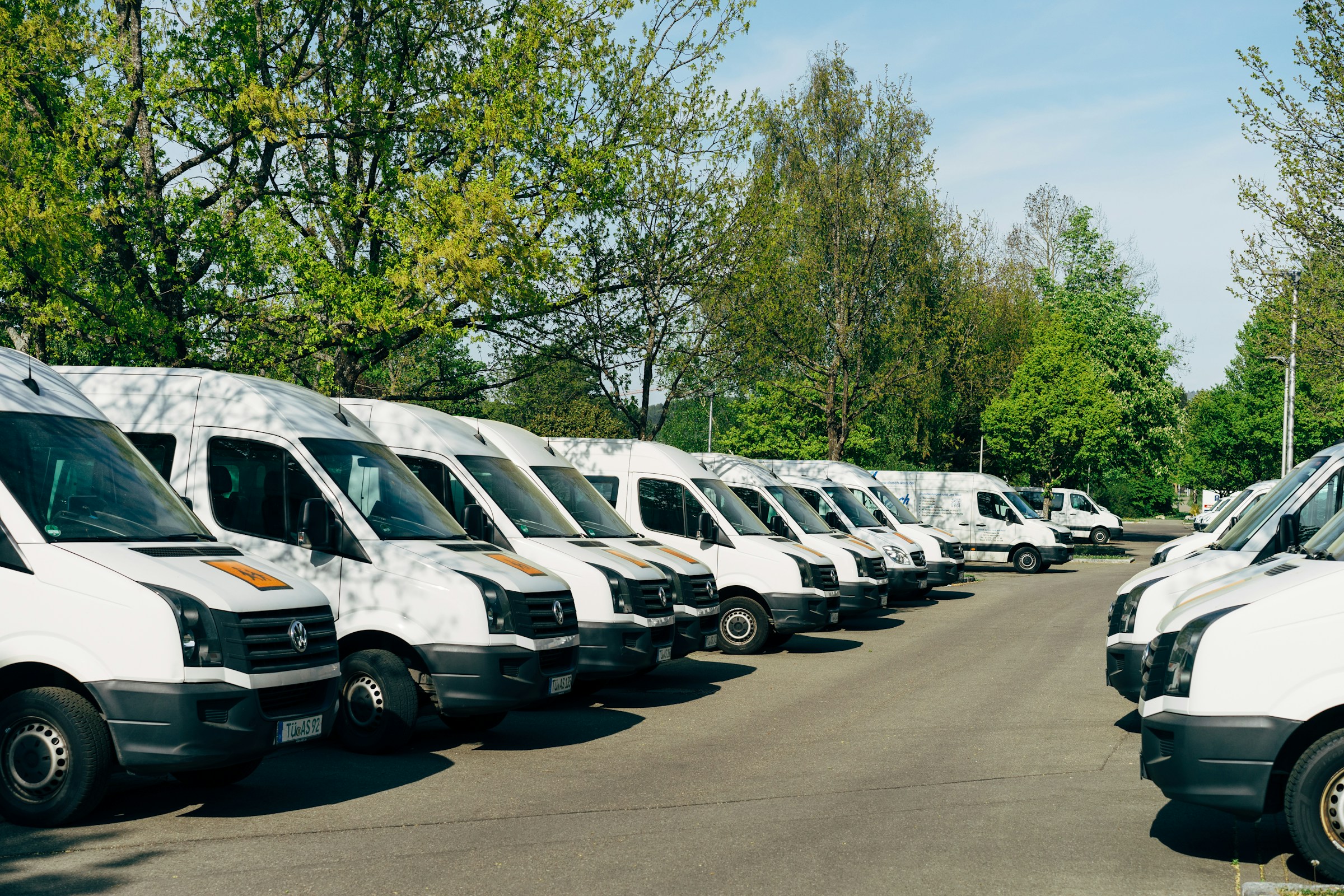
In Dayton, where winters bring ice and salt, summers mean heat and pothole season, and every season demands reliability, the condition and quality of rims and tires matter more than most drivers realize. Choosing the right setup can extend the life of a vehicle, improve fuel efficiency, and reduce the chance of getting stranded mid-shift.
Why Mobile Workers Need to Think Differently About Tires
Most car owners replace tires when the tread wears down or when a puncture becomes unavoidable. For someone driving 30,000 to 50,000 miles a year, that approach doesn’t cut it. High-mileage drivers face accelerated wear, more frequent exposure to road hazards, and greater consequences when something goes wrong.
Delivery drivers often navigate residential streets with speed bumps, gravel driveways, and construction zones. Rideshare drivers idle in traffic, make countless stops and starts, and carry varying loads depending on the number of passengers. Both groups need tires that can handle constant use without sacrificing performance or safety.
The right tires also affect fuel economy, which adds up fast when someone is filling the tank multiple times a week. Rolling resistance, tread design, and tire pressure all play a role in how efficiently a vehicle uses gas. Spending a little more upfront on quality tires can lead to noticeable savings over time.
All Season Tires vs. Winter Tires
Dayton’s weather patterns create a real decision point for drivers. Winters here aren’t as brutal as those farther north, but ice, snow, and freezing rain still happen. All-season tires are designed to handle a range of conditions, and for many drivers, they’re a practical year-round solution. They offer decent traction in light snow and perform well in dry and wet conditions.
However, drivers who work through the winter months and can’t afford to skip shifts during a snowstorm might benefit from dedicated winter tires. Winter tires use a softer rubber compound that stays flexible in cold temperatures, providing better grip on icy roads. The trade off is that they wear faster in warmer weather, so they need to be swapped out in the spring.
Some drivers keep a second set of rims with winter tires mounted and ready to go. This approach makes seasonal changes faster and protects the primary set from extra wear. It’s an added expense, but for someone who can’t risk being off the road during peak winter delivery season, it’s a worthwhile investment.
Rims: More Than Just Appearance
Rims often get overlooked in favor of tires, but they play an important role in durability and performance. Steel rims are heavier and less flashy than alloy rims, but they’re also tougher and more forgiving when it comes to potholes and curbs. For drivers who prioritize function over form, steel rims are a solid choice.
Alloy rims are lighter, which can improve handling and fuel efficiency slightly. They also tend to dissipate heat better, which helps with braking performance. The downside is that they’re more prone to cracking or bending if they take a hard hit. For rideshare drivers who want their vehicle to look clean and professional, alloy rims offer a better appearance without being too flashy.
Rust and corrosion are common issues in Dayton, especially during winter when road salt is everywhere. Steel rims are more susceptible to rust, though they can be treated or painted to slow the process. Alloy rims resist corrosion better, but they still need regular cleaning to avoid buildup that can affect balance and appearance.
Load Capacity and Heavy Use
Delivery drivers who haul packages all day need to pay attention to load ratings. Every tire has a maximum load capacity, and exceeding it can lead to premature wear, poor handling, and increased risk of a blowout. Drivers who regularly carry heavy loads should choose tires rated for higher weight, even if it means spending more.
Tire pressure is just as important as the tire itself. Underinflated tires create more rolling resistance, reduce fuel economy, and wear unevenly. Overinflated tires offer a harsher ride and are more likely to suffer damage from road debris. Checking pressure weekly is a simple habit that extends tire life and keeps handling predictable.
For rideshare drivers, load capacity might not seem like a big concern, but carrying three or four passengers plus luggage does add weight. Tires designed for standard passenger vehicles are usually fine, but it’s worth confirming that the tires match the vehicle’s specifications, especially for larger sedans or SUVs.
Tread Patterns and Road Conditions
Tread design affects how a tire grips the road, channels water, and handles different surfaces. Symmetrical tread patterns are the most common for all-season tires and work well for everyday driving. They’re quiet, long-lasting, and offer balanced performance in most conditions.
Asymmetrical tread patterns, often found on higher performance tires, provide better cornering and wet-weather handling. For rideshare drivers who want a smoother, more confident ride, these can be a good option. They tend to cost more and may wear faster, but the improved handling can make a difference in customer comfort and safety.
Directional tread patterns are designed to channel water away from the tire, reducing the risk of hydroplaning. Dayton sees its share of spring and summer storms, and roads can flood quickly in certain areas. For drivers who can’t afford to slow down or cancel trips because of rain, directional tires offer extra peace of mind.
Balancing Cost and Quality
Budget is a real consideration for drivers who are self-employed or working as independent contractors. Cheaper tires might seem like a smart way to save money, but they often wear out faster and offer less grip, especially in challenging conditions. The cost per mile ends up being higher in the long run.
Mid-range tires from reputable brands tend to offer the best balance of performance, longevity, and price. These tires are built to handle higher mileage and provide consistent performance without breaking the bank. For drivers putting on serious miles, investing in quality tires pays off in fewer replacements and better fuel economy.
Premium tires come with advanced materials, longer tread life warranties, and superior handling characteristics. For rideshare drivers who want to provide a top tier experience or delivery drivers who work in all weather conditions, premium tires can justify the extra cost. The key is to match the tire to the actual demands of the job, not just buy the most expensive option.
Maintenance Tips for High Mileage Drivers
Rotating tires every 5,000 to 7,000 miles helps them wear evenly and last longer. For drivers racking up miles quickly, this might mean rotating every few months instead of waiting for an annual service. Most tire shops offer free rotations if the tires were purchased there, making it an easy way to extend their life.
Alignment issues can destroy tires fast. If a vehicle pulls to one side, the steering wheel sits off center, or tires are wearing unevenly, it’s time for an alignment check. Hitting potholes, which are abundant in Dayton during freeze thaw cycles, can knock wheels out of alignment without any obvious warning signs.

Keeping rims clean, especially during winter, prevents salt and grime from causing long term damage. A quick rinse after a snowstorm or a trip through a salt heavy area takes only a few minutes and can add years to the life of both rims and tires.
Why the Right Setup Reduces Downtime
Downtime for a mobile worker is lost income. A flat tire during a busy lunch rush or a blowout on the highway during evening rideshare hours can mean missing out on peak earning periods. Reliable rims and tires Dayton Ohio reduce the likelihood of unexpected failures and keep drivers moving when it matters most.
Choosing quality components, maintaining them properly, and replacing them before they become a liability are all part of running a successful mobile business. The vehicle is the workspace, and keeping it in top shape is just as important as any other business investment.
Drivers who take the time to understand their options, match tires to their specific needs, and stay on top of maintenance are the ones who spend less time on the side of the road and more time earning. In a job where every mile counts, the wheels underneath make all the difference.
Article Last Updated: December 16, 2025.
- About the Author
- Latest Posts

Matthew Wilde is an automotive journalist with experience contributing to leading publications. He focuses on delivering clear, well-researched analysis of automotive industry news and vehicles. Growing up surrounded by a variety of cars, Matthew developed a strong foundation in automotive technology and design. His work emphasizes accuracy and depth, aimed at informing both enthusiasts and industry professionals with straightforward, precise reporting.